THE ADVENTURE COLLECTIVE® · Independent discovery and booking for outdoor travel

Visit Pamukkale’s surreal white travertines and the ruined spa city of Hierapolis on a guided day tour from Selçuk. Expect warm mineral pools, Roman ruins, and clear guidance on preserving this UNESCO site.
Visit Pamukkale’s surreal white travertines and the ruined spa city of Hierapolis on a guided day tour from Selçuk. Expect warm mineral pools, Roman ruins, and clear guidance on preserving this UNESCO site.
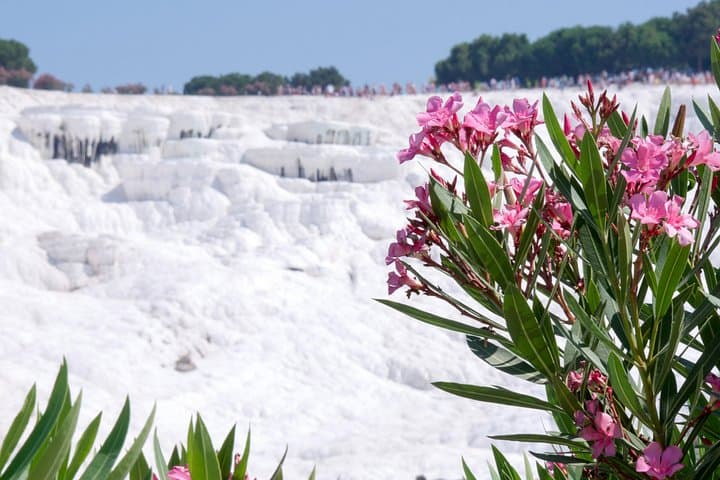
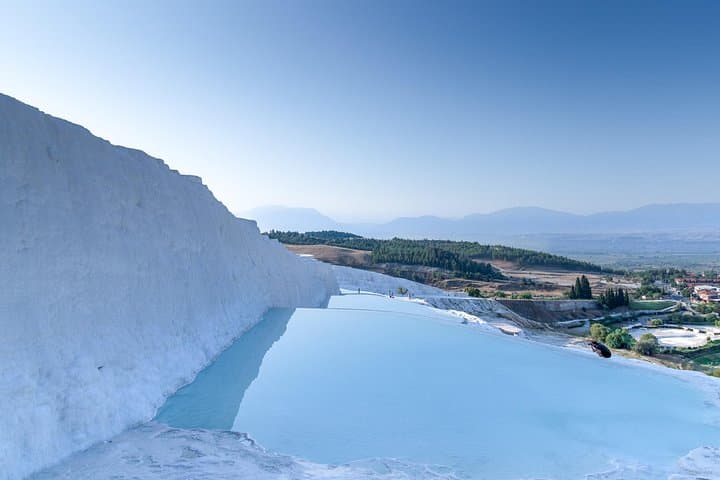
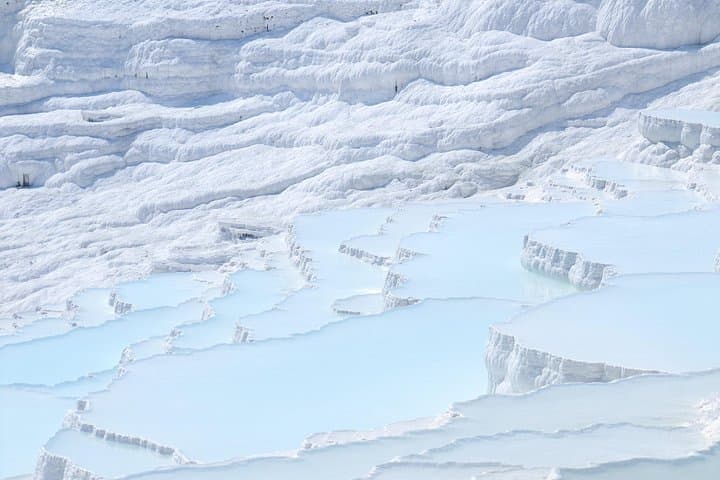
Morning light hits the brilliant white terraces before the buses arrive, and the calcified pools glow like frozen steam. On this day tour from Selçuk you trade Aegean coast roads for a landscape that feels engineered by geological time: terraced travertine cliffs, warm mineral pools, and the ruined bones of a Roman spa city.
Verified experiences and guided adventures in the surrounding area.
Operated by Alaturca Ephesus · Pamukkale, Denizli
Morning light hits the brilliant white terraces before the buses arrive, and the calcified pools glow like frozen steam. On this day tour from Selçuk you trade Aegean coast roads for a landscape that feels engineered by geological time: terraced travertine cliffs, warm mineral pools, and the ruined bones of a Roman spa city.
Pamukkale’s "cotton cliffs" are the result of millennia of calcium-rich thermal water depositing travertine as it cools. Above the terraces sit the ruins of Hierapolis, a Greco-Roman city founded around 190 BC as a healing center centered on thermal springs. Walk the marble main street to a second-century theater and the Apollo temple; read the layers of occupation in stone and stepped baths.
Culturally the area has long been a place of pilgrimage for the sick and curious; today UNESCO protection means strict visitor routes and rules to protect the fragile deposits. The terraces demand respectful movement—bare feet in designated pools, shoes left behind at entry points—and reward visitors with warm, shallow soaking basins and broad valley views.
Practical guidance: expect an 11-hour day with hotel pickup from Selçuk, moderate walking on uneven surfaces, and steps. Bring sun protection, a small towel, water, and shoes that are easy to remove. Timing matters—arrive early or late afternoon to avoid peak crowds and capture the terraces in the best light. Plan for on-site fees and follow signage; staying on paths keeps the formations intact and the experience unforgettable.
Yes—admission to Pamukkale-Hierapolis is managed on-site; many tours include or handle tickets, but check your booking details.
Swimming is allowed only in designated pools and areas; follow local rules and signs to protect formations and for safety.
The itinerary is generally suitable for most ages, but it involves uneven ground and steps; those with mobility or cardiovascular issues should consult the operator—pregnant travelers may be advised against strenuous sections.
Yes—the typical day tour includes guided stops at Hierapolis highlights such as the theater, main street, Apollo temple, and extended time at the travertine terraces.
Alaturca Ephesus operates guided outdoor trips and adventures with an emphasis on safety, stewardship, and memorable experiences.

Morning light hits the brilliant white terraces before the buses arrive, and the calcified pools glow like frozen steam. On this day tour from Selçuk you trade Aegean coast roads for a landscape that feels engineered by geological time: terraced travertine cliffs, warm mineral pools, and the ruined bones of a Roman spa city.
Morning light hits the brilliant white terraces before the buses arrive, and the calcified pools glow like frozen steam. On this day tour from Selçuk you trade Aegean coast roads for a landscape that feels engineered by geological time: terraced travertine cliffs, warm mineral pools, and the ruined bones of a Roman spa city.
Pamukkale’s "cotton cliffs" are the result of millennia of calcium-rich thermal water depositing travertine as it cools. Above the terraces sit the ruins of Hierapolis, a Greco-Roman city founded around 190 BC as a healing center centered on thermal springs. Walk the marble main street to a second-century theater and the Apollo temple; read the layers of occupation in stone and stepped baths.
Culturally the area has long been a place of pilgrimage for the sick and curious; today UNESCO protection means strict visitor routes and rules to protect the fragile deposits. The terraces demand respectful movement—bare feet in designated pools, shoes left behind at entry points—and reward visitors with warm, shallow soaking basins and broad valley views.
Practical guidance: expect an 11-hour day with hotel pickup from Selçuk, moderate walking on uneven surfaces, and steps. Bring sun protection, a small towel, water, and shoes that are easy to remove. Timing matters—arrive early or late afternoon to avoid peak crowds and capture the terraces in the best light. Plan for on-site fees and follow signage; staying on paths keeps the formations intact and the experience unforgettable.