THE ADVENTURE COLLECTIVE® · Independent discovery and booking for outdoor travel

Step into Abu Dhabi’s oldest stone building and trace 230 years of change from watchtower to national museum. Practical tips on timing, dress code, and what to expect inside the Inner Fort.
Step into Abu Dhabi’s oldest stone building and trace 230 years of change from watchtower to national museum. Practical tips on timing, dress code, and what to expect inside the Inner Fort.
You arrive at a weathered sandstone wall that has watched a fishing village become a capital. The watchtower at Qasr Al Hosn rises like a quiet sentry above a courtyard where wind and sun have polished flags and flagstones alike.
Verified experiences and guided adventures in the surrounding area.
Operated by Sougat Travel & Tourism LLC · Abu Dhabi, Abu Dhabi
You arrive at a weathered sandstone wall that has watched a fishing village become a capital. The watchtower at Qasr Al Hosn rises like a quiet sentry above a courtyard where wind and sun have polished flags and flagstones alike.
Step inside and the building slows time: low-lit galleries, carved doorways, and the Inner Fort (c.1795) that once guarded a freshwater well. The outer palace added in the 1940s introduces later domestic life and the Al Nahyan ruling family’s signatures—maps, weapons, and photographs that chart social change from pearl-diving settlements to oil-era city planning.
Geologically, the fort’s sandstone speaks to coastal sediment and centuries of sun and salt that give its walls a warm, granular texture; culturally, the compound frames Abu Dhabi’s shift from tribal port to national capital. Expect exhibits that reach back to artifacts dated near 6000 BC alongside contemporary installations that interpret identity and nation-building.
Practical guidance: allow 2–3 hours for a measured visit—longer if you join a guided tour or stop for the temporary exhibitions. Respect conservative dress inside the museum, carry water (the Gulf sun will press on you), and plan winter or early-morning visits to avoid peak heat. Public transport and short taxis make the site easy to reach from central Abu Dhabi; combine a visit with the nearby Corniche or the Heritage Village for a fuller day.
The museum prioritizes preservation: follow signs, avoid flash photography on sensitive artifacts, and use provided walkways to protect the site’s fabric. Qasr Al Hosn is both archive and stage—where stones keep score of a city’s rapid transformation.
Allocate 2–3 hours to see the Inner Fort, Outer Palace, and main exhibits; guided tours may extend this.
Yes—Qasr Al Hosn provides accessible routes and facilities, though some historic staircases have limited access; inquire at entry.
Photography is generally allowed in public areas but flash and tripod use may be restricted near sensitive artifacts—follow posted signs.
Visitors are asked to dress conservatively while inside museum buildings—shoulders and knees should be covered.
Sougat Travel & Tourism LLC operates guided outdoor trips and adventures with an emphasis on safety, stewardship, and memorable experiences.
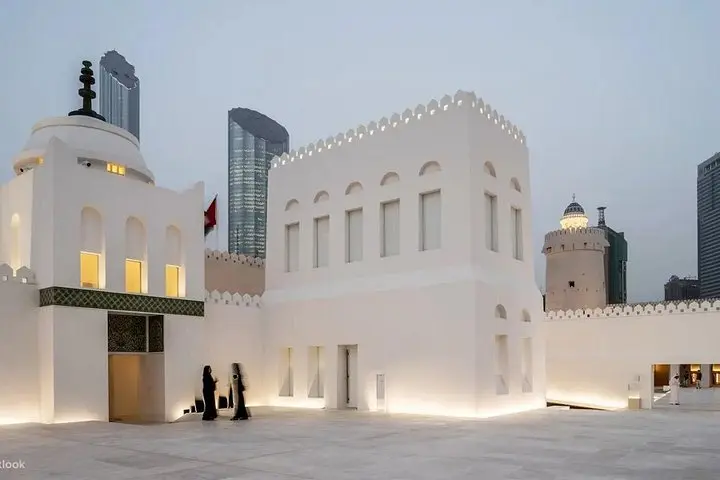
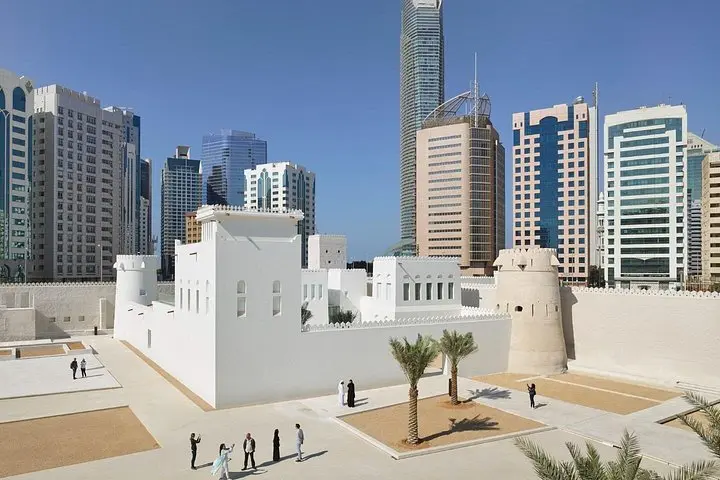
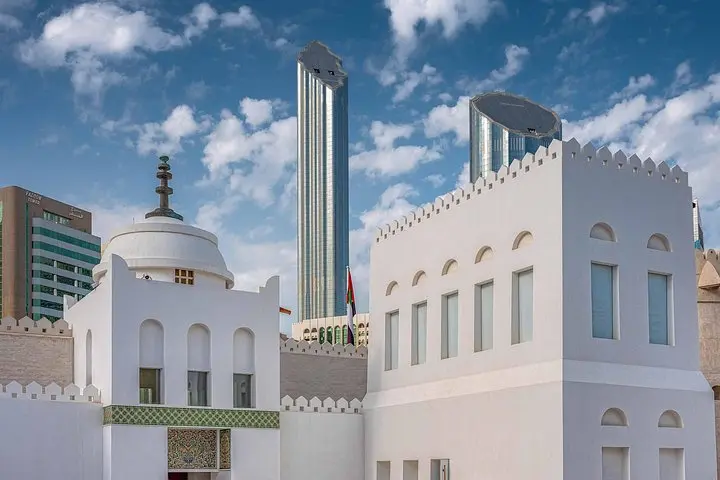
You arrive at a weathered sandstone wall that has watched a fishing village become a capital. The watchtower at Qasr Al Hosn rises like a quiet sentry above a courtyard where wind and sun have polished flags and flagstones alike.
You arrive at a weathered sandstone wall that has watched a fishing village become a capital. The watchtower at Qasr Al Hosn rises like a quiet sentry above a courtyard where wind and sun have polished flags and flagstones alike.
Step inside and the building slows time: low-lit galleries, carved doorways, and the Inner Fort (c.1795) that once guarded a freshwater well. The outer palace added in the 1940s introduces later domestic life and the Al Nahyan ruling family’s signatures—maps, weapons, and photographs that chart social change from pearl-diving settlements to oil-era city planning.
Geologically, the fort’s sandstone speaks to coastal sediment and centuries of sun and salt that give its walls a warm, granular texture; culturally, the compound frames Abu Dhabi’s shift from tribal port to national capital. Expect exhibits that reach back to artifacts dated near 6000 BC alongside contemporary installations that interpret identity and nation-building.
Practical guidance: allow 2–3 hours for a measured visit—longer if you join a guided tour or stop for the temporary exhibitions. Respect conservative dress inside the museum, carry water (the Gulf sun will press on you), and plan winter or early-morning visits to avoid peak heat. Public transport and short taxis make the site easy to reach from central Abu Dhabi; combine a visit with the nearby Corniche or the Heritage Village for a fuller day.
The museum prioritizes preservation: follow signs, avoid flash photography on sensitive artifacts, and use provided walkways to protect the site’s fabric. Qasr Al Hosn is both archive and stage—where stones keep score of a city’s rapid transformation.