THE ADVENTURE COLLECTIVE® · Independent discovery and booking for outdoor travel

Stroll the royal palms, watch toucans in the canopy and explore the historic Orquidário on a 3.5-hour guided tour of Rio’s Jardim Botânico. Practical tips on timing, footwear and what to look for inside this UNESCO biosphere reserve.
Stroll the royal palms, watch toucans in the canopy and explore the historic Orquidário on a 3.5-hour guided tour of Rio’s Jardim Botânico. Practical tips on timing, footwear and what to look for inside this UNESCO biosphere reserve.
The path opens under a straight parade of royal palms; humidity lifts from the lake and the city’s noise slips away. On this guided walk through Jardim Botânico you move from sunlit avenues to shaded groves, watching toucans flit and small monkeys inspect your shoes as the Corcovado massif watches from above.
Verified experiences and guided adventures in the surrounding area.
Operated by Gray Line Brazil · Rio de Janeiro, Rio de Janeiro
The path opens under a straight parade of royal palms; humidity lifts from the lake and the city’s noise slips away. On this guided walk through Jardim Botânico you move from sunlit avenues to shaded groves, watching toucans flit and small monkeys inspect your shoes as the Corcovado massif watches from above.
Founded in 1808 by King John VI, the garden began as a royal nursery and evolved into a 140-hectare research hub and UNESCO biosphere reserve. Geologically the park sits on the slopes below Corcovado, where rich, weathered soils support an extraordinary mix of Atlantic Forest species and transplanted exotics—Victorian-era specimens rub shoulders with native palms and orchids in the Orquidário.
Culturally the garden has long been a meeting place for botanists, artists, and Cariocas seeking shade: marble sculptures and small monuments punctuate paths, and the research institute conducts conservation programs that protect rare Atlantic Forest plants.
Practical guidance: the guided program runs about 3.5 hours with time to explore independently afterward. Wear comfortable walking shoes for packed earth paths and boardwalks; bring sun protection and a refillable water bottle—vendors are limited inside. Early morning visits reward you with cooler temperatures and more active birdlife; afternoons can be hot and prone to pop-up showers. Strollers and public transport access are available, and the tour includes hotel pickup in many options. Stick to paths to protect sensitive plantings, and keep cameras ready: the garden offers intimate encounters with Brazil’s plant diversity without leaving the city.
The scheduled program lasts about 3.5 hours, including guided sections and time to wander independently afterward.
Admission fees to the Botanical Garden are included with this tour as noted in the itinerary.
Yes; main avenues and many paths are stroller-accessible, though some trails have steps or uneven ground.
Yes; the garden is well served by buses and the area is accessible by taxi or rideshare from central Rio neighborhoods.
Gray Line Brazil operates guided outdoor trips and adventures with an emphasis on safety, stewardship, and memorable experiences.
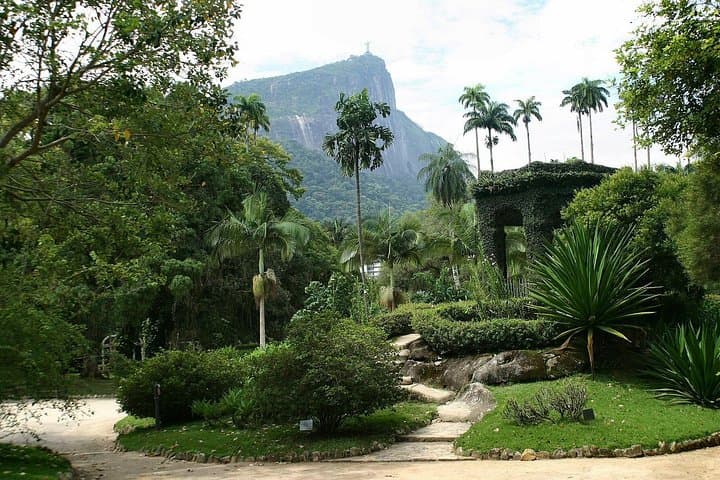
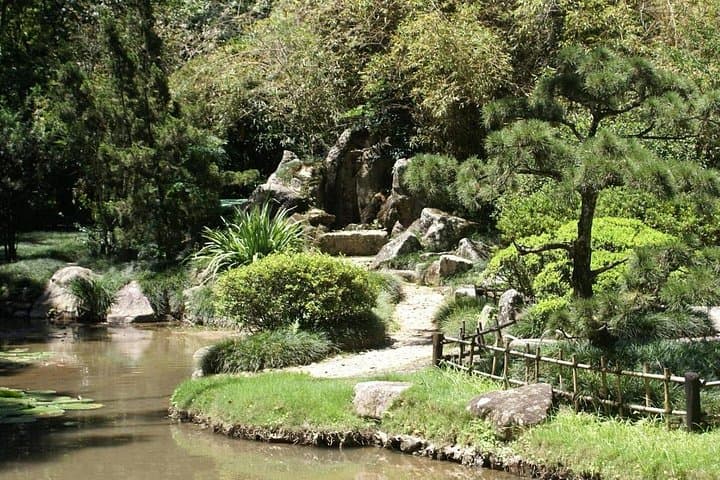
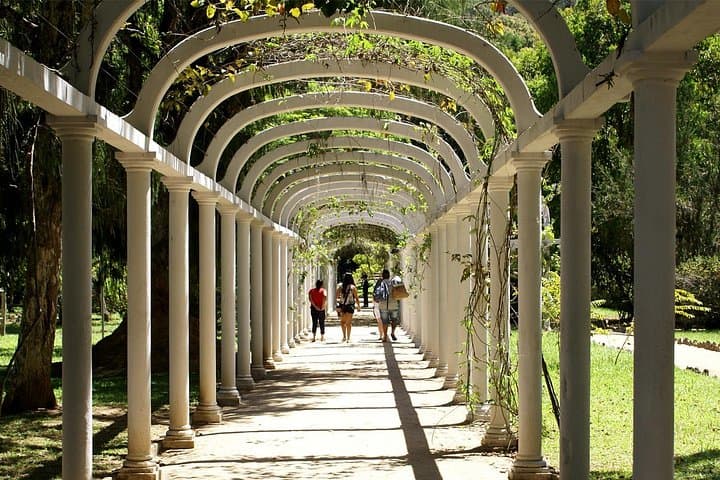
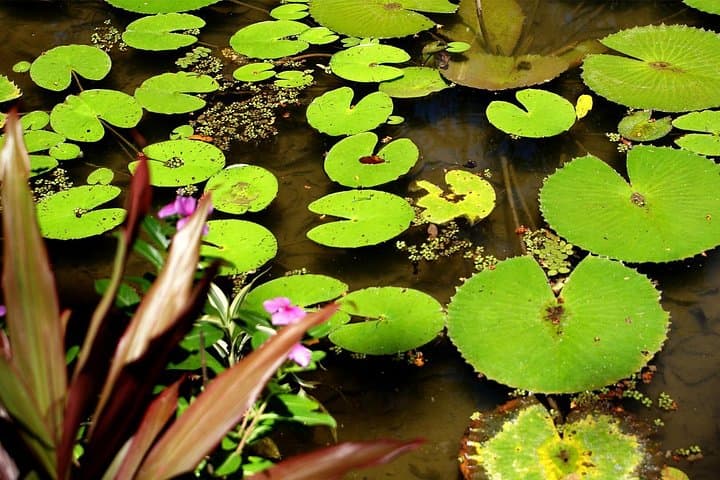
The path opens under a straight parade of royal palms; humidity lifts from the lake and the city’s noise slips away. On this guided walk through Jardim Botânico you move from sunlit avenues to shaded groves, watching toucans flit and small monkeys inspect your shoes as the Corcovado massif watches from above.
The path opens under a straight parade of royal palms; humidity lifts from the lake and the city’s noise slips away. On this guided walk through Jardim Botânico you move from sunlit avenues to shaded groves, watching toucans flit and small monkeys inspect your shoes as the Corcovado massif watches from above.
Founded in 1808 by King John VI, the garden began as a royal nursery and evolved into a 140-hectare research hub and UNESCO biosphere reserve. Geologically the park sits on the slopes below Corcovado, where rich, weathered soils support an extraordinary mix of Atlantic Forest species and transplanted exotics—Victorian-era specimens rub shoulders with native palms and orchids in the Orquidário.
Culturally the garden has long been a meeting place for botanists, artists, and Cariocas seeking shade: marble sculptures and small monuments punctuate paths, and the research institute conducts conservation programs that protect rare Atlantic Forest plants.
Practical guidance: the guided program runs about 3.5 hours with time to explore independently afterward. Wear comfortable walking shoes for packed earth paths and boardwalks; bring sun protection and a refillable water bottle—vendors are limited inside. Early morning visits reward you with cooler temperatures and more active birdlife; afternoons can be hot and prone to pop-up showers. Strollers and public transport access are available, and the tour includes hotel pickup in many options. Stick to paths to protect sensitive plantings, and keep cameras ready: the garden offers intimate encounters with Brazil’s plant diversity without leaving the city.