THE ADVENTURE COLLECTIVE® · Independent discovery and booking for outdoor travel

Discover the ancient Kalawewa National Park with a guided 4WD safari through monumental reservoirs and a thriving population of tusker elephants. Experience Sri Lanka’s blend of history, culture, and wildlife in an immersive half-day adventure.
Discover the ancient Kalawewa National Park with a guided 4WD safari through monumental reservoirs and a thriving population of tusker elephants. Experience Sri Lanka’s blend of history, culture, and wildlife in an immersive half-day adventure.
Rising with the dawn near Sri Lanka’s Anuradhapura, the vast terrain of Kalawewa National Park awakens under a persistent sun. The region’s lifeblood, the massive Kala Wewa and Balalu Wewa reservoirs, laid down by King Dhatusena in the 5th century BC, shimmer quietly among sprawling plains and dense clumps of Kumbuk trees. This 6,000-hectare sanctuary invites travelers on a distinct 4-hour 4WD journey that blends history, wildlife, and landscape into a compelling safari experience.
Verified experiences and guided adventures in the surrounding area.
Operated by Travceylon Leisure · Anuradhapura
Rising with the dawn near Sri Lanka’s Anuradhapura, the vast terrain of Kalawewa National Park awakens under a persistent sun. The region’s lifeblood, the massive Kala Wewa and Balalu Wewa reservoirs, laid down by King Dhatusena in the 5th century BC, shimmer quietly among sprawling plains and dense clumps of Kumbuk trees. This 6,000-hectare sanctuary invites travelers on a distinct 4-hour 4WD journey that blends history, wildlife, and landscape into a compelling safari experience.
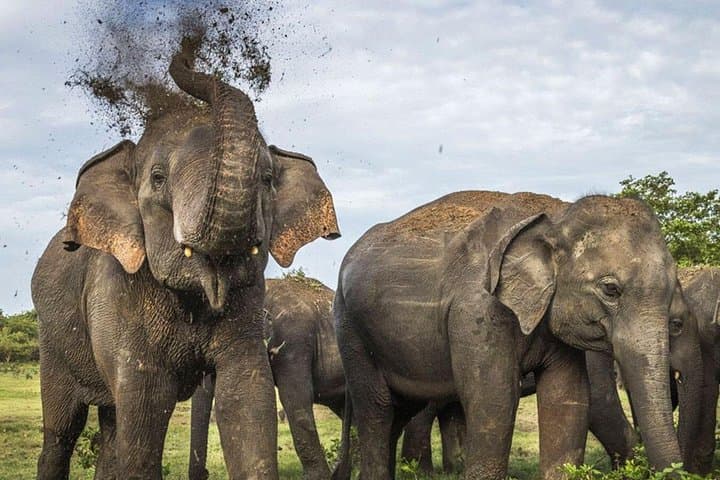
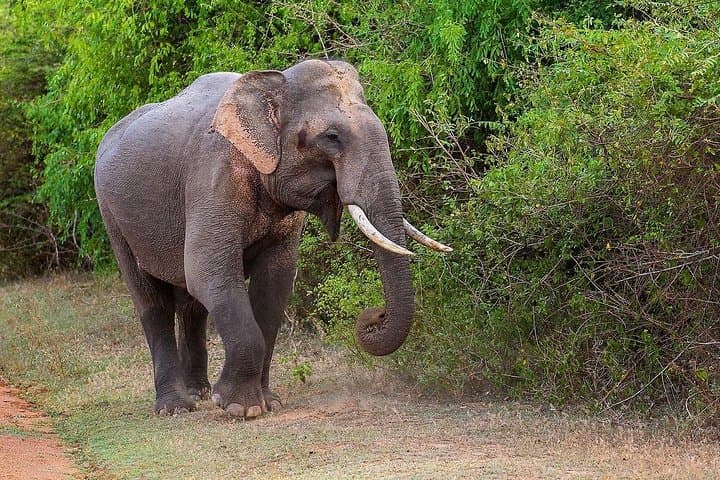
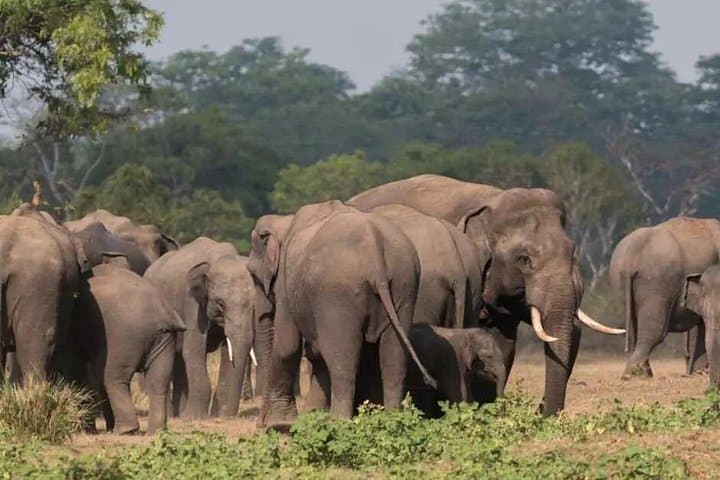
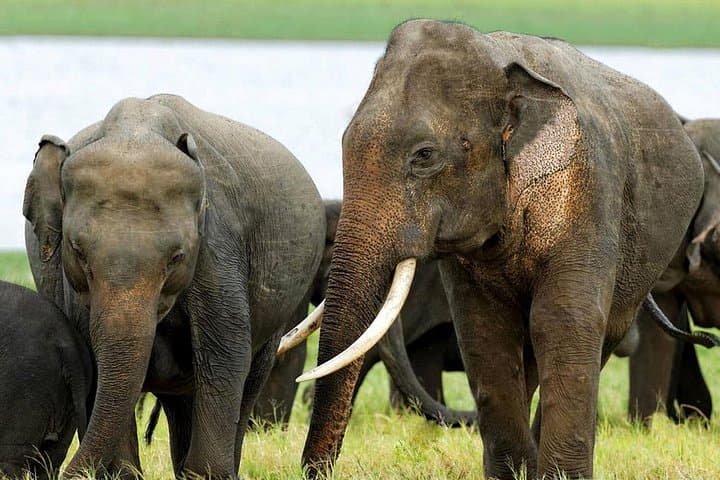
Beyond its engineered waterways and archaeological landmarks, Kalawewa is prized for its thriving population of tusker elephants. Male elephants featuring large tusks account for just seven percent of the population nationwide, yet here, their presence is notably dense. These majestic tuskers roam in protective herds or migrate seasonally through the park’s mosaics of scrubland and woodlands, often visible from the comfort of specially modified safari jeeps.
A towering 45-foot Avukana Buddha statue, carved during the same epoch as the reservoirs, stands as a sentinel watching over the land’s layered past. The park’s cultural context enriches the safari, weaving a tale of ancient ingenuity and coexistence with nature. Wide flocks of open-billed storks frequently punctuate the skyline, navigating thermal currents that challenge any onlooker to keep pace.
The park’s terrain is predominantly flat but interspersed with wetland patches, creating varied habitats for its wildlife. The Kumbuk tree stands as a natural monument here, stretching broad limbs that frame the ever-watchful eyes of the safari’s naturalist guide. Their expertise adds depth to the voyage, highlighting behavioral insights into the park’s signature tuskers and other residents.
Visitors should prepare for a comfortable yet rugged adventure: lightweight layers for sun protection, sturdy footwear suitable for uneven ground near waterholes, and ample hydration given Sri Lanka's tropical climate. Morning departures offer cooler, more active wildlife encounters, while afternoon excursions reveal fiery sunset backdrops to the reservoir surfaces.
Transfers from Anuradhapura hotels streamline access, with free pickup within 5 km of the park entrance. Travel with a small group capped at six passengers per jeep, ensuring an intimate connection to the environment. The park restricts visitors with spinal issues or cardiovascular concerns due to bumpy terrain, emphasizing safety.
Exploring Kalawewa is more than a safari—it’s a passage through time and terrain where human history and wild majesty pulse together, daring you to witness the rare tusker elephant in its prime habitat.
Yes, children can join the safari but must be supervised at all times. The ride can be bumpy, so it’s best for kids comfortable with off-road vehicle travel.
Along with tusker elephants, visitors often see open-billed storks, spotted deer, monkeys, and various waterbirds around the reservoirs.
No, meals are not included. It’s recommended to eat beforehand or bring snacks and water for the duration.
Yes, each safari jeep accommodates up to six passengers, allowing semi-private or private arrangements upon request.
The dry season from May to September offers easier access and better wildlife visibility, though the park is open year-round.
Restroom facilities are available near the park entrance but limited within the park itself, so plan accordingly.
Travceylon Leisure operates guided outdoor trips and adventures with an emphasis on safety, stewardship, and memorable experiences.
Rising with the dawn near Sri Lanka’s Anuradhapura, the vast terrain of Kalawewa National Park awakens under a persistent sun. The region’s lifeblood, the massive Kala Wewa and Balalu Wewa reservoirs, laid down by King Dhatusena in the 5th century BC, shimmer quietly among sprawling plains and dense clumps of Kumbuk trees. This 6,000-hectare sanctuary invites travelers on a distinct 4-hour 4WD journey that blends history, wildlife, and landscape into a compelling safari experience.
Rising with the dawn near Sri Lanka’s Anuradhapura, the vast terrain of Kalawewa National Park awakens under a persistent sun. The region’s lifeblood, the massive Kala Wewa and Balalu Wewa reservoirs, laid down by King Dhatusena in the 5th century BC, shimmer quietly among sprawling plains and dense clumps of Kumbuk trees. This 6,000-hectare sanctuary invites travelers on a distinct 4-hour 4WD journey that blends history, wildlife, and landscape into a compelling safari experience.
Beyond its engineered waterways and archaeological landmarks, Kalawewa is prized for its thriving population of tusker elephants. Male elephants featuring large tusks account for just seven percent of the population nationwide, yet here, their presence is notably dense. These majestic tuskers roam in protective herds or migrate seasonally through the park’s mosaics of scrubland and woodlands, often visible from the comfort of specially modified safari jeeps.
A towering 45-foot Avukana Buddha statue, carved during the same epoch as the reservoirs, stands as a sentinel watching over the land’s layered past. The park’s cultural context enriches the safari, weaving a tale of ancient ingenuity and coexistence with nature. Wide flocks of open-billed storks frequently punctuate the skyline, navigating thermal currents that challenge any onlooker to keep pace.
The park’s terrain is predominantly flat but interspersed with wetland patches, creating varied habitats for its wildlife. The Kumbuk tree stands as a natural monument here, stretching broad limbs that frame the ever-watchful eyes of the safari’s naturalist guide. Their expertise adds depth to the voyage, highlighting behavioral insights into the park’s signature tuskers and other residents.
Visitors should prepare for a comfortable yet rugged adventure: lightweight layers for sun protection, sturdy footwear suitable for uneven ground near waterholes, and ample hydration given Sri Lanka's tropical climate. Morning departures offer cooler, more active wildlife encounters, while afternoon excursions reveal fiery sunset backdrops to the reservoir surfaces.
Transfers from Anuradhapura hotels streamline access, with free pickup within 5 km of the park entrance. Travel with a small group capped at six passengers per jeep, ensuring an intimate connection to the environment. The park restricts visitors with spinal issues or cardiovascular concerns due to bumpy terrain, emphasizing safety.
Exploring Kalawewa is more than a safari—it’s a passage through time and terrain where human history and wild majesty pulse together, daring you to witness the rare tusker elephant in its prime habitat.