THE ADVENTURE COLLECTIVE® · Independent discovery and booking for outdoor travel

A two-day journey from Panajachel to Tak’alik Ab’aj pairs a focused archaeological walk through Olmec and early Maya monuments with an overnight near the ruins and a restorative soak in nearby hot springs. Expect guided interpretation, dirt trails with stone platforms, and a window into one of Mesoamerica’s earliest hybrid cultures.
A two-day journey from Panajachel to Tak’alik Ab’aj pairs a focused archaeological walk through Olmec and early Maya monuments with an overnight near the ruins and a restorative soak in nearby hot springs. Expect guided interpretation, dirt trails with stone platforms, and a window into one of Mesoamerica’s earliest hybrid cultures.
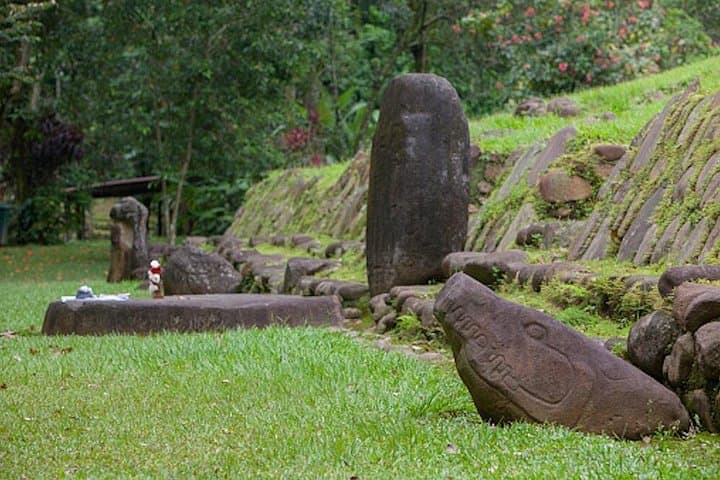
The bus eases away from the bright wake of Lake Atitlán and the air warms as the road drops toward Guatemala’s Pacific coastal plain. By afternoon you stand under a canopy of ceiba and tropical hardwoods, the ground underfoot a mixture of packed earth and ancient stone—this is Tak’alik Ab’aj, a place where Olmec faces stare down from low platforms and the first Maya glyphs begin to whisper. Over two days the site reveals itself in stages: a guided three-hour circuit through plazas and sculptured monuments on day one, and a slow morning at natural hot springs on day two that feels like a ritual closing.
Verified experiences and guided adventures in the surrounding area.
Operated by Los Elementos Adventure Center & Day Spa · El Asintal, Retalhuleu
The bus eases away from the bright wake of Lake Atitlán and the air warms as the road drops toward Guatemala’s Pacific coastal plain. By afternoon you stand under a canopy of ceiba and tropical hardwoods, the ground underfoot a mixture of packed earth and ancient stone—this is Tak’alik Ab’aj, a place where Olmec faces stare down from low platforms and the first Maya glyphs begin to whisper. Over two days the site reveals itself in stages: a guided three-hour circuit through plazas and sculptured monuments on day one, and a slow morning at natural hot springs on day two that feels like a ritual closing.
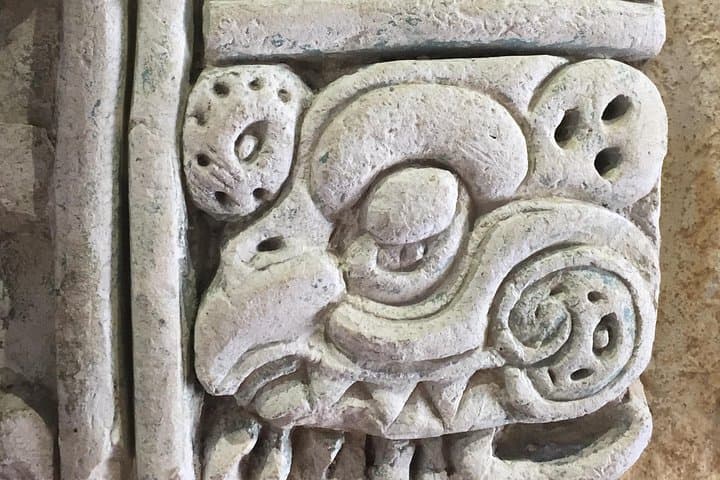
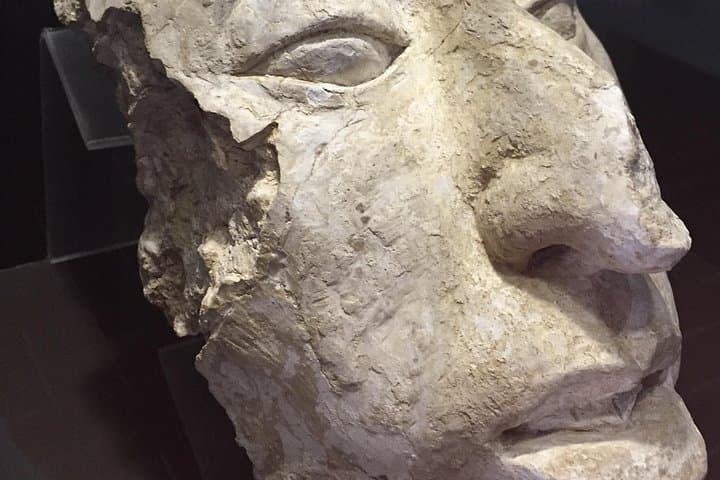
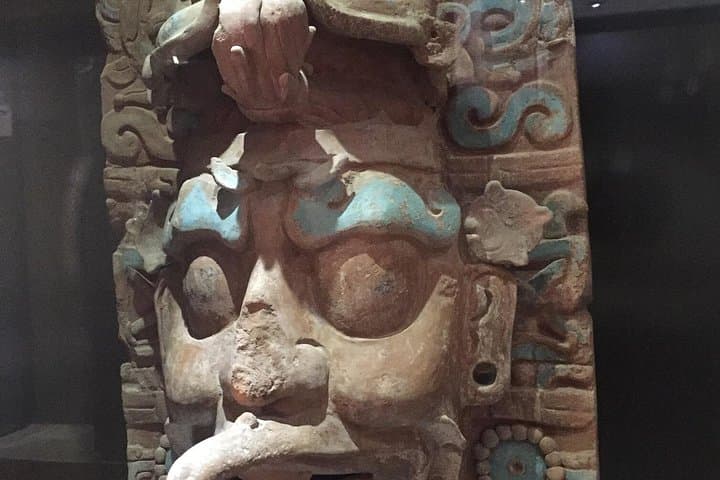
Tak’alik Ab’aj is unusual in Mesoamerica: it shows a clear Olmec influence—colossal heads and curved-mouth motifs—alongside early Maya architecture and glyphic inscriptions. The site thrived from roughly the 9th century BCE through the 10th century CE and functioned as a cultural crossroads on trade routes between the highlands and the Pacific lowlands. Geologically, the terrain sits on volcanic soils shed from nearby highlands; erosion and human engineering produced a sophisticated drainage system still visible in terraces and channels.
Local life around Tak’alik Ab’aj is quiet and agricultural; families grow coffee and tropical fruits in the nearby valleys, and small communities maintain the trails to the ruins. Guides from the region bring context: pointing out iconography that signals trade, ritual use of water, and the hybrid styles that mark a city in motion. An overnight near the site keeps travel practical—expect simple, clean accommodation rather than luxury—and the second-day stop at hot springs offers a restorative soak in mineral waters popular with locals.
Practicalities: the tour runs two days with about 3 hours of guided walking at the ruins (roughly 2–3 km of walking across uneven terrain, minimal elevation gain but some stepped platforms). Travel time from Panajachel is substantial—plan on a full morning on the road (3–4 hours one way depending on traffic and pickup logistics). Trails are mostly dirt with areas of loose stone and constructed steps; bring supportive footwear and a small daypack. Weather follows the regional pattern: dry season (Nov–Apr) is easier for site visits, while the wet season (May–Oct) brings afternoon showers and muddier paths.
Tips for planning: book private transfers or check pickup points in Panajachel, bring cash for small purchases and museum fees if not included, and plan for early starts to avoid both heat and squalls. Respect the ruins—no climbing on sculptures—and let the place do the talking: Tak’alik Ab’aj rewards slow attention, where a carved face or a channel cut into bedrock can shift how you see ancient exchange across Mesoamerica.
The guided circuit at the ruins is about three hours and covers roughly 2–3 km of walking across terraces, plazas, and carved monuments.
The tour is rated physically easy to moderate; short stone steps and uneven ground may be challenging for those with limited mobility—contact the operator about accessibility options.
The itinerary notes admission and overnight accommodation are included; confirm specifics and any local museum fees when booking.
Expect roughly 3–4 hours road travel each way depending on traffic and pickup locations—this is a full-day commitment on travel days.
Bring small bills in Guatemalan quetzales for market purchases, tips, and any incidental fees; many small vendors do not accept cards.
The hot springs stop is part of the two-day itinerary but operators sometimes allow day visitors depending on logistics—check in advance and ask about single-day options.
Los Elementos Adventure Center & Day Spa operates guided outdoor trips and adventures with an emphasis on safety, stewardship, and memorable experiences.
The bus eases away from the bright wake of Lake Atitlán and the air warms as the road drops toward Guatemala’s Pacific coastal plain. By afternoon you stand under a canopy of ceiba and tropical hardwoods, the ground underfoot a mixture of packed earth and ancient stone—this is Tak’alik Ab’aj, a place where Olmec faces stare down from low platforms and the first Maya glyphs begin to whisper. Over two days the site reveals itself in stages: a guided three-hour circuit through plazas and sculptured monuments on day one, and a slow morning at natural hot springs on day two that feels like a ritual closing.
The bus eases away from the bright wake of Lake Atitlán and the air warms as the road drops toward Guatemala’s Pacific coastal plain. By afternoon you stand under a canopy of ceiba and tropical hardwoods, the ground underfoot a mixture of packed earth and ancient stone—this is Tak’alik Ab’aj, a place where Olmec faces stare down from low platforms and the first Maya glyphs begin to whisper. Over two days the site reveals itself in stages: a guided three-hour circuit through plazas and sculptured monuments on day one, and a slow morning at natural hot springs on day two that feels like a ritual closing.
Tak’alik Ab’aj is unusual in Mesoamerica: it shows a clear Olmec influence—colossal heads and curved-mouth motifs—alongside early Maya architecture and glyphic inscriptions. The site thrived from roughly the 9th century BCE through the 10th century CE and functioned as a cultural crossroads on trade routes between the highlands and the Pacific lowlands. Geologically, the terrain sits on volcanic soils shed from nearby highlands; erosion and human engineering produced a sophisticated drainage system still visible in terraces and channels.
Local life around Tak’alik Ab’aj is quiet and agricultural; families grow coffee and tropical fruits in the nearby valleys, and small communities maintain the trails to the ruins. Guides from the region bring context: pointing out iconography that signals trade, ritual use of water, and the hybrid styles that mark a city in motion. An overnight near the site keeps travel practical—expect simple, clean accommodation rather than luxury—and the second-day stop at hot springs offers a restorative soak in mineral waters popular with locals.
Practicalities: the tour runs two days with about 3 hours of guided walking at the ruins (roughly 2–3 km of walking across uneven terrain, minimal elevation gain but some stepped platforms). Travel time from Panajachel is substantial—plan on a full morning on the road (3–4 hours one way depending on traffic and pickup logistics). Trails are mostly dirt with areas of loose stone and constructed steps; bring supportive footwear and a small daypack. Weather follows the regional pattern: dry season (Nov–Apr) is easier for site visits, while the wet season (May–Oct) brings afternoon showers and muddier paths.
Tips for planning: book private transfers or check pickup points in Panajachel, bring cash for small purchases and museum fees if not included, and plan for early starts to avoid both heat and squalls. Respect the ruins—no climbing on sculptures—and let the place do the talking: Tak’alik Ab’aj rewards slow attention, where a carved face or a channel cut into bedrock can shift how you see ancient exchange across Mesoamerica.