THE ADVENTURE COLLECTIVE® · Independent discovery and booking for outdoor travel

Descend into the 2004 lava tunnels of Piton de la Fournaise on a guided, small-group volcanic caving tour. Experience sculpted basalt passages, learn volcanic processes from local guides, and move carefully through a rare underground landscape.
Descend into the 2004 lava tunnels of Piton de la Fournaise on a guided, small-group volcanic caving tour. Experience sculpted basalt passages, learn volcanic processes from local guides, and move carefully through a rare underground landscape.
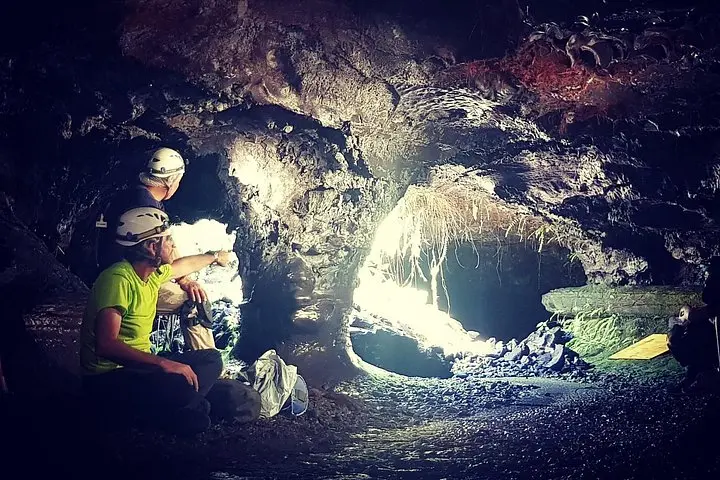
The guide leads a small group across black ropey pahoehoe, the cooled lava cracking softly underfoot as the low sun washes the slope in stark relief. Fifteen minutes of this alien plain brings you to the throat of a tunnel formed during the 2004 eruption — a dark corridor where the volcano still tells stories in stone.
Verified experiences and guided adventures in the surrounding area.
Operated by Tunnel de lave: reunionmeretmontagne · Bourg-Murat, Réunion
The guide leads a small group across black ropey pahoehoe, the cooled lava cracking softly underfoot as the low sun washes the slope in stark relief. Fifteen minutes of this alien plain brings you to the throat of a tunnel formed during the 2004 eruption — a dark corridor where the volcano still tells stories in stone.
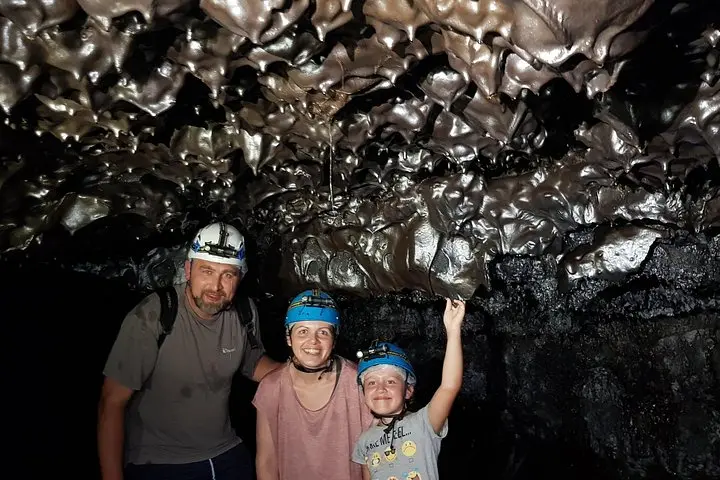
These lava tubes are part of Piton de la Fournaise, one of the most active shield volcanoes in the world. When molten rivers flowed in 2004 they left buried highways—ceilings glazed like melted chocolate, benches of folded basalt and columns that seem to watch as you pass. Locals regard the site with scientific pride; Reunion’s volcanologists study it to understand channelized eruptions and terrain evolution on ocean islands.
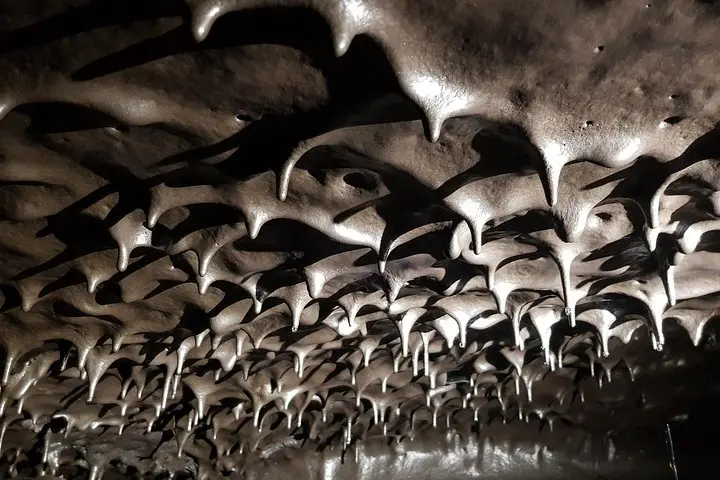
Inside, guides point out features with practical detail: stalactites of drip-formed lava, tube floors smoothed by past flows, and nicknames locals gave to formations—"dodo" or "shark"—that help visitors read the cave quickly. The tunnel is compact—expect standing, occasional crouching and slow, deliberate scrambling through anthracite passageways.
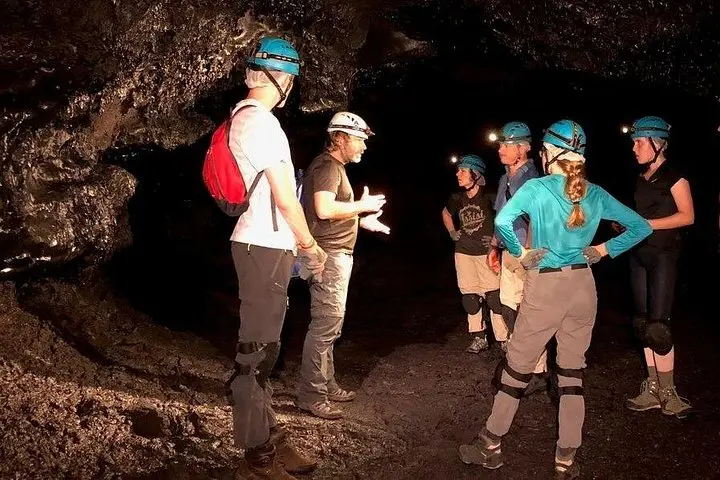
Practically, the experience is a half-day commitment: arrive with sturdy footwear, layers for the cooler underground air and at least one liter of water. Helmets, knee pads, gloves and headlamps are provided, and guides pace groups for safety and interpretation. The route is accessible to fit travelers comfortable in confined spaces, though it’s not recommended for people with heart issues or pregnancy. End your visit with a view back up the slope at Piton de la Fournaise; the mountain’s bulk seems to breathe, a living force that carved the dark paths you just walked.
No technical caving skills are required; the tour is guided and suited to people with basic scrambling ability and comfort in confined spaces.
Organizers supply helmets, headlamps, knee pads and gloves—bring your own durable clothing and footwear.
Policies vary by operator, but due to tight passages and fitness requirements, younger children may be restricted—check age limits when booking.
It’s moderate: expect 15 minutes of walking to the entrance plus about two hours moving through the tunnel with standing, bending and occasional squatting.
Tunnel de lave: reunionmeretmontagne operates guided outdoor trips and adventures with an emphasis on safety, stewardship, and memorable experiences.
The guide leads a small group across black ropey pahoehoe, the cooled lava cracking softly underfoot as the low sun washes the slope in stark relief. Fifteen minutes of this alien plain brings you to the throat of a tunnel formed during the 2004 eruption — a dark corridor where the volcano still tells stories in stone.
The guide leads a small group across black ropey pahoehoe, the cooled lava cracking softly underfoot as the low sun washes the slope in stark relief. Fifteen minutes of this alien plain brings you to the throat of a tunnel formed during the 2004 eruption — a dark corridor where the volcano still tells stories in stone.
These lava tubes are part of Piton de la Fournaise, one of the most active shield volcanoes in the world. When molten rivers flowed in 2004 they left buried highways—ceilings glazed like melted chocolate, benches of folded basalt and columns that seem to watch as you pass. Locals regard the site with scientific pride; Reunion’s volcanologists study it to understand channelized eruptions and terrain evolution on ocean islands.
Inside, guides point out features with practical detail: stalactites of drip-formed lava, tube floors smoothed by past flows, and nicknames locals gave to formations—"dodo" or "shark"—that help visitors read the cave quickly. The tunnel is compact—expect standing, occasional crouching and slow, deliberate scrambling through anthracite passageways.
Practically, the experience is a half-day commitment: arrive with sturdy footwear, layers for the cooler underground air and at least one liter of water. Helmets, knee pads, gloves and headlamps are provided, and guides pace groups for safety and interpretation. The route is accessible to fit travelers comfortable in confined spaces, though it’s not recommended for people with heart issues or pregnancy. End your visit with a view back up the slope at Piton de la Fournaise; the mountain’s bulk seems to breathe, a living force that carved the dark paths you just walked.