THE ADVENTURE COLLECTIVE® · Independent discovery and booking for outdoor travel

Step into the C.M. Russell Museum to see the West through the eyes of one of its most prolific artists. This compact museum pairs Russell’s oils with original studio space, archival photos and cultural context that make each painting a piece of frontier life.
Step into the C.M. Russell Museum to see the West through the eyes of one of its most prolific artists. This compact museum pairs Russell’s oils with original studio space, archival photos and cultural context that make each painting a piece of frontier life.
You step through a modest doorway off a quiet Great Falls street and the light shifts — oil paint and varnish hold a different kind of prairie light than the Missouri River outside. The galleries arrange themselves like chapters: working cowboys at dusk, mountain ridgelines cut in broad strokes, and intimate portraits that fix the faces of Plains Indian life.
Verified experiences and guided adventures in the surrounding area.
Operated by C.M. Russell Museum · Great Falls, Montana
You step through a modest doorway off a quiet Great Falls street and the light shifts — oil paint and varnish hold a different kind of prairie light than the Missouri River outside. The galleries arrange themselves like chapters: working cowboys at dusk, mountain ridgelines cut in broad strokes, and intimate portraits that fix the faces of Plains Indian life.
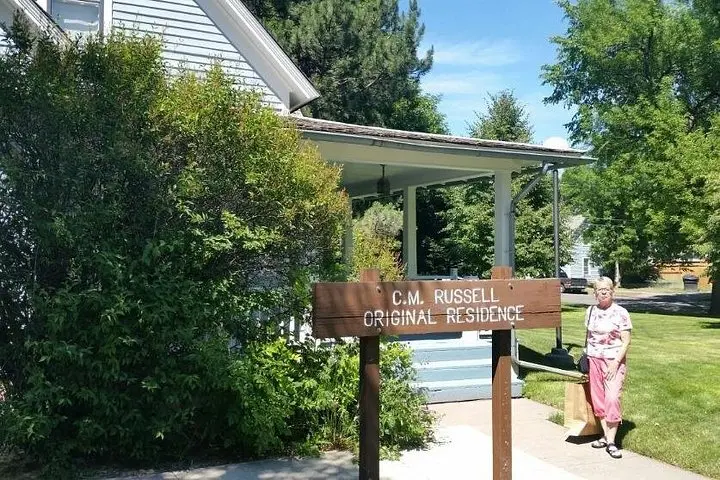
Charles M. Russell arrived in Montana in 1880 and spent decades sketching, painting and living the frontier life that informed roughly 4,000 works now conserved here. The museum pairs Russell’s canvases with contemporaries who recorded the West’s social and material history; the original Russell Home and Studio sits on the campus as a compact time capsule of daily life and craft.
Geology and culture collide in the subject matter — granite uplifts, river coulees and grassland skies recur in landscapes; leather tack, bronc-scars and trade goods map human histories. Exhibits emphasize process as much as picture: sketches, archival photographs and Russell’s studio lay the groundwork for the finished oils.
Practical guidance: allow 1–3 hours to move deliberately through the galleries and visit the Russell Home and Studio. Bags and flash photography are restricted; plan to exchange your mobile voucher at the desk and wear comfortable shoes for gentle steps and a few stairs. Peak seasons run late spring through early fall — expect more crowds then and quiet weekdays in winter. The museum is wheelchair accessible and posts conservation rules to protect fragile works, so keep a respectful distance and enjoy the close, unhurried view of Western art history.
Plan 1–3 hours depending on whether you tour the Russell Home and Studio and read the archival displays; shorter visits of ~60 minutes are common.
Yes — the museum provides wheelchair access and accessibility information at the entrance; contact staff for specific accommodations.
Non-flash photography is generally allowed, but flash, tripods and touching artwork are prohibited—follow posted signs and staff directions.
Mobile tickets are accepted but must be exchanged at the attraction start point for a direct entry ticket; bring a photo ID if requested.
C.M. Russell Museum operates guided outdoor trips and adventures with an emphasis on safety, stewardship, and memorable experiences.
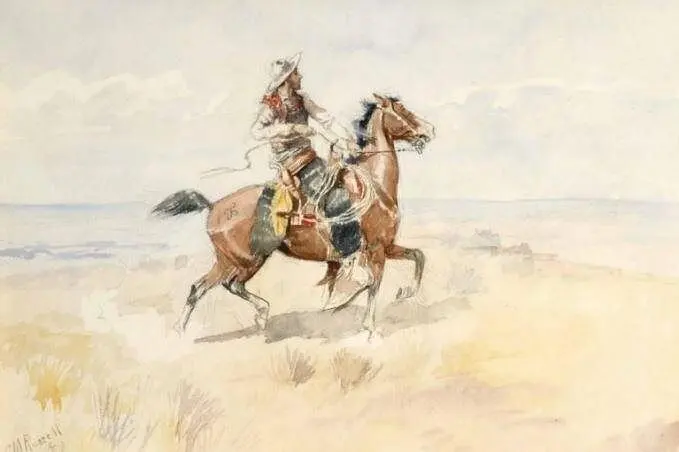
You step through a modest doorway off a quiet Great Falls street and the light shifts — oil paint and varnish hold a different kind of prairie light than the Missouri River outside. The galleries arrange themselves like chapters: working cowboys at dusk, mountain ridgelines cut in broad strokes, and intimate portraits that fix the faces of Plains Indian life.
You step through a modest doorway off a quiet Great Falls street and the light shifts — oil paint and varnish hold a different kind of prairie light than the Missouri River outside. The galleries arrange themselves like chapters: working cowboys at dusk, mountain ridgelines cut in broad strokes, and intimate portraits that fix the faces of Plains Indian life.
Charles M. Russell arrived in Montana in 1880 and spent decades sketching, painting and living the frontier life that informed roughly 4,000 works now conserved here. The museum pairs Russell’s canvases with contemporaries who recorded the West’s social and material history; the original Russell Home and Studio sits on the campus as a compact time capsule of daily life and craft.
Geology and culture collide in the subject matter — granite uplifts, river coulees and grassland skies recur in landscapes; leather tack, bronc-scars and trade goods map human histories. Exhibits emphasize process as much as picture: sketches, archival photographs and Russell’s studio lay the groundwork for the finished oils.
Practical guidance: allow 1–3 hours to move deliberately through the galleries and visit the Russell Home and Studio. Bags and flash photography are restricted; plan to exchange your mobile voucher at the desk and wear comfortable shoes for gentle steps and a few stairs. Peak seasons run late spring through early fall — expect more crowds then and quiet weekdays in winter. The museum is wheelchair accessible and posts conservation rules to protect fragile works, so keep a respectful distance and enjoy the close, unhurried view of Western art history.