
Exploring the Cave of the Tayos: Full-Day Speleology Tour from Puyo
A full-day speleology tour from Puyo leads through jungle and Shuar lands to the Cave of the Tayos—three hours in caverns of dripping walls, narrow passages, and light wells. Practical tips for gear, timing, and respecting local stewards help you prepare for the humid, hands-on adventure.
An Adventure In Puyo.
A full-day speleology tour from Puyo leads through jungle and Shuar lands to the Cave of the Tayos—three hours in caverns of dripping walls, narrow passages, and light wells. Practical tips for gear, timing, and respecting local stewards help you prepare for the humid, hands-on adventure.
Read the full experience
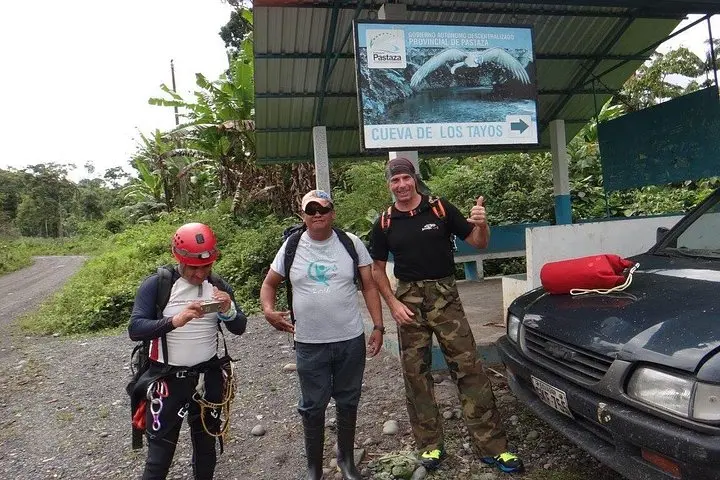
You leave Puyo before sunrise and drive two hours through wet green lowlands, the road shedding from pavement into rutted tracks as the rainforest presses close. A 90‑minute jungle hike follows—humid, root-strewn, and crisp with fossilized leaf litter—until you arrive at the Shuar community that acts as gateway and steward for the Cave of the Tayos.
You leave Puyo before sunrise and drive two hours through wet green lowlands, the road shedding from pavement into rutted tracks as the rainforest presses close. A 90‑minute jungle hike follows—humid, root-strewn, and crisp with fossilized leaf litter—until you arrive at the Shuar community that acts as gateway and steward for the Cave of the Tayos.
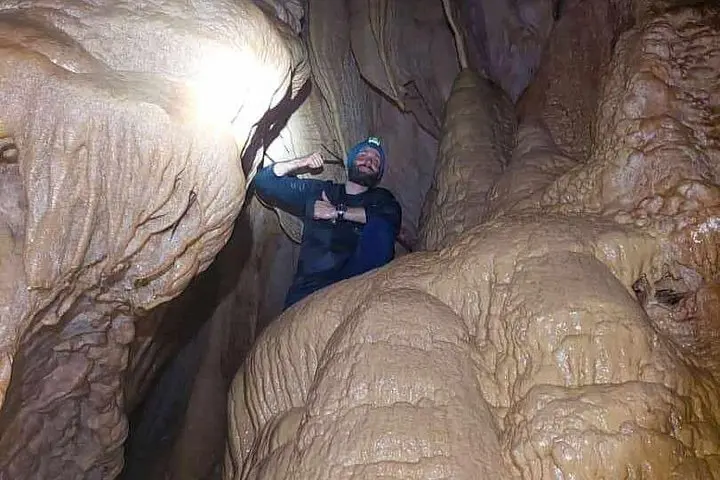
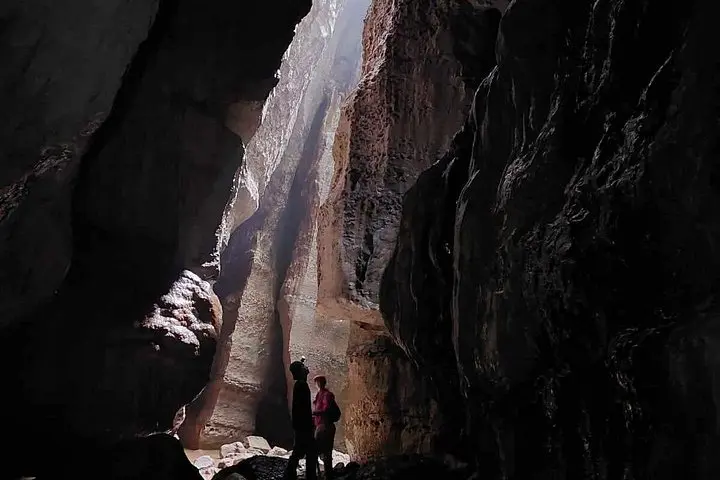
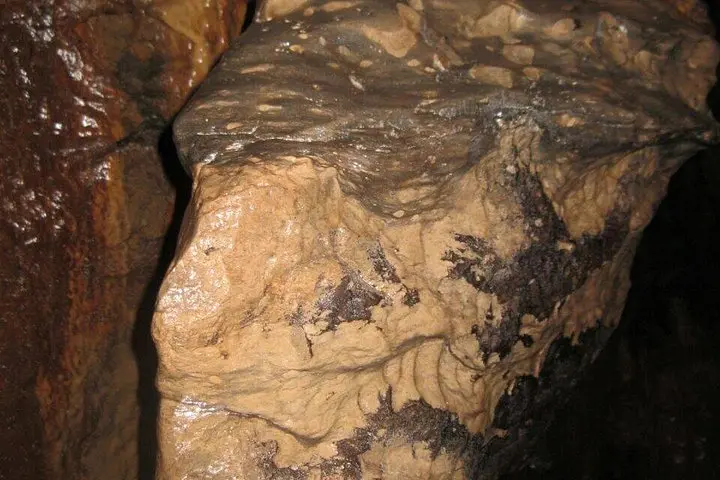
The cave system is a study in slow processes: rock shaped by water over millennia into chambers, shafts, and narrow passages with light wells that carve vertical shafts of daylight into the dark. Inside, stalactites and stalagmites guard dripping walls and slick floors; small underground currents thread through sections, and bats and the nocturnal guácharo (tayo) hold dim territories where fruiting trees feed the colony above.
Culturally, the Shuar maintain access and provide a cooked lunch—this is their landscape and history. Geologically the caverns are part of the eastern Andean foothills where sedimentary rock meets tropical weathering, producing dramatic speleothems and unpredictable humidity.
Practically: expect 3 hours inside the cave, tight passages, and wet rock underfoot. Bring a reliable headlamp, sturdy boots with good grip, waterproof clothing, and a small daypack with water and snacks. Allow time for the community visit and transport back to Puyo; the itinerary runs about eight hours total. Move deliberately on wet steps, follow guides closely, and keep voices low near nesting birds.
This is a sensory, physical day—equal parts anthropology and geology—best for travelers comfortable with humid conditions, low light, and uneven terrain.
Frequently asked questions
The jungle approach is roughly 1–1.5 hours on uneven, rooty trails—expect slower footing in wet conditions.
Most passages are walkable with occasional low or narrow sections; guides will advise and assist—no technical rope work is required.
The tour is physically active and not recommended for travelers with spinal injuries or severe mobility limits; children can join if able to navigate uneven terrain.
You may encounter bats, spiders, and birds like the guácharo near light wells; observe quietly to avoid disturbing roosts.
About This Experience
Puyo, Pastaza. Atractivos Turísticos, Cavernas, Yasuní, Waorani, Curaray, y Selva Amazonia operates guided outdoor trips and adventures with an emphasis on safety, stewardship, and memorable experiences.
Adventure tips
Recommended gear
- Waterproof headlamp: Keeps hands free and provides reliable illumination in dark cave passages.
- Sturdy waterproof hiking boots: Protects feet on muddy jungle trails and slippery cave surfaces.
- Light rain shell: High humidity and occasional showers make a breathable waterproof layer useful.
- Insect repellent & quick-dry clothing: Repellent reduces biting insects during the jungle approach; quick-dry fabrics manage sweat and dampness.
Photos of the experience
Related adventures & guides
Read the full experience
You leave Puyo before sunrise and drive two hours through wet green lowlands, the road shedding from pavement into rutted tracks as the rainforest presses close. A 90‑minute jungle hike follows—humid, root-strewn, and crisp with fossilized leaf litter—until you arrive at the Shuar community that acts as gateway and steward for the Cave of the Tayos.
You leave Puyo before sunrise and drive two hours through wet green lowlands, the road shedding from pavement into rutted tracks as the rainforest presses close. A 90‑minute jungle hike follows—humid, root-strewn, and crisp with fossilized leaf litter—until you arrive at the Shuar community that acts as gateway and steward for the Cave of the Tayos.
The cave system is a study in slow processes: rock shaped by water over millennia into chambers, shafts, and narrow passages with light wells that carve vertical shafts of daylight into the dark. Inside, stalactites and stalagmites guard dripping walls and slick floors; small underground currents thread through sections, and bats and the nocturnal guácharo (tayo) hold dim territories where fruiting trees feed the colony above.
Culturally, the Shuar maintain access and provide a cooked lunch—this is their landscape and history. Geologically the caverns are part of the eastern Andean foothills where sedimentary rock meets tropical weathering, producing dramatic speleothems and unpredictable humidity.
Practically: expect 3 hours inside the cave, tight passages, and wet rock underfoot. Bring a reliable headlamp, sturdy boots with good grip, waterproof clothing, and a small daypack with water and snacks. Allow time for the community visit and transport back to Puyo; the itinerary runs about eight hours total. Move deliberately on wet steps, follow guides closely, and keep voices low near nesting birds.
This is a sensory, physical day—equal parts anthropology and geology—best for travelers comfortable with humid conditions, low light, and uneven terrain.
Make a day of it nearby.
Verified experiences and guided adventures in the surrounding area.