THE ADVENTURE COLLECTIVE® · Independent discovery and booking for outdoor travel

Walk into the caves that preserved early human fossils on a focused half-day from Johannesburg. This guided tour combines Sterkfontein’s subterranean passages with Maropeng’s hands-on exhibits to tell the story of human origins.
Walk into the caves that preserved early human fossils on a focused half-day from Johannesburg. This guided tour combines Sterkfontein’s subterranean passages with Maropeng’s hands-on exhibits to tell the story of human origins.
A dry wind carries dust and stone chips past low acacia as the tour minibus eases onto a gravel approach road; the limestone hills of the Cradle of Humankind rise, their exposed faces holding shadowed mouths—the caves that preserved our distant past.
Verified experiences and guided adventures in the surrounding area.
Operated by African Eagle Daytours PTY (ltd) · Krugersdorp, Gauteng
A dry wind carries dust and stone chips past low acacia as the tour minibus eases onto a gravel approach road; the limestone hills of the Cradle of Humankind rise, their exposed faces holding shadowed mouths—the caves that preserved our distant past.
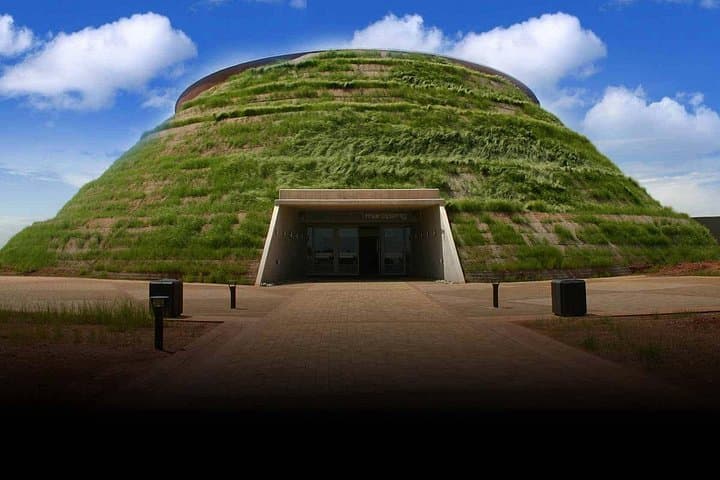
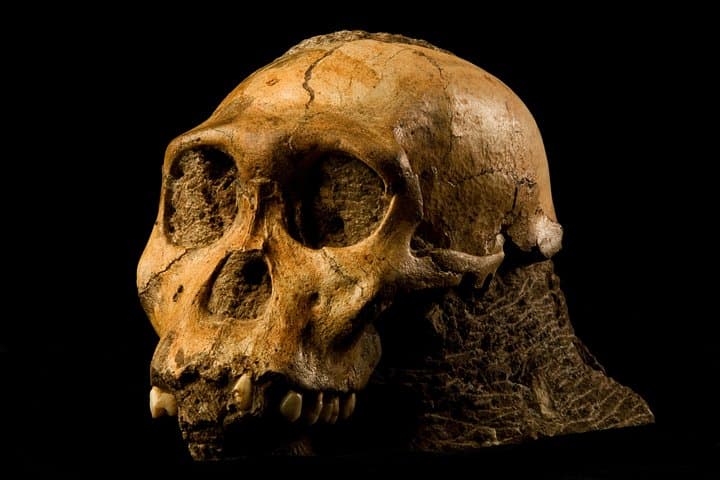
This half-day experience centers on Sterkfontein and the nearby Maropeng Visitor Centre, part of a UNESCO World Heritage landscape where early hominin fossils such as Australopithecus africanus were recovered. Geologically, the area is karst country—limestone dissolved into cavern systems that trapped sediment and bones for millions of years. Culturally, the site sits in a living rural region of Gauteng where local farms, small settlements and interpretive centres connect visitors to both science and community.
Expect guided, mostly paved walking paths, staircases into show caves, and museum-style exhibits that explain excavation techniques, dating methods and the broader story of human evolution. The sound of a guide's flashlight tapping rock mixes with the hush of other visitors as you peer at fossil replicas and real finds behind glass.
Practically: tours are about five hours door-to-door from Johannesburg, include air-conditioned transport and a registered guide, and require modest walking and stair negotiation. Wear sturdy shoes, bring water and a light layer for cool cave temperatures. Photography is usually allowed in visitor areas but restricted in some parts of the caves—follow your guide. Time your visit for morning light on the scrubby ridgelines and allow an hour at the Maropeng exhibits to absorb the context behind the bones.
The scheduled duration is about five hours total—transport from Johannesburg included—allowing time at Sterkfontein and Maropeng exhibits.
The operator notes stroller access for infants on some parts of the visit, but caves include stairs; infants may be required to sit on laps.
Original fossils are displayed behind glass; touching is not permitted—guides will point out replicas and interpretive displays you can approach.
Yes—this tour includes air-conditioned transport from arranged pickup points; confirm your pickup location when booking.
African Eagle Daytours PTY (ltd) operates guided outdoor trips and adventures with an emphasis on safety, stewardship, and memorable experiences.
A dry wind carries dust and stone chips past low acacia as the tour minibus eases onto a gravel approach road; the limestone hills of the Cradle of Humankind rise, their exposed faces holding shadowed mouths—the caves that preserved our distant past.
A dry wind carries dust and stone chips past low acacia as the tour minibus eases onto a gravel approach road; the limestone hills of the Cradle of Humankind rise, their exposed faces holding shadowed mouths—the caves that preserved our distant past.
This half-day experience centers on Sterkfontein and the nearby Maropeng Visitor Centre, part of a UNESCO World Heritage landscape where early hominin fossils such as Australopithecus africanus were recovered. Geologically, the area is karst country—limestone dissolved into cavern systems that trapped sediment and bones for millions of years. Culturally, the site sits in a living rural region of Gauteng where local farms, small settlements and interpretive centres connect visitors to both science and community.
Expect guided, mostly paved walking paths, staircases into show caves, and museum-style exhibits that explain excavation techniques, dating methods and the broader story of human evolution. The sound of a guide's flashlight tapping rock mixes with the hush of other visitors as you peer at fossil replicas and real finds behind glass.
Practically: tours are about five hours door-to-door from Johannesburg, include air-conditioned transport and a registered guide, and require modest walking and stair negotiation. Wear sturdy shoes, bring water and a light layer for cool cave temperatures. Photography is usually allowed in visitor areas but restricted in some parts of the caves—follow your guide. Time your visit for morning light on the scrubby ridgelines and allow an hour at the Maropeng exhibits to absorb the context behind the bones.