THE ADVENTURE COLLECTIVE® · Independent discovery and booking for outdoor travel

Descend into the Cu Chi Tunnels on a comfortable half-day luxury tour from Ho Chi Minh City. Explore reconstructed passages, wartime living areas, and learn the techniques that let an underground community endure.
Descend into the Cu Chi Tunnels on a comfortable half-day luxury tour from Ho Chi Minh City. Explore reconstructed passages, wartime living areas, and learn the techniques that let an underground community endure.
You step from the minivan into a low-lying forest where the air already feels different—damp, shaded, and carrying the smell of earth. The path narrows and the guide points to a disguised trap door; the ground seems to hold secrets, and the tunnels answer with a cool, quiet pull that asks you to move slower.
Verified experiences and guided adventures in the surrounding area.
Operated by Cu Chi Tunnels Tours · Cu Chi, Ho Chi Minh City
You step from the minivan into a low-lying forest where the air already feels different—damp, shaded, and carrying the smell of earth. The path narrows and the guide points to a disguised trap door; the ground seems to hold secrets, and the tunnels answer with a cool, quiet pull that asks you to move slower.
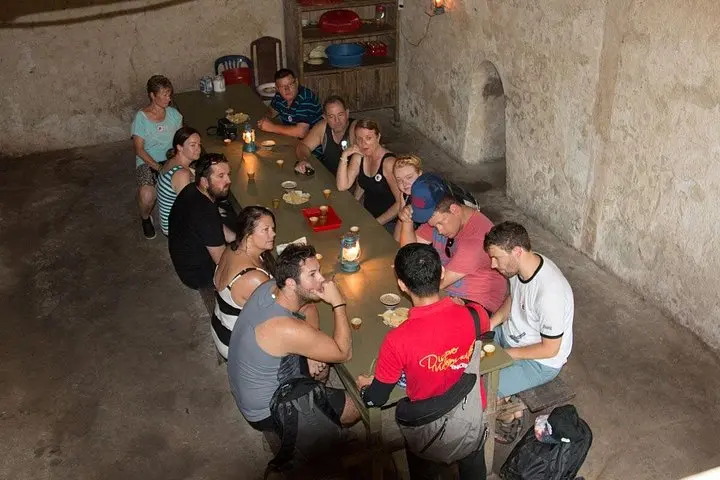
The Cu Chi network was widened and reinforced during the Vietnam War into more than 200 km of interlaced passages—living quarters, kitchens, field hospitals and command posts carved into alluvial soils and sand layers. The geology of the region—soft sediment over harder clays—made digging practical and concealment effective. Local culture threads through the visit: small exhibits of guerrilla food, techniques of camouflage, and a demonstration of the ingenuity that let communities remain mobile and hidden beneath farmland.
Expect tight crawlspaces at reconstructed sections, displays of basic wartime tools, and an introductory film that frames the tunnels in historical context. The site mixes preservation and interpretation: some passages are widened for visitors, while other areas remain fragile and off-limits.
Practical guidance: allow a half day from Ho Chi Minh City (about 70 km); wear sturdy closed-toe shoes and light long sleeves for the forest approach and to avoid insects. Bring water, a small flashlight if you’re uneasy in low light, and plan for humidity—short, steady walks and short crouches rather than long hikes. Photography is allowed in most outdoor areas but follow guide directions inside sensitive displays. If claustrophobia or mobility limits are a concern, notify the operator when booking; many luxury transfers include a short rest stop and accessible viewing alternatives.
The drive is typically around 60–90 minutes each way depending on traffic and your pick-up location in Ho Chi Minh City.
Most visitor routes use widened, reconstructed sections; original narrow tunnels are not typically entered by tourists for safety and preservation reasons.
Yes—many sections are family-friendly, but very young children, those with mobility limits, or people with claustrophobia should use viewing areas arranged by the guide.
Some operators offer an optional shooting range during the visit for an additional fee; check age restrictions and safety rules in advance.
Cu Chi Tunnels Tours operates guided outdoor trips and adventures with an emphasis on safety, stewardship, and memorable experiences.
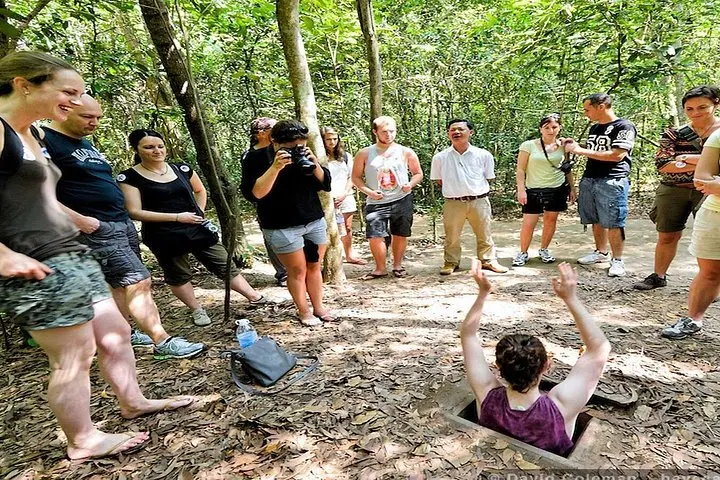
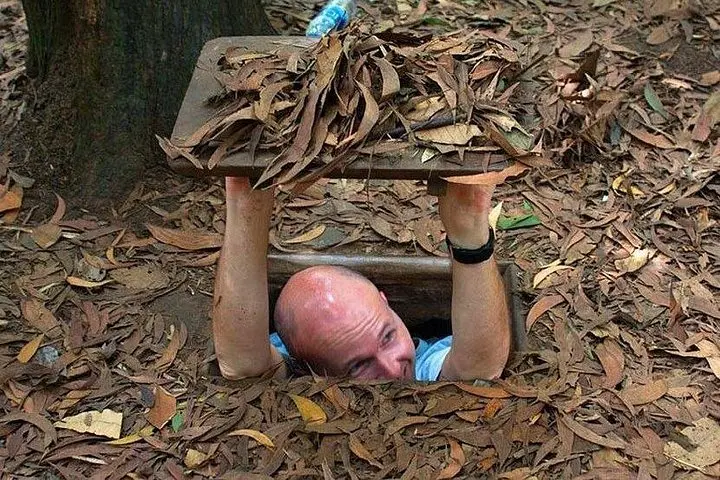
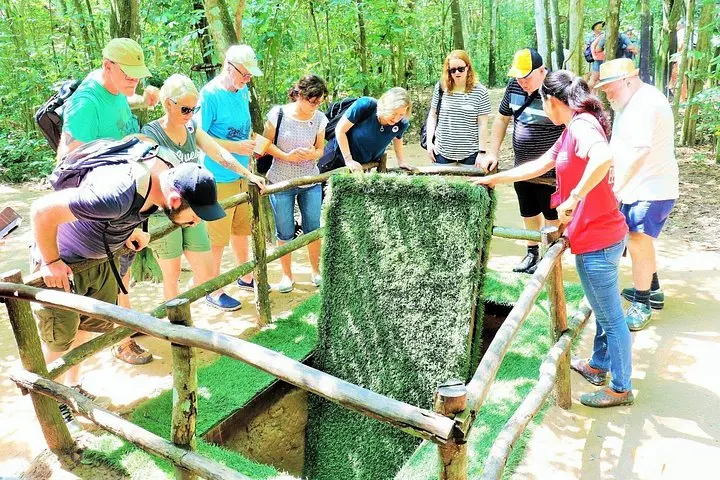
You step from the minivan into a low-lying forest where the air already feels different—damp, shaded, and carrying the smell of earth. The path narrows and the guide points to a disguised trap door; the ground seems to hold secrets, and the tunnels answer with a cool, quiet pull that asks you to move slower.
You step from the minivan into a low-lying forest where the air already feels different—damp, shaded, and carrying the smell of earth. The path narrows and the guide points to a disguised trap door; the ground seems to hold secrets, and the tunnels answer with a cool, quiet pull that asks you to move slower.
The Cu Chi network was widened and reinforced during the Vietnam War into more than 200 km of interlaced passages—living quarters, kitchens, field hospitals and command posts carved into alluvial soils and sand layers. The geology of the region—soft sediment over harder clays—made digging practical and concealment effective. Local culture threads through the visit: small exhibits of guerrilla food, techniques of camouflage, and a demonstration of the ingenuity that let communities remain mobile and hidden beneath farmland.
Expect tight crawlspaces at reconstructed sections, displays of basic wartime tools, and an introductory film that frames the tunnels in historical context. The site mixes preservation and interpretation: some passages are widened for visitors, while other areas remain fragile and off-limits.
Practical guidance: allow a half day from Ho Chi Minh City (about 70 km); wear sturdy closed-toe shoes and light long sleeves for the forest approach and to avoid insects. Bring water, a small flashlight if you’re uneasy in low light, and plan for humidity—short, steady walks and short crouches rather than long hikes. Photography is allowed in most outdoor areas but follow guide directions inside sensitive displays. If claustrophobia or mobility limits are a concern, notify the operator when booking; many luxury transfers include a short rest stop and accessible viewing alternatives.