THE ADVENTURE COLLECTIVE® · Independent discovery and booking for outdoor travel

Travel 70 km northwest of Ho Chi Minh City to walk into one of Southeast Asia’s most extensive wartime underground networks. This half-day small-group tour combines compact tunnel walkthroughs, local wartime cuisine and expert storytelling for a tangible history lesson.
Travel 70 km northwest of Ho Chi Minh City to walk into one of Southeast Asia’s most extensive wartime underground networks. This half-day small-group tour combines compact tunnel walkthroughs, local wartime cuisine and expert storytelling for a tangible history lesson.
A humid two-lane road peels away from Ho Chi Minh City's high-rises and, after roughly 70 km, opens onto low scrub, rubber plantations and the compact compound of the Cu Chi Tunnels.
Verified experiences and guided adventures in the surrounding area.
Operated by Vietnam Green Travel · Cu Chi, Ho Chi Minh
A humid two-lane road peels away from Ho Chi Minh City's high-rises and, after roughly 70 km, opens onto low scrub, rubber plantations and the compact compound of the Cu Chi Tunnels.
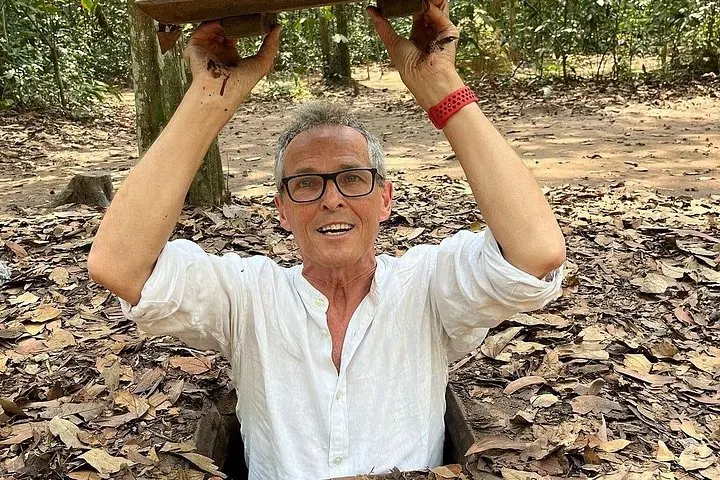
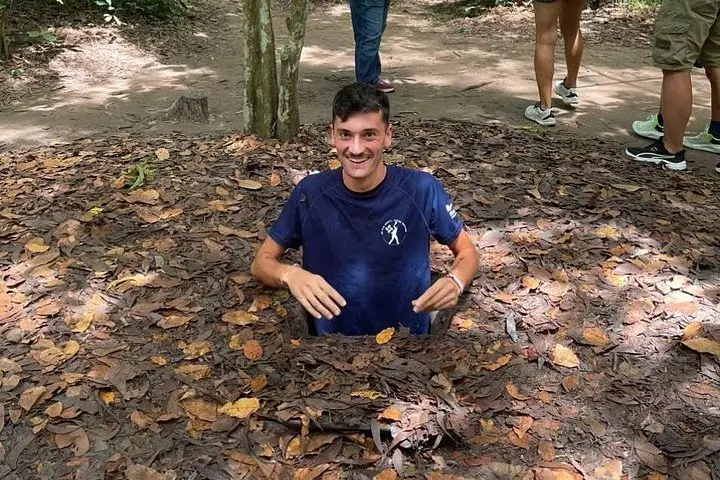
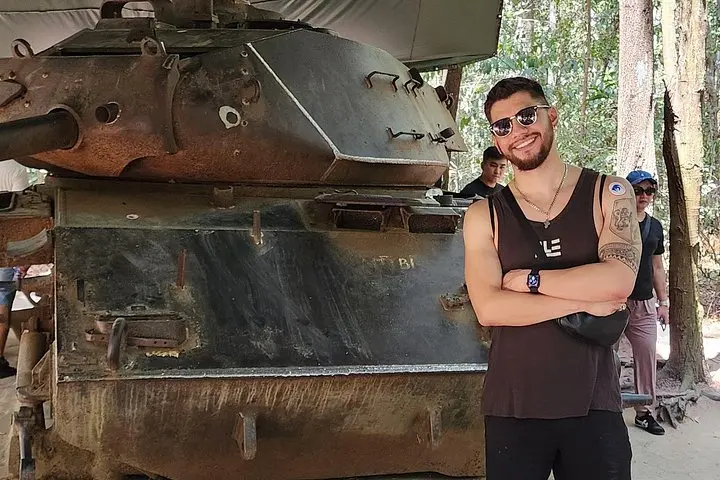
Visitors step into a landscape that still bears the physical traces of conflict: mounded earth, camouflaged pits and narrow tunnel mouths leading into cool darkness beneath the surface. The walk-through sections and display compounds make the underground easy to experience without extensive spelunking.
The tunnels are part of an extensive 250 km subterranean network used by Viet Cong fighters during the war. Restored sections such as Ben Dinh and Ben Duoc showcase living niches, kitchens, meeting rooms and defensive traps carved into lateritic clay. Guides relate how geology and simple tools enabled deep tunnelling and how staples like cassava and brewed tea sustained communities underground.
This half-day format blends storytelling with hands-on perspective: stooping lanes, short crawls and demonstration areas that recreate wartime improvisation. Expect practical briefings, a tasting of traditional wartime foods and an English-speaking guide. The site’s soil keeps underground chambers cool, but humidity returns when you surface.
Wear long trousers and sturdy closed-toe shoes, go in the morning for cooler temperatures and lighter crowds, and be prepared for low ceilings and tight spaces—this makes the tour unsuitable for people with serious back, heart conditions or pregnancy. Photography is allowed outdoors but restricted in some indoor displays. Respect the site: don’t remove artifacts, follow guide instructions and bring water for the walk between exhibits.
The Cu Chi tunnels are about 70 km northwest of central Ho Chi Minh City; the half-day tour includes roundtrip transport in an air-conditioned vehicle.
Most restored sections require stooping and one or two very short, widened crawl segments; visitors can opt out of tight sections and observe above-ground displays instead.
Entrance fees are included on most organized tours and guides on this tour speak English; confirm language and inclusions at booking.
The site is family-friendly, but tight passages and uneven ground make parts unsuitable for very young children, guests with limited mobility or those with certain medical conditions.
Vietnam Green Travel operates guided outdoor trips and adventures with an emphasis on safety, stewardship, and memorable experiences.

A humid two-lane road peels away from Ho Chi Minh City's high-rises and, after roughly 70 km, opens onto low scrub, rubber plantations and the compact compound of the Cu Chi Tunnels.
A humid two-lane road peels away from Ho Chi Minh City's high-rises and, after roughly 70 km, opens onto low scrub, rubber plantations and the compact compound of the Cu Chi Tunnels.
Visitors step into a landscape that still bears the physical traces of conflict: mounded earth, camouflaged pits and narrow tunnel mouths leading into cool darkness beneath the surface. The walk-through sections and display compounds make the underground easy to experience without extensive spelunking.
The tunnels are part of an extensive 250 km subterranean network used by Viet Cong fighters during the war. Restored sections such as Ben Dinh and Ben Duoc showcase living niches, kitchens, meeting rooms and defensive traps carved into lateritic clay. Guides relate how geology and simple tools enabled deep tunnelling and how staples like cassava and brewed tea sustained communities underground.
This half-day format blends storytelling with hands-on perspective: stooping lanes, short crawls and demonstration areas that recreate wartime improvisation. Expect practical briefings, a tasting of traditional wartime foods and an English-speaking guide. The site’s soil keeps underground chambers cool, but humidity returns when you surface.
Wear long trousers and sturdy closed-toe shoes, go in the morning for cooler temperatures and lighter crowds, and be prepared for low ceilings and tight spaces—this makes the tour unsuitable for people with serious back, heart conditions or pregnancy. Photography is allowed outdoors but restricted in some indoor displays. Respect the site: don’t remove artifacts, follow guide instructions and bring water for the walk between exhibits.