THE ADVENTURE COLLECTIVE® · Independent discovery and booking for outdoor travel

Step into reconstructed log houses and a 19th-century farmstead at the Great Smoky Mountains Heritage Center. This 90-minute self-guided admission links Native American history, Appalachian settlement, and moonshine-era culture with accessible grounds and seasonal demonstrations.
Step into reconstructed log houses and a 19th-century farmstead at the Great Smoky Mountains Heritage Center. This 90-minute self-guided admission links Native American history, Appalachian settlement, and moonshine-era culture with accessible grounds and seasonal demonstrations.
A visitor steps through a low wooden gate and the busy hum of U.S. 321 dissolves into the measured creak of boards and the distant scent of woodsmoke. The Heritage Center campus lays out like a small town moved through time: log houses, a sawmill, a blacksmith shop and an 1830s farmstead, each furnished as it would have been when the mountains were home to early settlers.
Verified experiences and guided adventures in the surrounding area.
Operated by Great Smoky Mountains Heritage Center · Townsend, Tennessee
A visitor steps through a low wooden gate and the busy hum of U.S. 321 dissolves into the measured creak of boards and the distant scent of woodsmoke. The Heritage Center campus lays out like a small town moved through time: log houses, a sawmill, a blacksmith shop and an 1830s farmstead, each furnished as it would have been when the mountains were home to early settlers.
The site condenses human history in the Smokies: evidence of Native American use across millennia, early 19th-century Appalachian homesteads, and 20th-century moonshine and mountain commerce. Geologically, the surrounding range is part of the ancient Appalachians — folded, worn, and shrouded in the valley fog that gives the Smokies their name — which shaped local settlement patterns and building techniques.
Townsend’s culture is practical and preservation-minded; the Center collects, relocates and interprets buildings to protect them from decay or loss. Visitors can walk indoor galleries, tour heirloom gardens, and move among relocated structures to see how form followed function in mountain life.
Practically: allow about 90 minutes for a relaxed self-guided pass; trails and grounds are wheelchair accessible and most exhibits accept mobile tickets. Wear comfortable walking shoes for uneven boardwalks, bring water and a light layer for variable mountain weather, and arrive in morning light for the best interpretive experience. Keep an eye out for living-history demonstrations and seasonal programming, and leave time to visit local shops and the nearby Great Smoky Mountains National Park entrance.
Tickets are instant and mobile-ready; reservations are not required for standard self-guided admission but check seasonal hours or special events.
Yes—indoor galleries and outdoor surfaces are wheelchair and stroller accessible; staff can suggest accessible routes.
Only service animals are permitted on site; pet policies are in place to protect historic artifacts and gardens.
Many relocated structures are furnished and open for viewing; access can vary by season or programming, so check at the front desk on arrival.
Great Smoky Mountains Heritage Center operates guided outdoor trips and adventures with an emphasis on safety, stewardship, and memorable experiences.
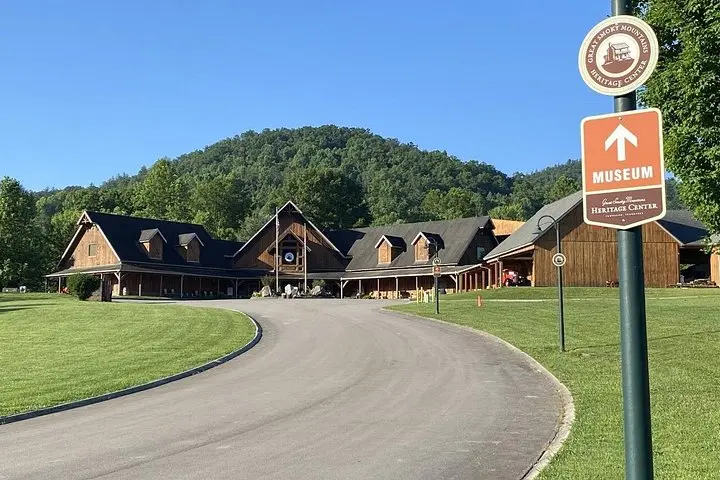
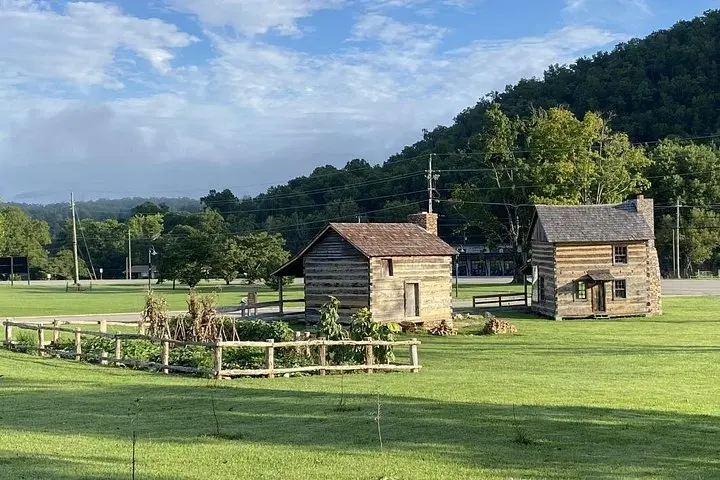

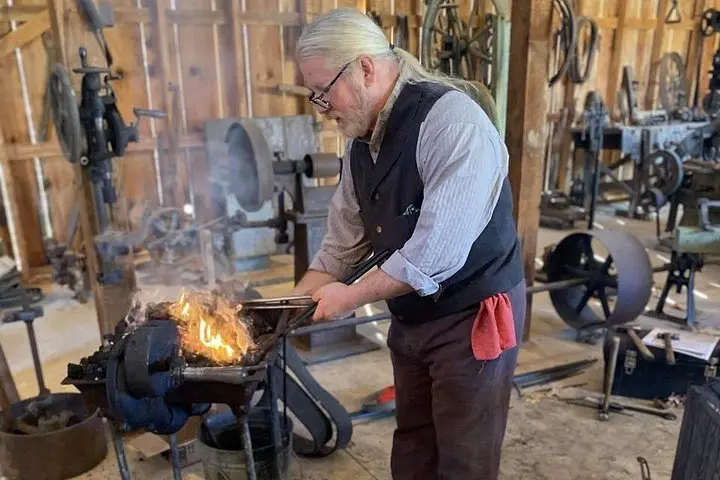
A visitor steps through a low wooden gate and the busy hum of U.S. 321 dissolves into the measured creak of boards and the distant scent of woodsmoke. The Heritage Center campus lays out like a small town moved through time: log houses, a sawmill, a blacksmith shop and an 1830s farmstead, each furnished as it would have been when the mountains were home to early settlers.
A visitor steps through a low wooden gate and the busy hum of U.S. 321 dissolves into the measured creak of boards and the distant scent of woodsmoke. The Heritage Center campus lays out like a small town moved through time: log houses, a sawmill, a blacksmith shop and an 1830s farmstead, each furnished as it would have been when the mountains were home to early settlers.
The site condenses human history in the Smokies: evidence of Native American use across millennia, early 19th-century Appalachian homesteads, and 20th-century moonshine and mountain commerce. Geologically, the surrounding range is part of the ancient Appalachians — folded, worn, and shrouded in the valley fog that gives the Smokies their name — which shaped local settlement patterns and building techniques.
Townsend’s culture is practical and preservation-minded; the Center collects, relocates and interprets buildings to protect them from decay or loss. Visitors can walk indoor galleries, tour heirloom gardens, and move among relocated structures to see how form followed function in mountain life.
Practically: allow about 90 minutes for a relaxed self-guided pass; trails and grounds are wheelchair accessible and most exhibits accept mobile tickets. Wear comfortable walking shoes for uneven boardwalks, bring water and a light layer for variable mountain weather, and arrive in morning light for the best interpretive experience. Keep an eye out for living-history demonstrations and seasonal programming, and leave time to visit local shops and the nearby Great Smoky Mountains National Park entrance.