THE ADVENTURE COLLECTIVE® · Independent discovery and booking for outdoor travel

A full-day circuit through Pisac, Urubamba, Ollantaytambo and Chinchero that pairs Inca engineering with hands-on cultural encounters. Expect terraces, tight stone streets, artisan markets and moderate walking at altitude.
A full-day circuit through Pisac, Urubamba, Ollantaytambo and Chinchero that pairs Inca engineering with hands-on cultural encounters. Expect terraces, tight stone streets, artisan markets and moderate walking at altitude.
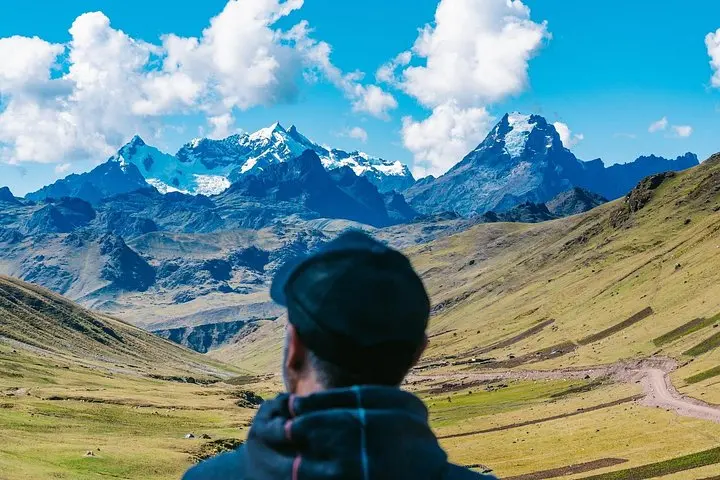
You step out of Cusco’s altitude-thinned air and the valley opens like a carved amphitheater—stone terraces stair-stepping down slopes, the Urubamba River daring you to follow its course toward distant peaks.
Verified experiences and guided adventures in the surrounding area.
Operated by Abel junior Serrano Paucar · Cusco, Cusco
You step out of Cusco’s altitude-thinned air and the valley opens like a carved amphitheater—stone terraces stair-stepping down slopes, the Urubamba River daring you to follow its course toward distant peaks.
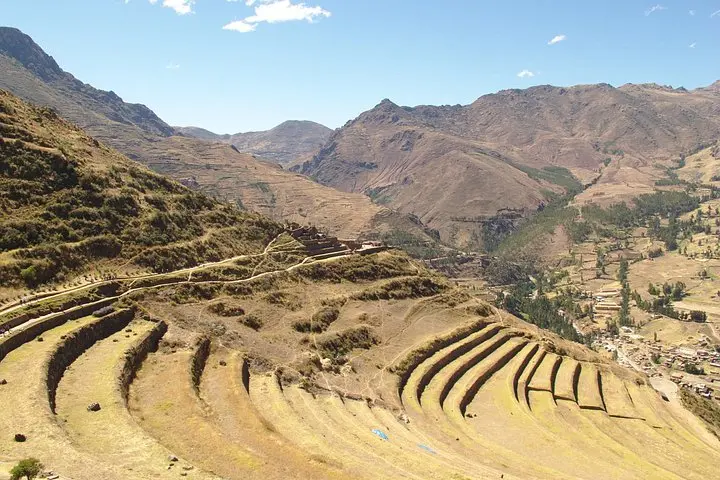
The day moves through living history: Pisac’s cliff-side platforms, laid out with geometric precision, read as both cemetery and agricultural laboratory. The stones here still hold the memory of Inca ritual practice and land management—terraces channeling water, retaining soil, shaping microclimates that fed empires.
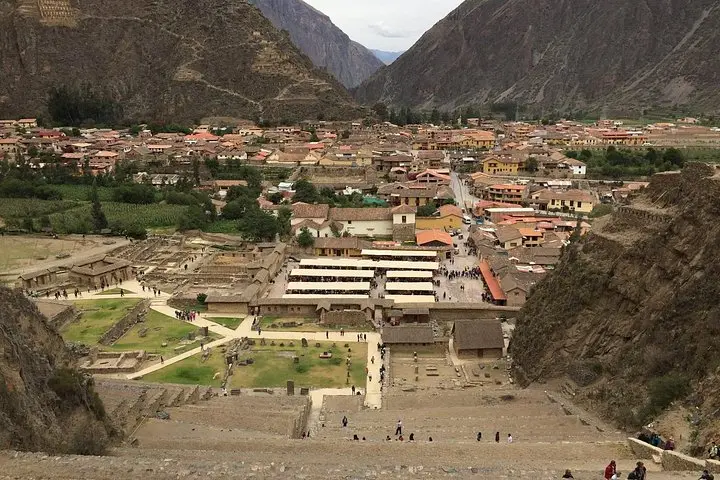
In the market at Pisac, local artisans translate ancestral iconography into silver and semiprecious jewelry, a thread of continuity from pre-Columbian workshops to modern stalls. Urubamba hosts a practical buffet lunch that reflects valley produce and highland flavors before Ollantaytambo reveals itself—an Inca fortress-town with massive polygonal masonry placed to control the corridor into the highlands.
On the return the plaza of Chinchero offers a compact lesson in layered history: Inca walls under colonial church porticos and ongoing textile traditions practiced by local weaving families.
Practical guidance: this is a full 10-hour day with multiple short walks, stair sections, and uneven stone paths; moderate fitness and altitude acclimatization are important. Carry water, sun protection, and layered clothing for temperature swings between river valley and high terraces. Respect archaeological barriers, buy textiles from community vendors, and allow extra time for photography—light on the terraces is strongest in late afternoon. The route is a concentrated primer on Inca engineering, Andean culture, and the landscape that still shapes daily life in the Sacred Valley.
The tour runs about 10 hours with several short walks around ruins and towns; expect periods of driving between sites and time for a buffet lunch.
Children and active older travelers can join, but moderate fitness is required and altitude can affect stamina—consult a physician if concerned.
Buffet lunch and professional bilingual guide are included; check booking details for any additional entrance fees.
Yes—Pisac and Chinchero have markets where textiles and jewelry are sold; buy directly from artisan cooperatives when possible.
Abel junior Serrano Paucar operates guided outdoor trips and adventures with an emphasis on safety, stewardship, and memorable experiences.
You step out of Cusco’s altitude-thinned air and the valley opens like a carved amphitheater—stone terraces stair-stepping down slopes, the Urubamba River daring you to follow its course toward distant peaks.
You step out of Cusco’s altitude-thinned air and the valley opens like a carved amphitheater—stone terraces stair-stepping down slopes, the Urubamba River daring you to follow its course toward distant peaks.
The day moves through living history: Pisac’s cliff-side platforms, laid out with geometric precision, read as both cemetery and agricultural laboratory. The stones here still hold the memory of Inca ritual practice and land management—terraces channeling water, retaining soil, shaping microclimates that fed empires.
In the market at Pisac, local artisans translate ancestral iconography into silver and semiprecious jewelry, a thread of continuity from pre-Columbian workshops to modern stalls. Urubamba hosts a practical buffet lunch that reflects valley produce and highland flavors before Ollantaytambo reveals itself—an Inca fortress-town with massive polygonal masonry placed to control the corridor into the highlands.
On the return the plaza of Chinchero offers a compact lesson in layered history: Inca walls under colonial church porticos and ongoing textile traditions practiced by local weaving families.
Practical guidance: this is a full 10-hour day with multiple short walks, stair sections, and uneven stone paths; moderate fitness and altitude acclimatization are important. Carry water, sun protection, and layered clothing for temperature swings between river valley and high terraces. Respect archaeological barriers, buy textiles from community vendors, and allow extra time for photography—light on the terraces is strongest in late afternoon. The route is a concentrated primer on Inca engineering, Andean culture, and the landscape that still shapes daily life in the Sacred Valley.