THE ADVENTURE COLLECTIVE® · Independent discovery and booking for outdoor travel

Walk the Medina’s winding alleys with a certified local guide and discover artisans, hidden ovens, and the rhythm of Marrakech’s souks. This half-day tour combines history, hands-on insights, and practical tips for navigating the old city.
Walk the Medina’s winding alleys with a certified local guide and discover artisans, hidden ovens, and the rhythm of Marrakech’s souks. This half-day tour combines history, hands-on insights, and practical tips for navigating the old city.
You step through a low, ochre arch and the Medina rearranges itself around you: narrow alleys funnel voices, spices perfume the sun-warmed air, and metal lamps blink like quiet promises. The guide threads the group past a public oven where women pace baked loaves, then down a lane dense with saffron, leather and hammered brass—each bench and doorway another chapter of the city’s daily life.
Verified experiences and guided adventures in the surrounding area.
Operated by Morocco Inspiring Tours · Marrakech, Marrakech-Safi
You step through a low, ochre arch and the Medina rearranges itself around you: narrow alleys funnel voices, spices perfume the sun-warmed air, and metal lamps blink like quiet promises. The guide threads the group past a public oven where women pace baked loaves, then down a lane dense with saffron, leather and hammered brass—each bench and doorway another chapter of the city’s daily life.
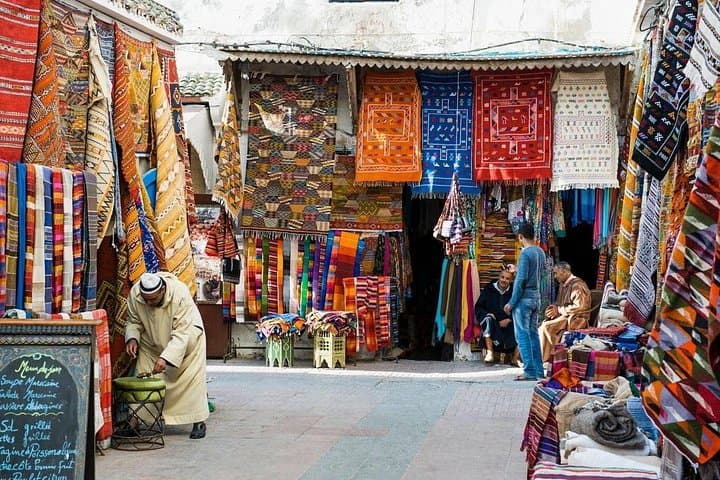
Marrakech’s souks grew from caravan routes and imperial courts; the city’s red clay walls—made from local earth and lime—hold centuries of trade, artisanal guilds and the ebb of Andalusi and Berber influences. Geologically, the ochre tone echoes the nearby Atlas foothills, whose runoff once fed the palm groves that sustained Medina life. Culturally, the souks remain workshop-first: cobblers, dyers and weavers practicing designs passed through families.
A certified local guide will point out small-scale sights—Dar el Bacha’s tiled courtyard, a working tannery entrance, a communal oven—and translate ritual into context while keeping the group oriented in labyrinthine streets. Expect a mostly flat, urban walk of three to four hours with frequent stops, photo opportunities and optional visits to cooperatives for argan, spices, or carpets.
Practical notes: wear closed, breathable shoes and bring a refillable water bottle; summer afternoons get very hot and mornings are best for light. Carry small change for purchases and tip guides/ artisans directly. If you want quieter moments, ask to detour to lesser-traveled alleys or rooftop tea terraces for a view over Jamaâ El-Fna before the square floods with evening life.
Yes—hotel, riad or Airbnb pickup and drop-off within central Marrakech is included in this tour.
Yes—entry fees for scheduled stops such as Dar el Bacha are included in the tour price.
Yes—the route is stroller-accessible and suitable for families, though some alleys are narrow and cobbles uneven.
Yes—guides can tailor the tour toward crafts, spices, or food preferences; mention interests when booking or at pickup.
Morocco Inspiring Tours operates guided outdoor trips and adventures with an emphasis on safety, stewardship, and memorable experiences.
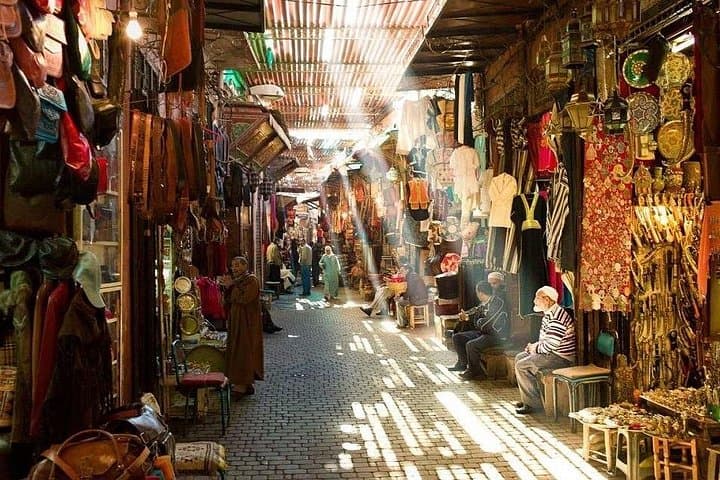
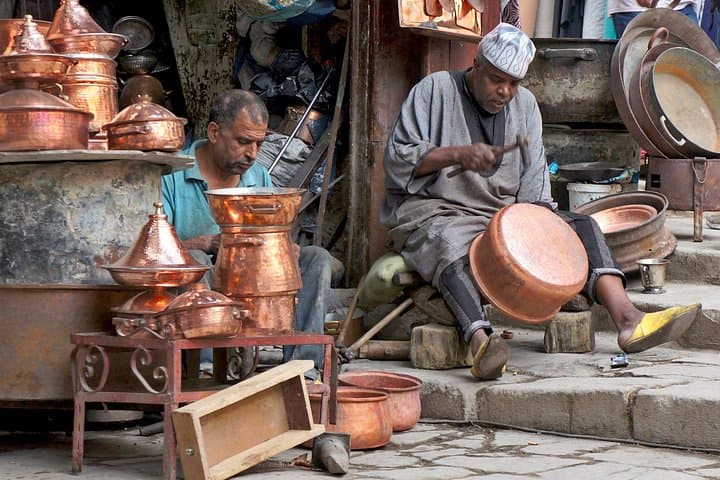
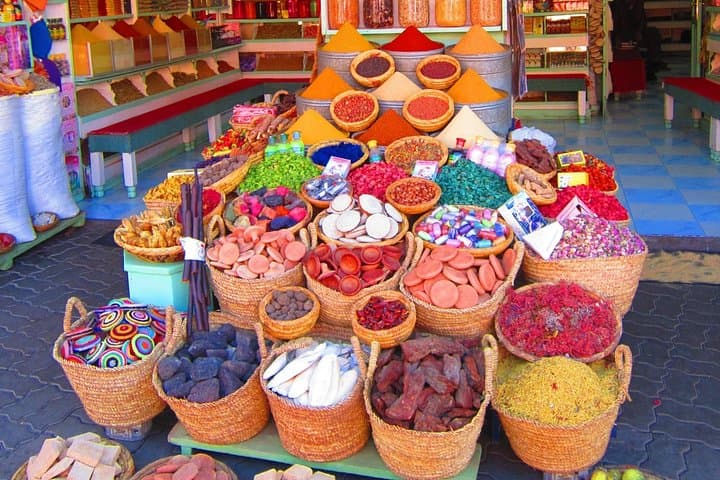
You step through a low, ochre arch and the Medina rearranges itself around you: narrow alleys funnel voices, spices perfume the sun-warmed air, and metal lamps blink like quiet promises. The guide threads the group past a public oven where women pace baked loaves, then down a lane dense with saffron, leather and hammered brass—each bench and doorway another chapter of the city’s daily life.
You step through a low, ochre arch and the Medina rearranges itself around you: narrow alleys funnel voices, spices perfume the sun-warmed air, and metal lamps blink like quiet promises. The guide threads the group past a public oven where women pace baked loaves, then down a lane dense with saffron, leather and hammered brass—each bench and doorway another chapter of the city’s daily life.
Marrakech’s souks grew from caravan routes and imperial courts; the city’s red clay walls—made from local earth and lime—hold centuries of trade, artisanal guilds and the ebb of Andalusi and Berber influences. Geologically, the ochre tone echoes the nearby Atlas foothills, whose runoff once fed the palm groves that sustained Medina life. Culturally, the souks remain workshop-first: cobblers, dyers and weavers practicing designs passed through families.
A certified local guide will point out small-scale sights—Dar el Bacha’s tiled courtyard, a working tannery entrance, a communal oven—and translate ritual into context while keeping the group oriented in labyrinthine streets. Expect a mostly flat, urban walk of three to four hours with frequent stops, photo opportunities and optional visits to cooperatives for argan, spices, or carpets.
Practical notes: wear closed, breathable shoes and bring a refillable water bottle; summer afternoons get very hot and mornings are best for light. Carry small change for purchases and tip guides/ artisans directly. If you want quieter moments, ask to detour to lesser-traveled alleys or rooftop tea terraces for a view over Jamaâ El-Fna before the square floods with evening life.