THE ADVENTURE COLLECTIVE® · Independent discovery and booking for outdoor travel

Walk through two-thousand-year-old adobe pyramids and the colonial streets of Trujillo on a half-day shore excursion from Salaverry. Discover Moche mural art, construction techniques, and a compact city tour with practical tips for sun, footing, and timing.
Walk through two-thousand-year-old adobe pyramids and the colonial streets of Trujillo on a half-day shore excursion from Salaverry. Discover Moche mural art, construction techniques, and a compact city tour with practical tips for sun, footing, and timing.
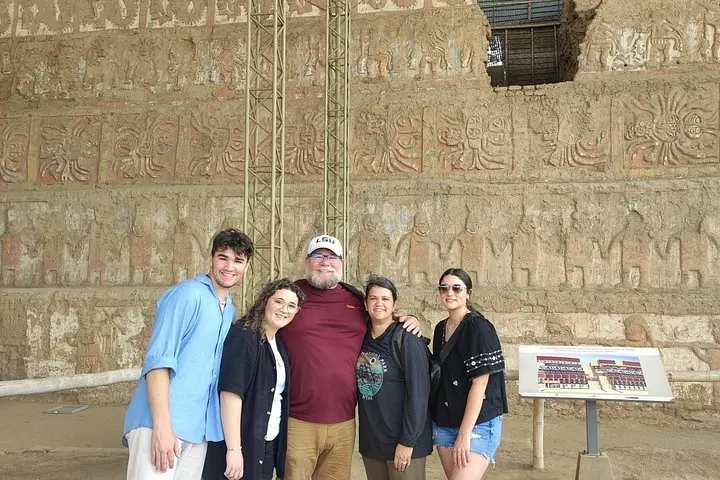
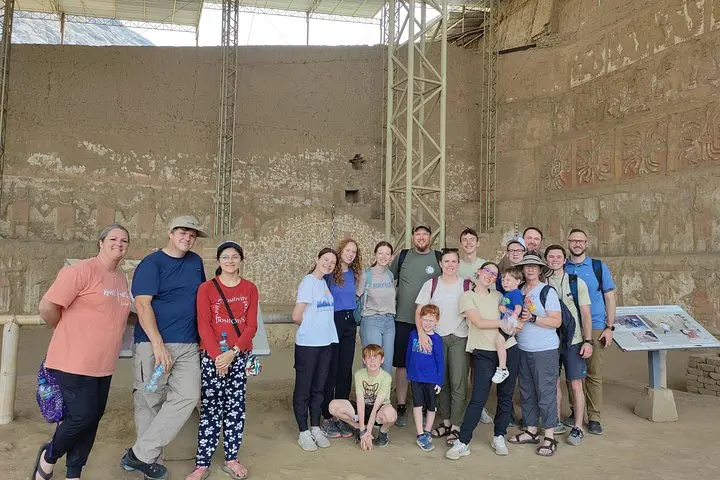
You step off the bus into sun-baked adobe, the air carrying a dry heat that seems as old as the walls themselves. The Huacas del Sol y de la Luna rise from flat coastal plains just inland from Salaverry—stacked platforms and sculpted friezes that hold two millennia of northern Peruvian history.
Verified experiences and guided adventures in the surrounding area.
Operated by Norte Expedition · Trujillo, La Libertad
You step off the bus into sun-baked adobe, the air carrying a dry heat that seems as old as the walls themselves. The Huacas del Sol y de la Luna rise from flat coastal plains just inland from Salaverry—stacked platforms and sculpted friezes that hold two millennia of northern Peruvian history.
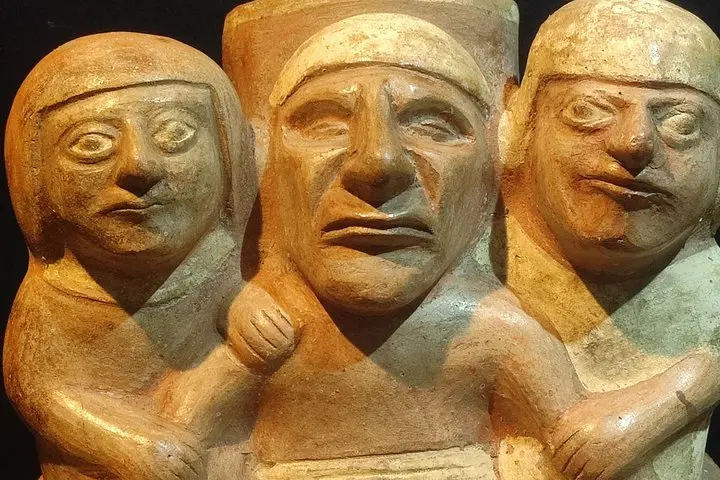
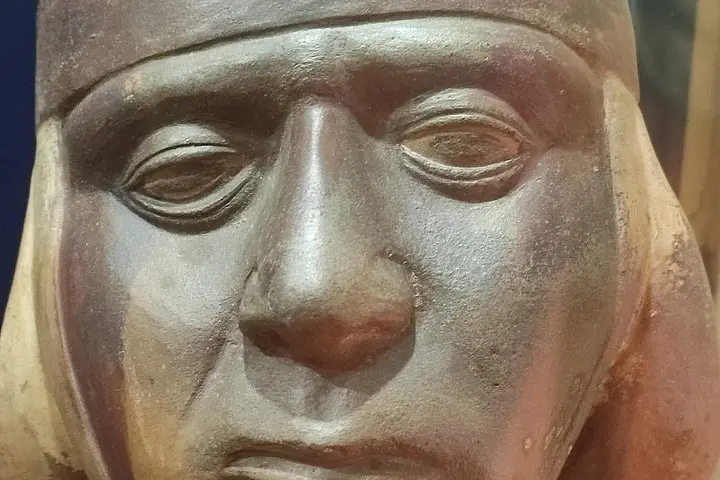
The Moche (Mochica) culture built these monumental adobe pyramids between roughly 100–700 CE. Where Huaca del Sol served as a civic and possibly administrative hub, Huaca de la Luna retains richly painted murals and ritual spaces—polychrome bands and iconography that reveal social hierarchies, metallurgy skill and religious life long before the Inca. Geologically, the site sits on alluvial plains; the adobe bricks are compacted clay mixed with straw, shaped by a sun that both preserved and erodes them over centuries.
A short drive from the colonial center of Trujillo, the excursion pairs the archaeological visit with a guided walk through the Plaza de Armas and surrounding colonial mansions—Spanish-era architecture that contrasts sharply with pre-Columbian construction techniques.
Practical guidance: expect 2–3 km of walking on compacted dirt, ramps and uneven steps; elevation is minimal but sun exposure is high. The guided visit at Huaca de la Luna lasts about 60–90 minutes with a shorter stop at Huaca del Sol and roughly 30 minutes in Trujillo’s main square. Bring sun protection, bottled water, and closed-toe shoes with decent traction. Photography is allowed in many areas but follow guide instructions—some murals are behind barriers to protect fragile pigments. Morning visits are cooler and offer sharper light for detail; plan shore time accordingly.
The guided visit is typically 60–120 minutes depending on group speed and commentary focus.
Yes—admission to Huaca de la Luna is included and the tour stops for views and photos at Huaca del Sol.
Yes—pickups are coordinated inside Salaverry port or from the town square; look for company staff with their logo.
Families can join, but the tour requires moderate mobility; it’s not recommended for travelers with serious spinal, heart conditions, or pregnancy.
Norte Expedition operates guided outdoor trips and adventures with an emphasis on safety, stewardship, and memorable experiences.
You step off the bus into sun-baked adobe, the air carrying a dry heat that seems as old as the walls themselves. The Huacas del Sol y de la Luna rise from flat coastal plains just inland from Salaverry—stacked platforms and sculpted friezes that hold two millennia of northern Peruvian history.
You step off the bus into sun-baked adobe, the air carrying a dry heat that seems as old as the walls themselves. The Huacas del Sol y de la Luna rise from flat coastal plains just inland from Salaverry—stacked platforms and sculpted friezes that hold two millennia of northern Peruvian history.
The Moche (Mochica) culture built these monumental adobe pyramids between roughly 100–700 CE. Where Huaca del Sol served as a civic and possibly administrative hub, Huaca de la Luna retains richly painted murals and ritual spaces—polychrome bands and iconography that reveal social hierarchies, metallurgy skill and religious life long before the Inca. Geologically, the site sits on alluvial plains; the adobe bricks are compacted clay mixed with straw, shaped by a sun that both preserved and erodes them over centuries.
A short drive from the colonial center of Trujillo, the excursion pairs the archaeological visit with a guided walk through the Plaza de Armas and surrounding colonial mansions—Spanish-era architecture that contrasts sharply with pre-Columbian construction techniques.
Practical guidance: expect 2–3 km of walking on compacted dirt, ramps and uneven steps; elevation is minimal but sun exposure is high. The guided visit at Huaca de la Luna lasts about 60–90 minutes with a shorter stop at Huaca del Sol and roughly 30 minutes in Trujillo’s main square. Bring sun protection, bottled water, and closed-toe shoes with decent traction. Photography is allowed in many areas but follow guide instructions—some murals are behind barriers to protect fragile pigments. Morning visits are cooler and offer sharper light for detail; plan shore time accordingly.