THE ADVENTURE COLLECTIVE® · Independent discovery and booking for outdoor travel

Spend a day exploring Saqqara’s pioneering Step Pyramid and the ruins of ancient Memphis. This guided tour blends architecture, history, and practical logistics for an accessible cultural outing from Cairo.
Spend a day exploring Saqqara’s pioneering Step Pyramid and the ruins of ancient Memphis. This guided tour blends architecture, history, and practical logistics for an accessible cultural outing from Cairo.
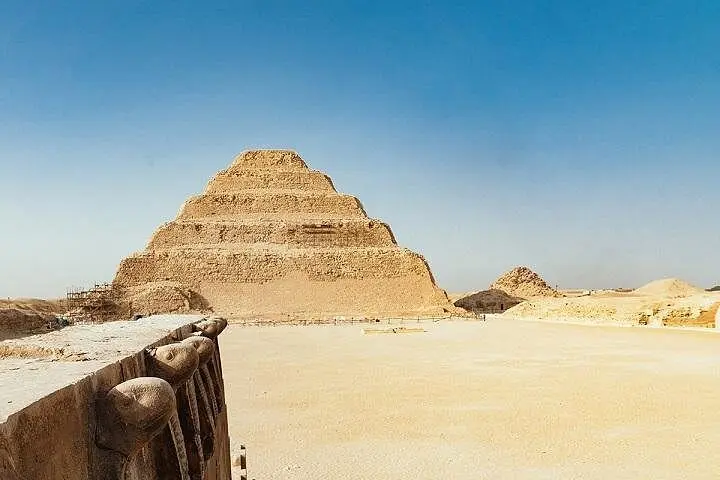
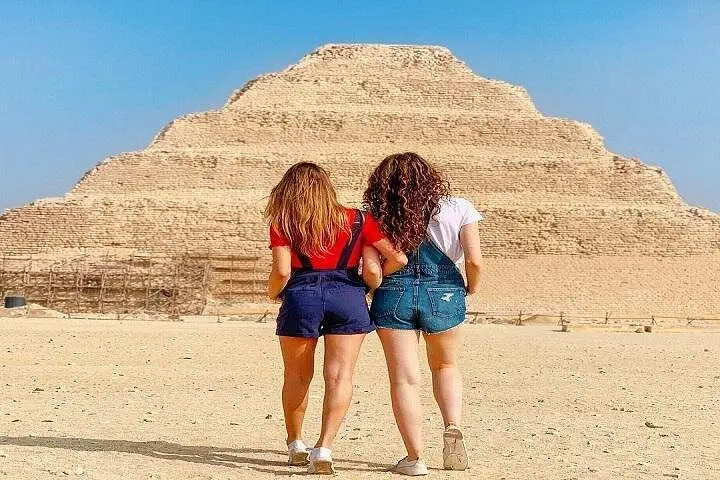
The morning light hits baked limestone and hard, wind-polished desert as your vehicle approaches the low ridgeline of Saqqara. Sand and stone frame the Step Pyramid of Djoser, its staggered silhouette a deliberate break from the earlier mastaba graves—an architectural rumor that became a revolution.
Verified experiences and guided adventures in the surrounding area.
Operated by Oman Day Tours · Saqqara, Giza Governorate
The morning light hits baked limestone and hard, wind-polished desert as your vehicle approaches the low ridgeline of Saqqara. Sand and stone frame the Step Pyramid of Djoser, its staggered silhouette a deliberate break from the earlier mastaba graves—an architectural rumor that became a revolution.
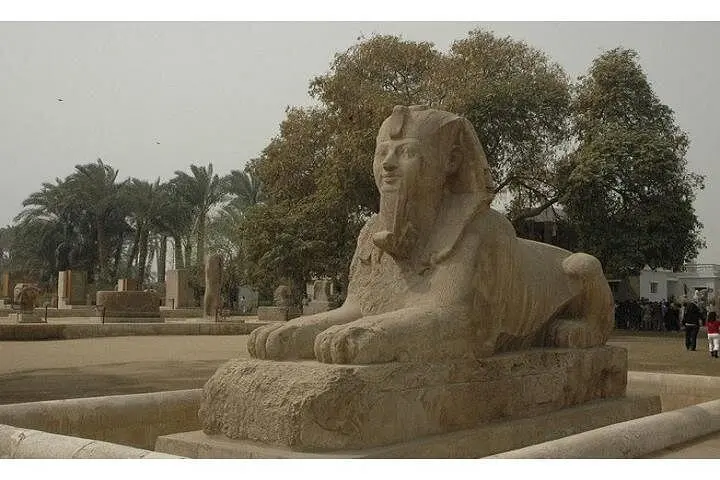
This day tour threads two complementary sites: Saqqara, the Old Kingdom necropolis where Imhotep’s stepped design marks Egypt’s first monumental stone pyramid, and nearby Memphis, the sprawling capital of early dynastic Egypt that still guards a colossus of Ramses II and an alabaster sphinx. Geology here is simple but telling: sediments from the Nile plain provided the mud-brick and limestone that made large-scale stone construction economical, and the flat horizon keeps the eye on human-made forms rather than dramatic peaks.
Culture and material life surface in small details—a papyrus institute working with traditional reed techniques, local vendors selling reproductions, and the muted ritual of tomb reliefs that once guided the dead. Expect a guided pace: interpreters point out architectural phases, relief panels, and the social logic behind mastaba clusters.
Practicalities matter. The tour is typically 6–8 hours with hotel pickup in Cairo or Giza, and includes entrance fees and a private Egyptology guide. Wear sun-protective clothing, comfortable walking shoes, and bring water; shade is limited and surfaces are uneven. Photography is generally allowed but respect signs and areas closed for conservation. Plan for heat, dust, and short walks between features—this is archaeology you can feel underfoot, not just observe at a distance.
The tour typically runs 6–8 hours and commonly includes hotel pickup/drop-off, entrance fees at Saqqara and Memphis, a private Egyptology guide, and a visit to the papyrus institute.
Children who can handle walking in heat will enjoy it; travelers with significant mobility issues or spinal problems may find uneven terrain and steps challenging—check accessibility options with the operator.
Photography is generally allowed in open areas; however, some tomb interiors or delicate reliefs may be restricted—always follow your guide and posted signs.
Basic restroom facilities and small vendors are available near major visitor areas, but bring snacks and water as options are limited and queues can form.
Oman Day Tours operates guided outdoor trips and adventures with an emphasis on safety, stewardship, and memorable experiences.
The morning light hits baked limestone and hard, wind-polished desert as your vehicle approaches the low ridgeline of Saqqara. Sand and stone frame the Step Pyramid of Djoser, its staggered silhouette a deliberate break from the earlier mastaba graves—an architectural rumor that became a revolution.
The morning light hits baked limestone and hard, wind-polished desert as your vehicle approaches the low ridgeline of Saqqara. Sand and stone frame the Step Pyramid of Djoser, its staggered silhouette a deliberate break from the earlier mastaba graves—an architectural rumor that became a revolution.
This day tour threads two complementary sites: Saqqara, the Old Kingdom necropolis where Imhotep’s stepped design marks Egypt’s first monumental stone pyramid, and nearby Memphis, the sprawling capital of early dynastic Egypt that still guards a colossus of Ramses II and an alabaster sphinx. Geology here is simple but telling: sediments from the Nile plain provided the mud-brick and limestone that made large-scale stone construction economical, and the flat horizon keeps the eye on human-made forms rather than dramatic peaks.
Culture and material life surface in small details—a papyrus institute working with traditional reed techniques, local vendors selling reproductions, and the muted ritual of tomb reliefs that once guided the dead. Expect a guided pace: interpreters point out architectural phases, relief panels, and the social logic behind mastaba clusters.
Practicalities matter. The tour is typically 6–8 hours with hotel pickup in Cairo or Giza, and includes entrance fees and a private Egyptology guide. Wear sun-protective clothing, comfortable walking shoes, and bring water; shade is limited and surfaces are uneven. Photography is generally allowed but respect signs and areas closed for conservation. Plan for heat, dust, and short walks between features—this is archaeology you can feel underfoot, not just observe at a distance.