THE ADVENTURE COLLECTIVE® · Independent discovery and booking for outdoor travel

A 2-day, 1-night trek from Puyo combines a one-hour jungle walk to Shuar community cabins with guided entries into the enigmatic Tayos Caves. Expect basic lodging, rich cultural interpretation, and cave passages studded with stalactites, bats, and tight squeezes.
A 2-day, 1-night trek from Puyo combines a one-hour jungle walk to Shuar community cabins with guided entries into the enigmatic Tayos Caves. Expect basic lodging, rich cultural interpretation, and cave passages studded with stalactites, bats, and tight squeezes.
You step off the road and the rainforest closes around you—the humid air presses with the smell of wet earth and green leaves. A two-hour drive east from Puyo gives way to a one-hour jungle trail, luggage bumping against the understory as the Shuar community appears: simple cabins, a clearing for the fire, and a river that seems to dare you to cross it.
Verified experiences and guided adventures in the surrounding area.
Operated by Puyo, Pastaza. Atractivos Turísticos, Cavernas, Yasuní, Waorani, Curaray, y Selva Amazonia · Puyo, Pastaza
You step off the road and the rainforest closes around you—the humid air presses with the smell of wet earth and green leaves. A two-hour drive east from Puyo gives way to a one-hour jungle trail, luggage bumping against the understory as the Shuar community appears: simple cabins, a clearing for the fire, and a river that seems to dare you to cross it.
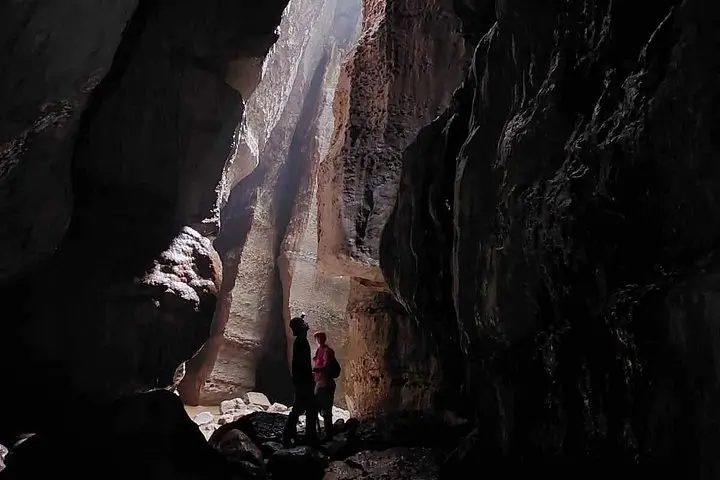
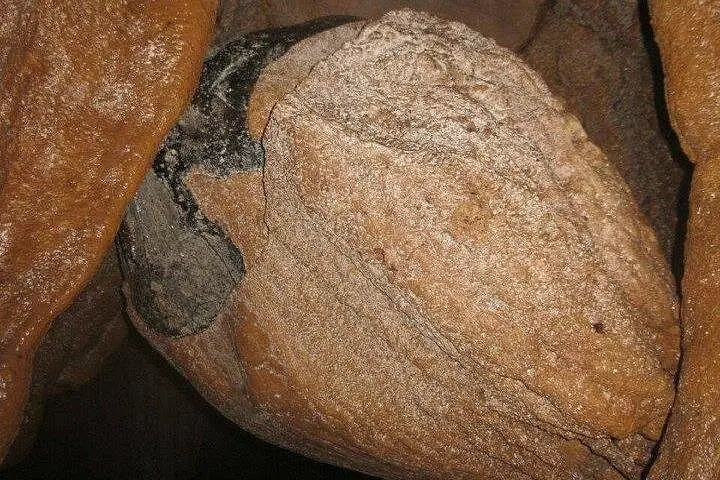
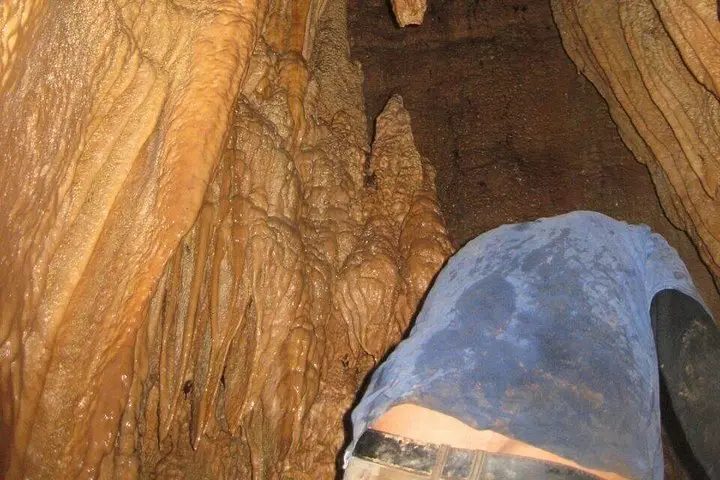
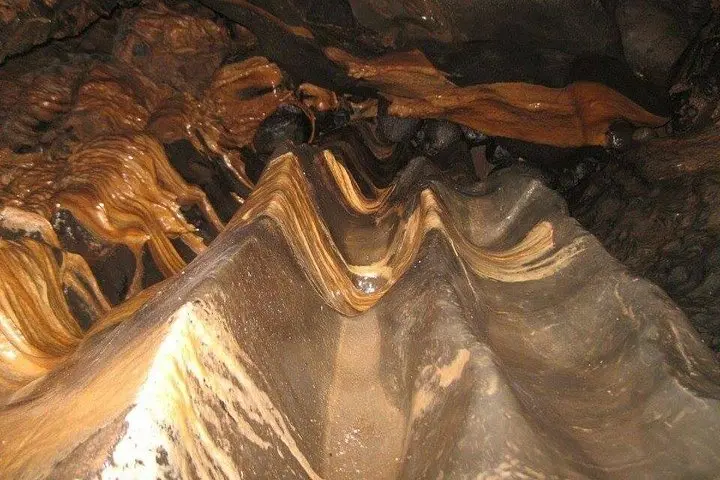
The Tayos Caves have been part of this landscape and Shuar life for generations. The karst passages were carved by water over millennia; inside, rooms of calcite and shadow hold stalactites and stalagmites, bat colonies, and small invertebrates adapted to the dark. The Shuar are your hosts and interpreters—sharing stories, preparing Amazonian meals, and guiding plant-knowledge walks that highlight medicinal species and forest use.
Expect two guided cave entries spread across the itinerary: an evening reconnaissance and a deeper morning exploration. Trails are uneven and often muddy, with stream crossings and low-ceiling sections in the caves that require stooping or cautious scrambling. Cabins are basic community lodgings—simple beds, shared facilities, and communal meals.
Practically: bring a reliable headlamp plus spare batteries, sturdy waterproof boots, insect repellent, and a lightweight rain jacket. Hydrate and pace your pack for a short but physically uneven jungle hike (roughly 2–3 km on foot each way to camp). Respect community customs: ask before photographing people, tip thoughtfully in cash, and follow guides in the caves for safety.
This two-day experience balances cultural exchange, primary forest interpretation, and subterranean exploration—an immersive slice of Amazonia best approached with curiosity, humility, and practical gear.
The drive from Puyo is about two hours by vehicle, followed by a roughly one-hour jungle walk to the community cabins where the cave access begins.
No technical climbing gear is required, but expect uneven floors, low ceilings, and occasional scrambling; guides manage rope or safety aids if needed.
Accommodation is in simple Shuar community cabins with basic beds and shared facilities; bring a light sleeping layer if you sleep cold.
Cell reception is unreliable; some community areas may have limited power for charging, so bring power banks and plan for low connectivity.
Puyo, Pastaza. Atractivos Turísticos, Cavernas, Yasuní, Waorani, Curaray, y Selva Amazonia operates guided outdoor trips and adventures with an emphasis on safety, stewardship, and memorable experiences.
You step off the road and the rainforest closes around you—the humid air presses with the smell of wet earth and green leaves. A two-hour drive east from Puyo gives way to a one-hour jungle trail, luggage bumping against the understory as the Shuar community appears: simple cabins, a clearing for the fire, and a river that seems to dare you to cross it.
You step off the road and the rainforest closes around you—the humid air presses with the smell of wet earth and green leaves. A two-hour drive east from Puyo gives way to a one-hour jungle trail, luggage bumping against the understory as the Shuar community appears: simple cabins, a clearing for the fire, and a river that seems to dare you to cross it.
The Tayos Caves have been part of this landscape and Shuar life for generations. The karst passages were carved by water over millennia; inside, rooms of calcite and shadow hold stalactites and stalagmites, bat colonies, and small invertebrates adapted to the dark. The Shuar are your hosts and interpreters—sharing stories, preparing Amazonian meals, and guiding plant-knowledge walks that highlight medicinal species and forest use.
Expect two guided cave entries spread across the itinerary: an evening reconnaissance and a deeper morning exploration. Trails are uneven and often muddy, with stream crossings and low-ceiling sections in the caves that require stooping or cautious scrambling. Cabins are basic community lodgings—simple beds, shared facilities, and communal meals.
Practically: bring a reliable headlamp plus spare batteries, sturdy waterproof boots, insect repellent, and a lightweight rain jacket. Hydrate and pace your pack for a short but physically uneven jungle hike (roughly 2–3 km on foot each way to camp). Respect community customs: ask before photographing people, tip thoughtfully in cash, and follow guides in the caves for safety.
This two-day experience balances cultural exchange, primary forest interpretation, and subterranean exploration—an immersive slice of Amazonia best approached with curiosity, humility, and practical gear.