THE ADVENTURE COLLECTIVE® · Independent discovery and booking for outdoor travel

Step into a VR reconstruction that brings the RMS Titanic’s final moments and her Maiden Voyage rooms to life. This 30‑minute immersive experience in New York combines meticulous historical research with tech‑forward storytelling—ideal for history buffs who prefer a sit‑down deep dive over a museum tour.
Step into a VR reconstruction that brings the RMS Titanic’s final moments and her Maiden Voyage rooms to life. This 30‑minute immersive experience in New York combines meticulous historical research with tech‑forward storytelling—ideal for history buffs who prefer a sit‑down deep dive over a museum tour.
You don a headset in a compact Manhattan gallery and the city fades; the Atlantic deepens around you until pressure and silence become tangible. The VR reconstruction opens like a shuttered room on the ship—grand staircases, polished wood, and the hum of engines that once carried thousands. For thirty minutes the wreck is reimagined at its 3,800‑meter resting place, but the narrative pivots between the ship’s maiden‑voyage life and the slow, cold transformation on the ocean floor.
Verified experiences and guided adventures in the surrounding area.
Operated by Eclipso NYC · New York, NY
You don a headset in a compact Manhattan gallery and the city fades; the Atlantic deepens around you until pressure and silence become tangible. The VR reconstruction opens like a shuttered room on the ship—grand staircases, polished wood, and the hum of engines that once carried thousands. For thirty minutes the wreck is reimagined at its 3,800‑meter resting place, but the narrative pivots between the ship’s maiden‑voyage life and the slow, cold transformation on the ocean floor.
The story of Titanic is both maritime tragedy and early 20th‑century migration: built in Belfast, launched in 1912, its loss reshaped safety regulations and seared public memory in ports like New York. Geologically the wreck sits along the North Atlantic abyssal plain, a flat, silty seafloor where currents and microbial life slowly reclaim metal and wood. In New York the show links that deep‑sea environment with the city’s own harbor history—the docks, immigrant arrivals, and the era of grand liners.
Practical guidance is straightforward: the experience lasts about 45 minutes with a 30‑minute VR session; children under 8 are not allowed. The venue is accessible by public transit and wheelchair accessible, but the simulation is not recommended for people with heart conditions, epilepsy or severe vertigo. Arrive early to check in and secure storage for bags. If you’re prone to motion sickness, take precautions and consider shorter exposures. Bring photo ID and expect a controlled, seated experience rather than an active exhibit.
This is a curatorial, technology‑forward way to encounter Titanic—history made immediate without touching the fragile site itself.
The full booking is about 45 minutes with a 30‑minute immersive VR segment included.
Yes—children under 8 are not permitted; the experience is not recommended for people with heart conditions, epilepsy, or severe vertigo.
Yes, the location reports wheelchair‑accessible surfaces and transportation options, but check ahead for any additional assistance needs.
All sales are final for this product; there are no refunds for cancellations.
Eclipso NYC operates guided outdoor trips and adventures with an emphasis on safety, stewardship, and memorable experiences.
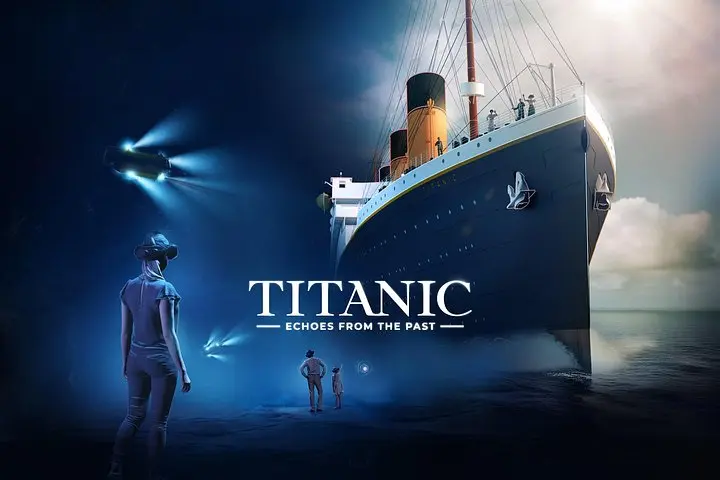
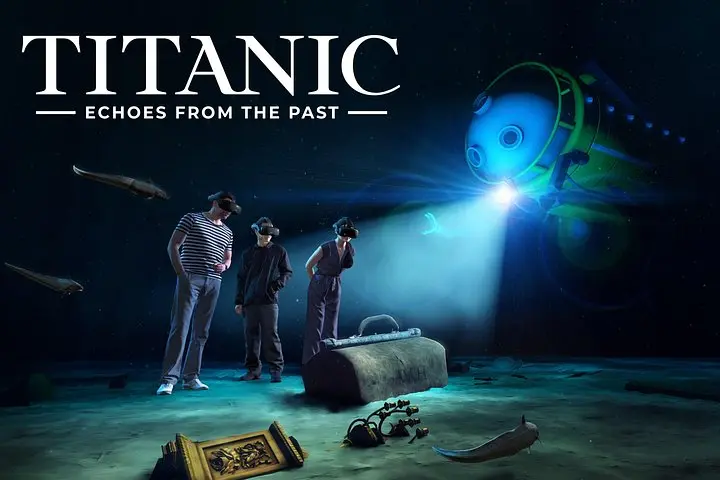
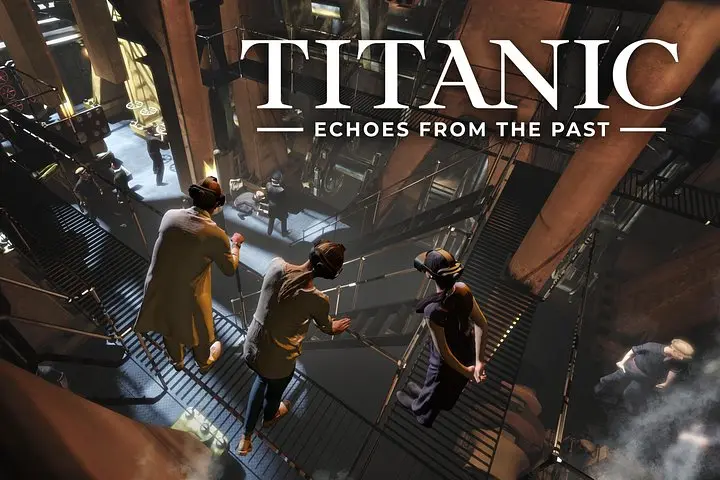
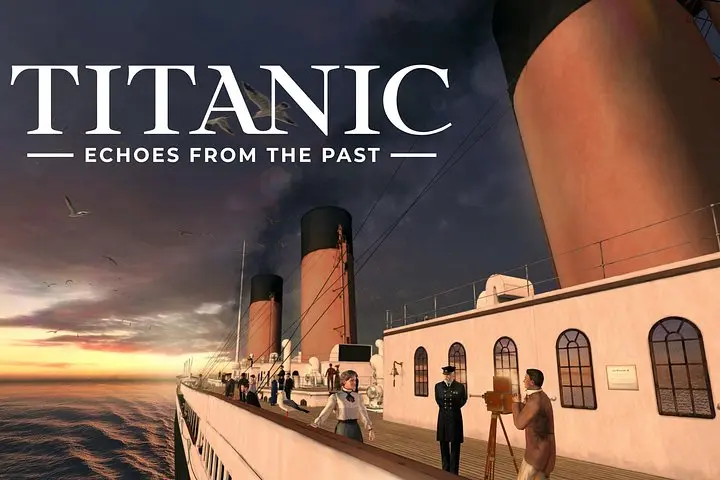
You don a headset in a compact Manhattan gallery and the city fades; the Atlantic deepens around you until pressure and silence become tangible. The VR reconstruction opens like a shuttered room on the ship—grand staircases, polished wood, and the hum of engines that once carried thousands. For thirty minutes the wreck is reimagined at its 3,800‑meter resting place, but the narrative pivots between the ship’s maiden‑voyage life and the slow, cold transformation on the ocean floor.
You don a headset in a compact Manhattan gallery and the city fades; the Atlantic deepens around you until pressure and silence become tangible. The VR reconstruction opens like a shuttered room on the ship—grand staircases, polished wood, and the hum of engines that once carried thousands. For thirty minutes the wreck is reimagined at its 3,800‑meter resting place, but the narrative pivots between the ship’s maiden‑voyage life and the slow, cold transformation on the ocean floor.
The story of Titanic is both maritime tragedy and early 20th‑century migration: built in Belfast, launched in 1912, its loss reshaped safety regulations and seared public memory in ports like New York. Geologically the wreck sits along the North Atlantic abyssal plain, a flat, silty seafloor where currents and microbial life slowly reclaim metal and wood. In New York the show links that deep‑sea environment with the city’s own harbor history—the docks, immigrant arrivals, and the era of grand liners.
Practical guidance is straightforward: the experience lasts about 45 minutes with a 30‑minute VR session; children under 8 are not allowed. The venue is accessible by public transit and wheelchair accessible, but the simulation is not recommended for people with heart conditions, epilepsy or severe vertigo. Arrive early to check in and secure storage for bags. If you’re prone to motion sickness, take precautions and consider shorter exposures. Bring photo ID and expect a controlled, seated experience rather than an active exhibit.
This is a curatorial, technology‑forward way to encounter Titanic—history made immediate without touching the fragile site itself.