THE ADVENTURE COLLECTIVE® · Independent discovery and booking for outdoor travel

A four-day guided circuit through Toro Toro National Park covers canyon viewpoints, dinosaur footprints, the Ciudad de Piedra and Bolivia’s largest caverns. Expect rocky trails, cool underground galleries and practical local hospitality.
A four-day guided circuit through Toro Toro National Park covers canyon viewpoints, dinosaur footprints, the Ciudad de Piedra and Bolivia’s largest caverns. Expect rocky trails, cool underground galleries and practical local hospitality.
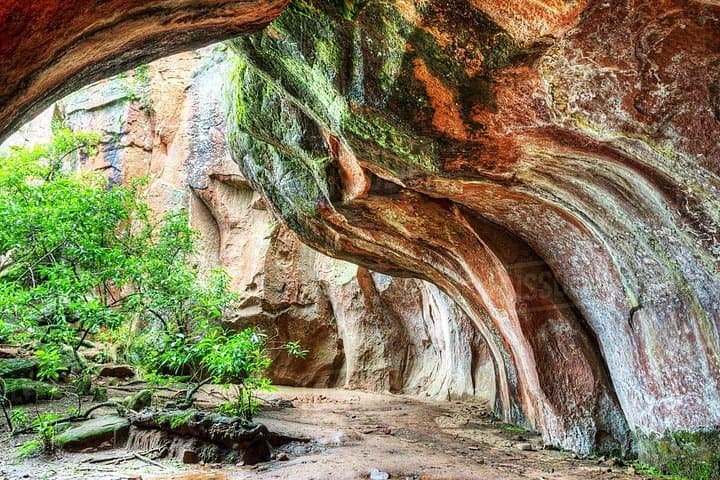
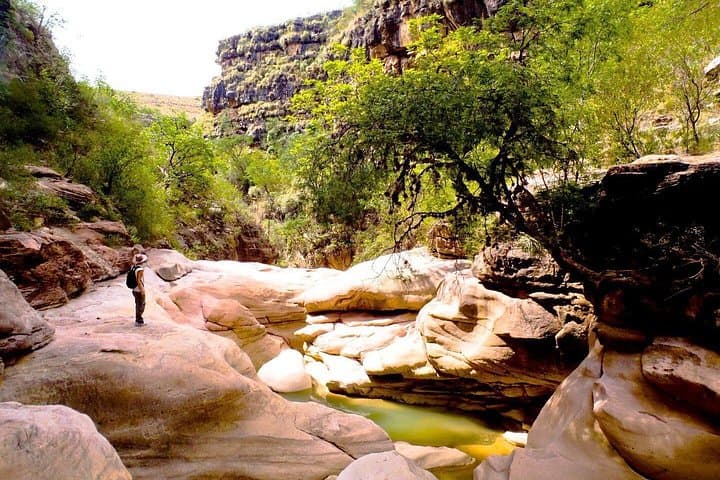
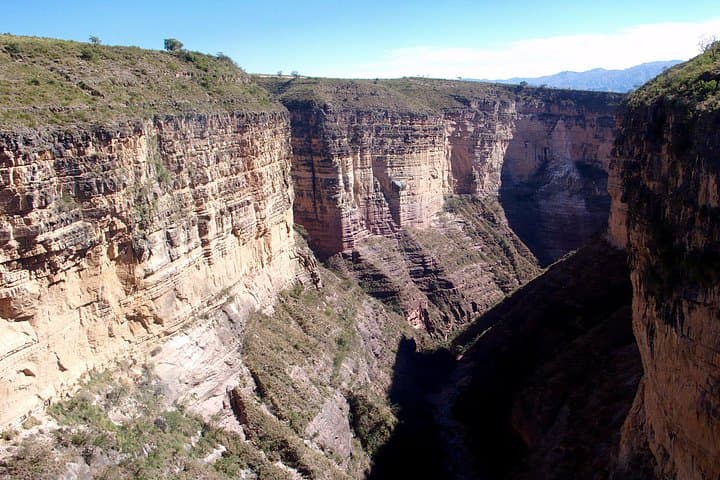
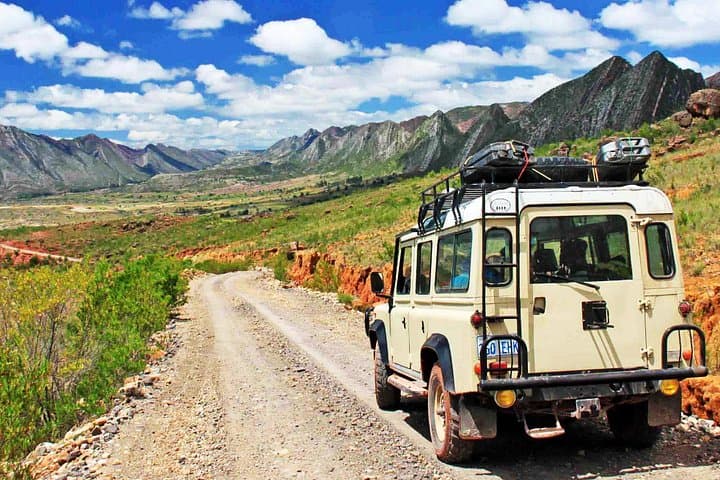
The morning light in Toro Toro slices across red-brown cliffs and dusted plateaus as a minivan eases onto the dirt road from Cochabamba. Dry scrub crackles under boot soles; the canyon yawns ahead, a layered wall carved by a river that still dares you to follow it down. Over four days, the park alternates between exposed canyon rims, cool caverns and narrow stair-stepped descents to waterfalls where pools wait for a shock of cold.
Verified experiences and guided adventures in the surrounding area.
Operated by Mapamundi Go · Toro Toro, Potosí Department
The morning light in Toro Toro slices across red-brown cliffs and dusted plateaus as a minivan eases onto the dirt road from Cochabamba. Dry scrub crackles under boot soles; the canyon yawns ahead, a layered wall carved by a river that still dares you to follow it down. Over four days, the park alternates between exposed canyon rims, cool caverns and narrow stair-stepped descents to waterfalls where pools wait for a shock of cold.
Toro Toro preserves Cretaceous and Quaternary fossils — an open book of ancient shallow seas now fossilized into sculpted rock. The Ciudad de Piedra is a maze of wind-sculpted towers and narrow passages that feel like walking through stone streets. Dinosaur footprints at Cerro Wayllas are visible impressions in compacted sediment, evidence of a much different climate and coastline millions of years ago. Local communities maintain artisanal pottery and textiles, and small museums display vertebrate fossils and burial sites that illuminate indigenous and colonial histories of the region.
Practical notes: expect daily hikes of 3–8 km on uneven, rocky trails with stair-like descents; elevation sits around 2,800–3,200 m, so allow time for mild altitude adjustment. Pack a headlamp for Umajalanta caverns and a light waterproof layer for canyon spray. Guides provide helmets, torches and most logistics; bring comfortable, grippy footwear for wet stones near El Vergel waterfall and a modest swimsuit for a quick swim.
Timing matters: mornings are cooler for canyon descents and footprints; afternoons heat the plateaus and make caves a welcome refuge. Respect marked paths, refrain from touching fossil beds, and carry out all waste to keep these fragile formations intact.
Hikes range from short walks to several hours on uneven, rocky trails with some steep stair-like sections; overall the tour is rated moderate and suitable for most active travelers.
Yes—guides supply helmets and torches for caverns like Umajalanta; bringing your own headlamp is recommended for redundancy.
Entrance fees to park attractions are included in this tour; no additional permits are typically required for standard visitor access.
Yes—you can enjoy the pools and views from the canyon rim; swimming is optional and should be avoided if you are not comfortable in water.
Mapamundi Go operates guided outdoor trips and adventures with an emphasis on safety, stewardship, and memorable experiences.
The morning light in Toro Toro slices across red-brown cliffs and dusted plateaus as a minivan eases onto the dirt road from Cochabamba. Dry scrub crackles under boot soles; the canyon yawns ahead, a layered wall carved by a river that still dares you to follow it down. Over four days, the park alternates between exposed canyon rims, cool caverns and narrow stair-stepped descents to waterfalls where pools wait for a shock of cold.
The morning light in Toro Toro slices across red-brown cliffs and dusted plateaus as a minivan eases onto the dirt road from Cochabamba. Dry scrub crackles under boot soles; the canyon yawns ahead, a layered wall carved by a river that still dares you to follow it down. Over four days, the park alternates between exposed canyon rims, cool caverns and narrow stair-stepped descents to waterfalls where pools wait for a shock of cold.
Toro Toro preserves Cretaceous and Quaternary fossils — an open book of ancient shallow seas now fossilized into sculpted rock. The Ciudad de Piedra is a maze of wind-sculpted towers and narrow passages that feel like walking through stone streets. Dinosaur footprints at Cerro Wayllas are visible impressions in compacted sediment, evidence of a much different climate and coastline millions of years ago. Local communities maintain artisanal pottery and textiles, and small museums display vertebrate fossils and burial sites that illuminate indigenous and colonial histories of the region.
Practical notes: expect daily hikes of 3–8 km on uneven, rocky trails with stair-like descents; elevation sits around 2,800–3,200 m, so allow time for mild altitude adjustment. Pack a headlamp for Umajalanta caverns and a light waterproof layer for canyon spray. Guides provide helmets, torches and most logistics; bring comfortable, grippy footwear for wet stones near El Vergel waterfall and a modest swimsuit for a quick swim.
Timing matters: mornings are cooler for canyon descents and footprints; afternoons heat the plateaus and make caves a welcome refuge. Respect marked paths, refrain from touching fossil beds, and carry out all waste to keep these fragile formations intact.