THE ADVENTURE COLLECTIVE® · Independent discovery and booking for outdoor travel

Travel from Hue to the DMZ on a day tour that pairs battlefield sites with subterranean village life at Vinh Moc. This full‑day outing combines driving, short walks and close‑up history for a grounded look at Vietnam’s wartime past.
Travel from Hue to the DMZ on a day tour that pairs battlefield sites with subterranean village life at Vinh Moc. This full‑day outing combines driving, short walks and close‑up history for a grounded look at Vietnam’s wartime past.
The day opens with the hush of the minivan pulling out of central Hue, rice paddies flattening into a low, coastal plain and the road slicing toward the old 17th Parallel.
Verified experiences and guided adventures in the surrounding area.
Operated by Authentic SAPA · Hue, Thua Thien-Hue
The day opens with the hush of the minivan pulling out of central Hue, rice paddies flattening into a low, coastal plain and the road slicing toward the old 17th Parallel.
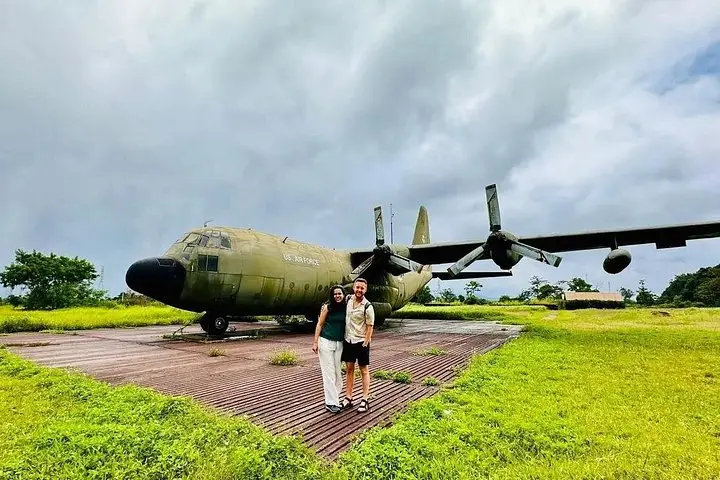
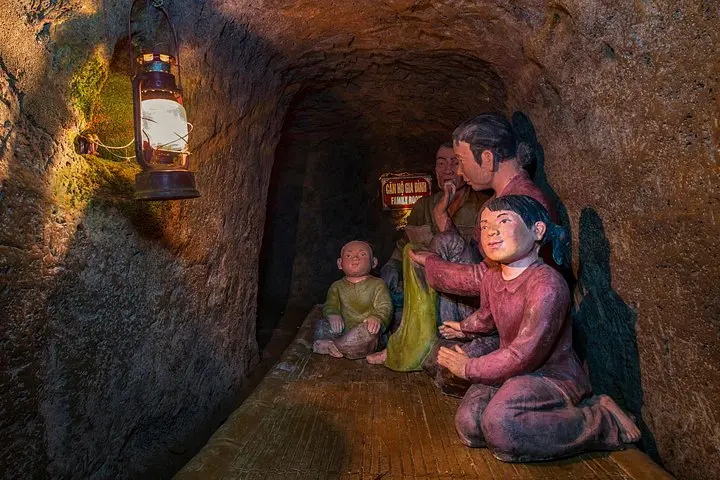
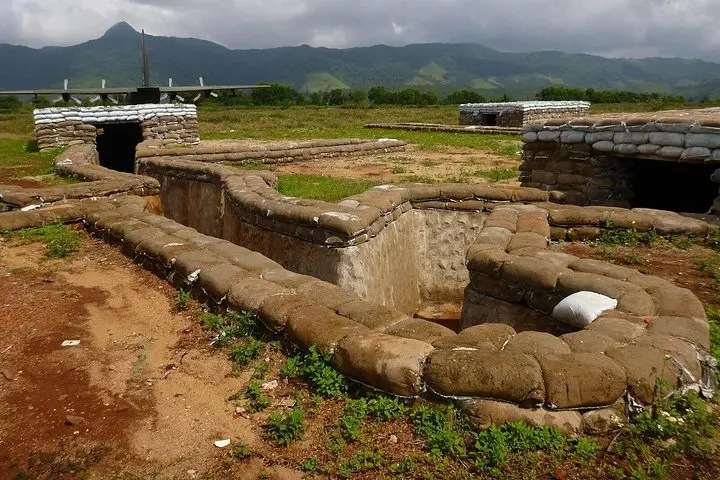
This full‑day route threads history and landscape: roadside memorials give way to the Hien Luong Bridge and the Ben Hai River, the physical line that once marked a divided country. Geologically the region is gentle—low hills, alluvial plains and coastal mudflats—but the scars of war are etched into every embankment and bunker. At Vinh Moc, sunlight spills into excavated tunnels where villagers carved living rooms, kitchens and clinics into limestone and volcanic silt to survive heavy bombardment. Further west, Khe Sanh’s former combat base sits near ridgelines that watched convoys and artillery movements; its sparse, wind‑blown fields still feel like a place that needs careful listening.
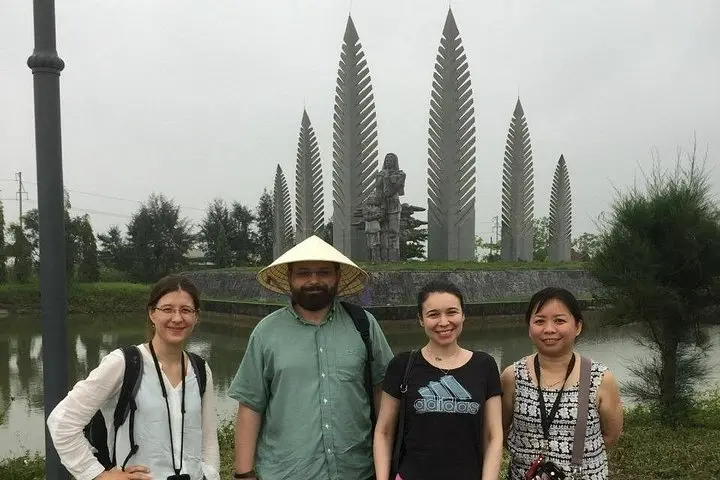
Culturally, guides weave local memory with national history—stories of resilience, migration and reconstruction—and small towns like Dong Ha offer raw glimpses into contemporary life between memorials.
Practically: expect long stretches in a comfortable 16‑seater minivan, short, guided walks, and tight passages if you enter tunnels. Bring sun protection, closed shoes for uneven sites and a light rain layer in the summer months. Be ready to move at a reflective pace—this is an educational field day as much as a walk through scenery. Respect memorial signs, follow your guide’s safety briefings in tunnel sections, and plan for an 11‑hour day with regular stops for water and photos.
Pickup is typically in central Hue; the full‑day tour returns to Hue the same evening.
Guides limit access to safe sections—expect low, narrow passages and short climbs; those with claustrophobia should remain near the entrance.
The tour includes a light lunch in Quang Tri and bottled water; notify the operator of dietary needs when booking.
It’s family‑friendly for those who can handle long vehicle rides and short walks; elderly or mobility‑limited visitors should note uneven terrain and tunnel steps.
Authentic SAPA operates guided outdoor trips and adventures with an emphasis on safety, stewardship, and memorable experiences.
The day opens with the hush of the minivan pulling out of central Hue, rice paddies flattening into a low, coastal plain and the road slicing toward the old 17th Parallel.
The day opens with the hush of the minivan pulling out of central Hue, rice paddies flattening into a low, coastal plain and the road slicing toward the old 17th Parallel.
This full‑day route threads history and landscape: roadside memorials give way to the Hien Luong Bridge and the Ben Hai River, the physical line that once marked a divided country. Geologically the region is gentle—low hills, alluvial plains and coastal mudflats—but the scars of war are etched into every embankment and bunker. At Vinh Moc, sunlight spills into excavated tunnels where villagers carved living rooms, kitchens and clinics into limestone and volcanic silt to survive heavy bombardment. Further west, Khe Sanh’s former combat base sits near ridgelines that watched convoys and artillery movements; its sparse, wind‑blown fields still feel like a place that needs careful listening.
Culturally, guides weave local memory with national history—stories of resilience, migration and reconstruction—and small towns like Dong Ha offer raw glimpses into contemporary life between memorials.
Practically: expect long stretches in a comfortable 16‑seater minivan, short, guided walks, and tight passages if you enter tunnels. Bring sun protection, closed shoes for uneven sites and a light rain layer in the summer months. Be ready to move at a reflective pace—this is an educational field day as much as a walk through scenery. Respect memorial signs, follow your guide’s safety briefings in tunnel sections, and plan for an 11‑hour day with regular stops for water and photos.