THE ADVENTURE COLLECTIVE® · Independent discovery and booking for outdoor travel

Drive into a crimson desert where sandstone towers, natural arches and ancient inscriptions await. This five- to six-hour Wadi Rum day tour mixes 4x4 rides with short walks to Burdah Rock Bridge, Khazali Canyon and Lawrence’s Spring.
Drive into a crimson desert where sandstone towers, natural arches and ancient inscriptions await. This five- to six-hour Wadi Rum day tour mixes 4x4 rides with short walks to Burdah Rock Bridge, Khazali Canyon and Lawrence’s Spring.
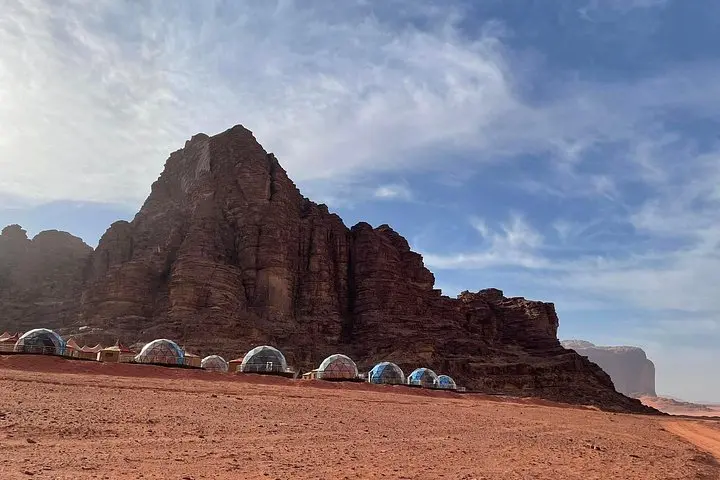
The engine hums, the 4x4 kicks up a rust-orange plume, and the first slabs of sandstone rise like citadels from the flat desert. In Wadi Rum a single day can feel cinematic: you follow sandy tracks between sheer walls, cross open pans where wind polishes the stone, and stop at narrow slots that funnel sunlight into blue shadows.
Verified experiences and guided adventures in the surrounding area.
Operated by Aqaba Moments Travel · Wadi Rum Village, Ma'an Governorate
The engine hums, the 4x4 kicks up a rust-orange plume, and the first slabs of sandstone rise like citadels from the flat desert. In Wadi Rum a single day can feel cinematic: you follow sandy tracks between sheer walls, cross open pans where wind polishes the stone, and stop at narrow slots that funnel sunlight into blue shadows.
This landscape has been written into history — Lawrence of Arabia passed through and left a name at Lawrence’s Spring — but the human story is older: Nabatean and prehistoric petroglyphs carve people, camels, and battle scenes into canyon walls. Geologically Wadi Rum is a playground of fractured sandstone and granite; millennia of wind and flash floods have sculpted arches, bridges and deep clefts such as Khazali and Burrah.
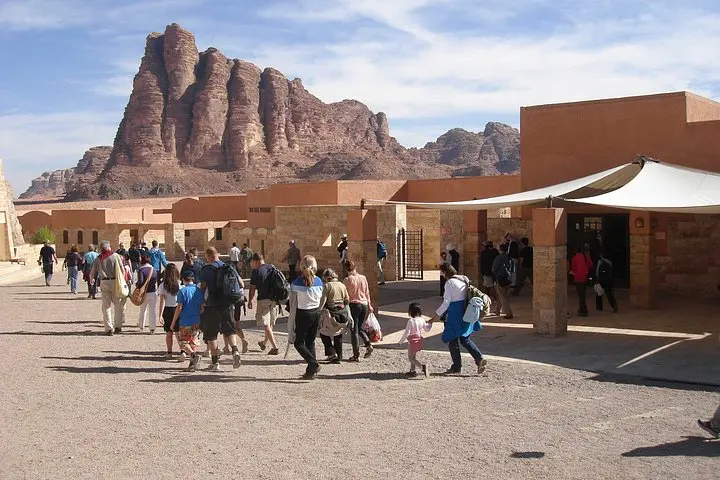
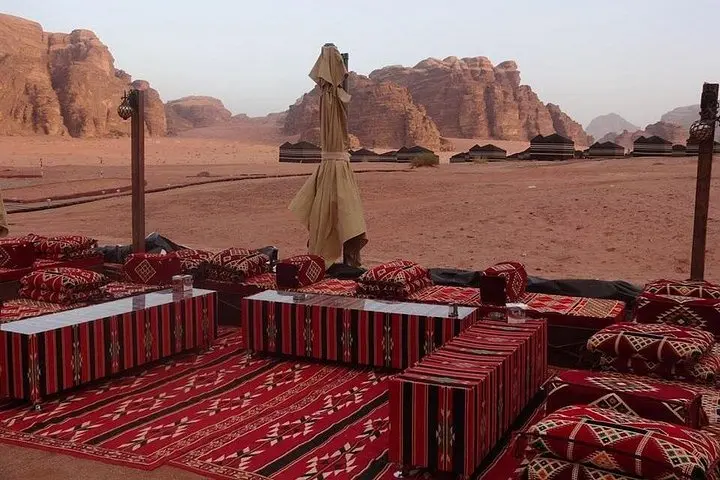
Local Bedouin communities run the guiding economy; many tours include short walks to inscriptions and viewpoints, and evening camps further out on the plain. Hidden features like quiet sand ridges behind the Seven Pillars reward a slow eye, and early light turns the Burdah Rock Bridge into a clean silhouette.
Practically, expect a blend of driven exploration and short hikes—bring sun protection, at least 1.5–2 liters of water, sturdy shoes for sandy and rocky footing, and a camera with a polarizer for sharper skies. Mornings and late afternoons are best for photos and moderate temperatures; mid-day is hot and dusty. Respect private Bedouin camps, leave no trace, and check pickup logistics in Aqaba or Wadi Rum Village. With basic preparation, a day here delivers dramatic geology, tangible history, and desert silence that pushes you forward.
The tour runs approximately 5–6 hours, combining 4x4 driving with stops for short hikes and viewpoints.
Yes; the itinerary is rated easy with vehicle access to major sites, but expect dust and uneven short walks—check infant seat availability if needed.
Yes; the tour typically stops at Khazali Canyon, Lawrence’s Spring and viewpoints like the Seven Pillars, with time to view rock inscriptions.
Wadi Rum is a protected area; most operators include a local Bedouin guide and 4x4 transport and handle any park fees on your behalf.
Aqaba Moments Travel operates guided outdoor trips and adventures with an emphasis on safety, stewardship, and memorable experiences.
The engine hums, the 4x4 kicks up a rust-orange plume, and the first slabs of sandstone rise like citadels from the flat desert. In Wadi Rum a single day can feel cinematic: you follow sandy tracks between sheer walls, cross open pans where wind polishes the stone, and stop at narrow slots that funnel sunlight into blue shadows.
The engine hums, the 4x4 kicks up a rust-orange plume, and the first slabs of sandstone rise like citadels from the flat desert. In Wadi Rum a single day can feel cinematic: you follow sandy tracks between sheer walls, cross open pans where wind polishes the stone, and stop at narrow slots that funnel sunlight into blue shadows.
This landscape has been written into history — Lawrence of Arabia passed through and left a name at Lawrence’s Spring — but the human story is older: Nabatean and prehistoric petroglyphs carve people, camels, and battle scenes into canyon walls. Geologically Wadi Rum is a playground of fractured sandstone and granite; millennia of wind and flash floods have sculpted arches, bridges and deep clefts such as Khazali and Burrah.
Local Bedouin communities run the guiding economy; many tours include short walks to inscriptions and viewpoints, and evening camps further out on the plain. Hidden features like quiet sand ridges behind the Seven Pillars reward a slow eye, and early light turns the Burdah Rock Bridge into a clean silhouette.
Practically, expect a blend of driven exploration and short hikes—bring sun protection, at least 1.5–2 liters of water, sturdy shoes for sandy and rocky footing, and a camera with a polarizer for sharper skies. Mornings and late afternoons are best for photos and moderate temperatures; mid-day is hot and dusty. Respect private Bedouin camps, leave no trace, and check pickup logistics in Aqaba or Wadi Rum Village. With basic preparation, a day here delivers dramatic geology, tangible history, and desert silence that pushes you forward.