THE ADVENTURE COLLECTIVE® · Independent discovery and booking for outdoor travel

Experience Yellowstone as few do—a winter wildlife safari from Paradise Valley that reveals the raw, thriving life of the park’s Northern Range. Witness bison, wolves, and elk navigating snow-blanketed landscapes on this immersive full-day tour.
Experience Yellowstone as few do—a winter wildlife safari from Paradise Valley that reveals the raw, thriving life of the park’s Northern Range. Witness bison, wolves, and elk navigating snow-blanketed landscapes on this immersive full-day tour.
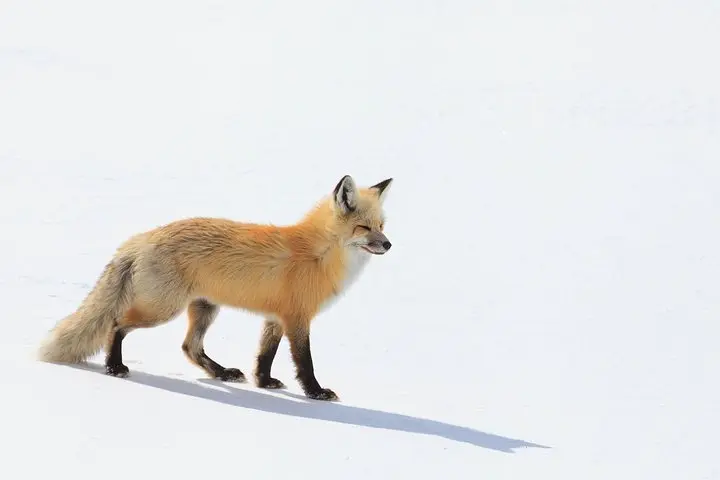
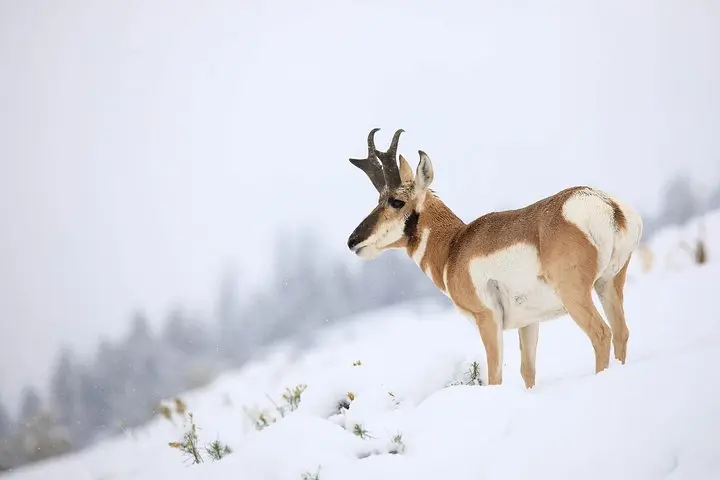
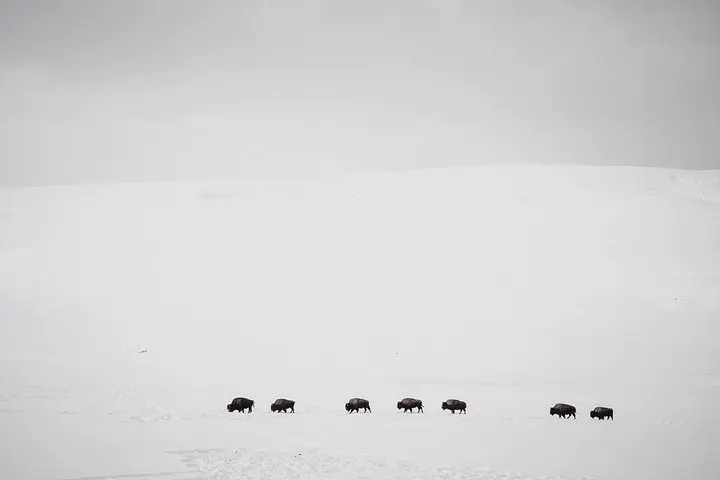
Winter settles over the Greater Yellowstone Ecosystem like a hush, stretching the landscape into stark contrasts of white snow and dark evergreens. On this full-day Yellowstone Winter Wildlife Safari from Paradise Valley, the quiet is deceptive—beneath it pulses a riveting scene of life adapted to harsh conditions. As the frosted air bites at your cheeks, your vehicle threads along the narrow winter-open roads weaving between enveloping mountain ranges and river corridors, each turn revealing bison herds wallowing through snowdrifts or elk standing like sentinels at the forest edge.
Verified experiences and guided adventures in the surrounding area.
Operated by Yellowstone Safari Co. · Livingston, Montana
Winter settles over the Greater Yellowstone Ecosystem like a hush, stretching the landscape into stark contrasts of white snow and dark evergreens. On this full-day Yellowstone Winter Wildlife Safari from Paradise Valley, the quiet is deceptive—beneath it pulses a riveting scene of life adapted to harsh conditions. As the frosted air bites at your cheeks, your vehicle threads along the narrow winter-open roads weaving between enveloping mountain ranges and river corridors, each turn revealing bison herds wallowing through snowdrifts or elk standing like sentinels at the forest edge.
The journey centers on the Northern Range, a stretch from Mammoth Hot Springs north to Cooke City, where winter retreats squeeze wildlife into visible, sometimes breathtaking clusters. This region, often called North America's Serengeti, balances raw wilderness with accessibility—a rare window into the park's ecosystem during its toughest season.
Geologically, the Absaroka and Gallatin Ranges frame the valley, their ancient volcanic origins sculpting rugged terrain. The Yellowstone River snakes through the valley, its icy currents still daring trout beneath thin ice layers. Mammoth Hot Springs displays steaming terraces, testaments to geothermal forces, their colors intensified against the snow's muted palette.
Culturally, this safari not only pursues wildlife but also heritage: a pause at the Roosevelt Arch, the historic northern park gateway built from columnar basalt, grounds the experience in over a century of conservation history. Stops at the Albright Visitor Center, once cavalry quarters, add layers of context to the natural spectacle unfolding.
Travelers should prepare for a full day's immersion—expect 8 to 9 hours of guided exploration mostly from the comfort of a heated vehicle, punctuated by brief pauses for wildlife viewing. Dressing in warm layers, with insulated waterproof boots and gloves, is essential. Binoculars and spotting scopes complement guide narration, revealing hidden details in the expansive winter landscape.
Though the temperatures dip, the thrill of witnessing wolves on the prowl, bison herds pushing through snow, and the velvet stillness broken only by a distant call makes the cold worthwhile. Snack breaks with local, organic provisions keep energy steady.
This tour is suitable for all fitness levels and requires no special skills—perfect for wildlife photographers, nature lovers, or anyone seeking an active but comfortable introduction to Yellowstone’s winter wildness. Arrive early in Paradise Valley or nearby Livingston, Montana, the gateway towns offering lodging and local flavor.
Yellowstone’s winter quiet invites you to observe resilience writ large. The animals’ survival story plays out against landscapes shaped eons ago, reminding visitors how deep and dynamic this American wilderness remains—even under the snow's calm.
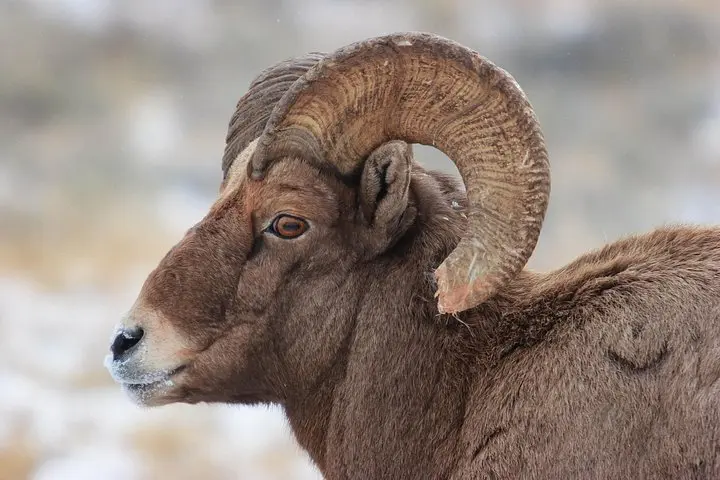
You may see bison, elk, gray wolves, mule deer, moose, bighorn sheep, mountain goats, and other animals adapted to Yellowstone's winter conditions.
Winter temperatures typically range from 0°F to 30°F (-18°C to -1°C), so dressing in warm layers is essential.
No, the safari is mostly vehicle-based with short stops, suitable for all fitness levels.
Yes, a picnic lunch featuring local seasonal ingredients and a variety of snacks are included.
Children aged 8 and older are welcome; if you require a car seat, you must bring it with you.
No, park entrance fees and gratuities are not included and must be paid separately.
Yellowstone Safari Co. operates guided outdoor trips and adventures with an emphasis on safety, stewardship, and memorable experiences.
Winter settles over the Greater Yellowstone Ecosystem like a hush, stretching the landscape into stark contrasts of white snow and dark evergreens. On this full-day Yellowstone Winter Wildlife Safari from Paradise Valley, the quiet is deceptive—beneath it pulses a riveting scene of life adapted to harsh conditions. As the frosted air bites at your cheeks, your vehicle threads along the narrow winter-open roads weaving between enveloping mountain ranges and river corridors, each turn revealing bison herds wallowing through snowdrifts or elk standing like sentinels at the forest edge.
Winter settles over the Greater Yellowstone Ecosystem like a hush, stretching the landscape into stark contrasts of white snow and dark evergreens. On this full-day Yellowstone Winter Wildlife Safari from Paradise Valley, the quiet is deceptive—beneath it pulses a riveting scene of life adapted to harsh conditions. As the frosted air bites at your cheeks, your vehicle threads along the narrow winter-open roads weaving between enveloping mountain ranges and river corridors, each turn revealing bison herds wallowing through snowdrifts or elk standing like sentinels at the forest edge.
The journey centers on the Northern Range, a stretch from Mammoth Hot Springs north to Cooke City, where winter retreats squeeze wildlife into visible, sometimes breathtaking clusters. This region, often called North America's Serengeti, balances raw wilderness with accessibility—a rare window into the park's ecosystem during its toughest season.
Geologically, the Absaroka and Gallatin Ranges frame the valley, their ancient volcanic origins sculpting rugged terrain. The Yellowstone River snakes through the valley, its icy currents still daring trout beneath thin ice layers. Mammoth Hot Springs displays steaming terraces, testaments to geothermal forces, their colors intensified against the snow's muted palette.
Culturally, this safari not only pursues wildlife but also heritage: a pause at the Roosevelt Arch, the historic northern park gateway built from columnar basalt, grounds the experience in over a century of conservation history. Stops at the Albright Visitor Center, once cavalry quarters, add layers of context to the natural spectacle unfolding.
Travelers should prepare for a full day's immersion—expect 8 to 9 hours of guided exploration mostly from the comfort of a heated vehicle, punctuated by brief pauses for wildlife viewing. Dressing in warm layers, with insulated waterproof boots and gloves, is essential. Binoculars and spotting scopes complement guide narration, revealing hidden details in the expansive winter landscape.
Though the temperatures dip, the thrill of witnessing wolves on the prowl, bison herds pushing through snow, and the velvet stillness broken only by a distant call makes the cold worthwhile. Snack breaks with local, organic provisions keep energy steady.
This tour is suitable for all fitness levels and requires no special skills—perfect for wildlife photographers, nature lovers, or anyone seeking an active but comfortable introduction to Yellowstone’s winter wildness. Arrive early in Paradise Valley or nearby Livingston, Montana, the gateway towns offering lodging and local flavor.
Yellowstone’s winter quiet invites you to observe resilience writ large. The animals’ survival story plays out against landscapes shaped eons ago, reminding visitors how deep and dynamic this American wilderness remains—even under the snow's calm.