THE ADVENTURE COLLECTIVE® · Independent discovery and booking for outdoor travel

Step underground in Maastricht to walk corridors that sheltered thousands during WWII. This guided 70-minute tour combines geology, local history and accessible cave passages — a cool, compact introduction to Sint-Pietersberg’s hidden world.
Step underground in Maastricht to walk corridors that sheltered thousands during WWII. This guided 70-minute tour combines geology, local history and accessible cave passages — a cool, compact introduction to Sint-Pietersberg’s hidden world.
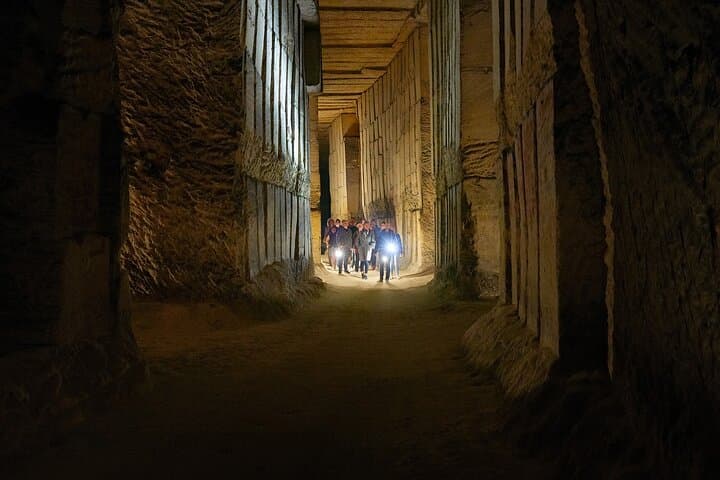
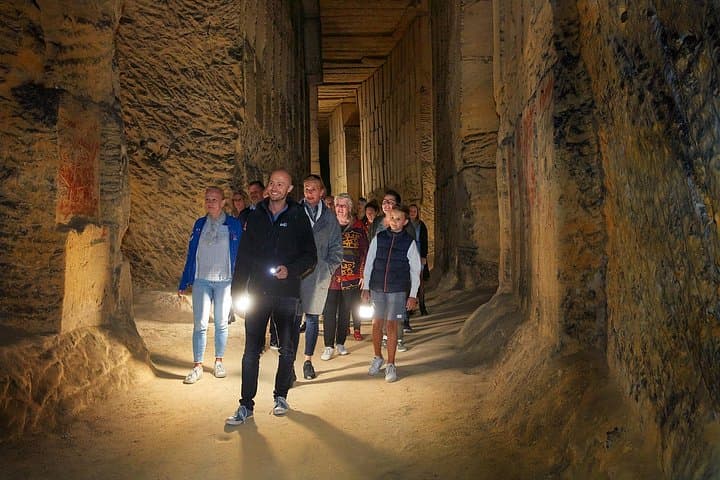
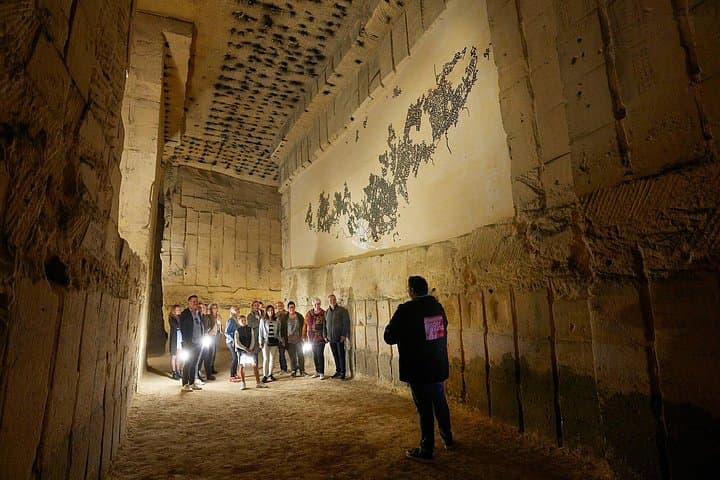
You duck beneath a low, cool arch and the city noise fades — the cave swallows sound and holds it, as if the walls remember every footstep. Light from your guide's lamp picks out chalky bands and hand-painted names on the marl, a human ledger carved into stone.
Verified experiences and guided adventures in the surrounding area.
Operated by Explore Maastricht · Maastricht, Limburg
You duck beneath a low, cool arch and the city noise fades — the cave swallows sound and holds it, as if the walls remember every footstep. Light from your guide's lamp picks out chalky bands and hand-painted names on the marl, a human ledger carved into stone.
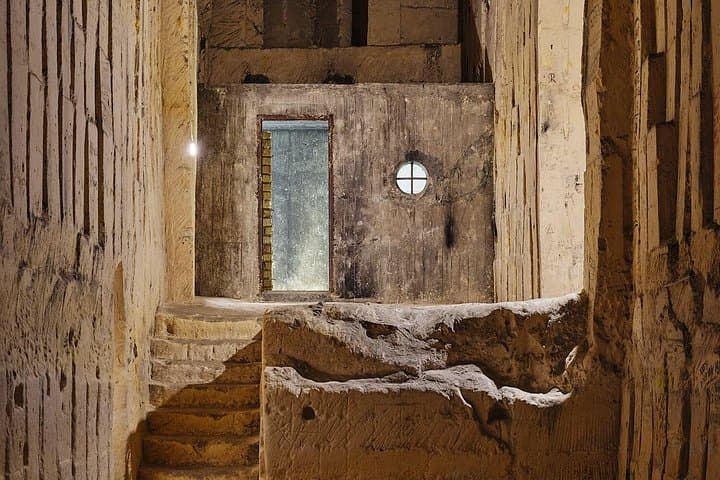
The Zonneberg network is part of the larger Sint-Pietersberg marl complex carved over centuries for building stone. During World War II, these tunnels were refitted as an emergency refuge capable of sheltering thousands; remnants of bunks, alcoves and faint inscriptions still mark the passages. Geologically, the caves are layers of soft limestone (marl), easily worked by quarrymen and now weathering into high-ceilinged corridors and occasional low ribs.
Culturally, the caves sit at the edge of Maastricht’s fortress landscape — forts, quarries and cutting-edge conservation projects interplay here. Local guides blend geology with wartime stories, pointing out bakeries, pumping stations and the scrawled names left by past workers.
Practical guidance: tours run about 70 minutes and are suitable for most ages; reservations are recommended and spaces are limited. Temperatures remain cool year-round, so bring a warm layer and steady shoes with grip; paths are mostly flat and wheelchair-accessible, but slippery in places. Photography is allowed but use a low-power flash and be mindful of fragile surfaces. Arrive 10–15 minutes early, listen to safety briefings, and follow the guide — the cave’s narrow turns and low roofs reward attention more than speed.
Yes — the Zonneberg route used for guided tours is reported as wheelchair accessible, but contact the operator in advance to arrange assistance and confirm access details.
Photography is allowed; avoid using powerful flashes near fragile markings and follow guide instructions to protect historical surfaces.
Yes — the tour is suitable for ages 4 and up, though children should be supervised and prepared for low light and cool temperatures.
Full refunds are available if you cancel at least 24 hours before the scheduled departure; check your booking confirmation for specifics.
Explore Maastricht operates guided outdoor trips and adventures with an emphasis on safety, stewardship, and memorable experiences.
You duck beneath a low, cool arch and the city noise fades — the cave swallows sound and holds it, as if the walls remember every footstep. Light from your guide's lamp picks out chalky bands and hand-painted names on the marl, a human ledger carved into stone.
You duck beneath a low, cool arch and the city noise fades — the cave swallows sound and holds it, as if the walls remember every footstep. Light from your guide's lamp picks out chalky bands and hand-painted names on the marl, a human ledger carved into stone.
The Zonneberg network is part of the larger Sint-Pietersberg marl complex carved over centuries for building stone. During World War II, these tunnels were refitted as an emergency refuge capable of sheltering thousands; remnants of bunks, alcoves and faint inscriptions still mark the passages. Geologically, the caves are layers of soft limestone (marl), easily worked by quarrymen and now weathering into high-ceilinged corridors and occasional low ribs.
Culturally, the caves sit at the edge of Maastricht’s fortress landscape — forts, quarries and cutting-edge conservation projects interplay here. Local guides blend geology with wartime stories, pointing out bakeries, pumping stations and the scrawled names left by past workers.
Practical guidance: tours run about 70 minutes and are suitable for most ages; reservations are recommended and spaces are limited. Temperatures remain cool year-round, so bring a warm layer and steady shoes with grip; paths are mostly flat and wheelchair-accessible, but slippery in places. Photography is allowed but use a low-power flash and be mindful of fragile surfaces. Arrive 10–15 minutes early, listen to safety briefings, and follow the guide — the cave’s narrow turns and low roofs reward attention more than speed.