THE ADVENTURE COLLECTIVE® · Independent discovery and booking for outdoor travel

A compact six-day loop through Delhi, Agra and Jaipur with side trips to Mathura and Vrindavan. Expect long driving days balanced by short walks at iconic monuments, sunrise Taj views, and temple rituals along the Yamuna.
A compact six-day loop through Delhi, Agra and Jaipur with side trips to Mathura and Vrindavan. Expect long driving days balanced by short walks at iconic monuments, sunrise Taj views, and temple rituals along the Yamuna.
You step out into a morning in Jaipur and the city breathes around you — horns, a shawl of spice from a street stall, sandstone walls warming under the sun. Over six days this loop pushes through layers of history: Delhi’s colonial boulevards and mustard-yellow markets, Agra’s marble hush at the Taj, Jaipur’s painted palaces, then the devotional riverbanks of Mathura and Vrindavan where temple bells punctuate the air.
Verified experiences and guided adventures in the surrounding area.
Operated by Rajasthan Dream Vacations · Jaipur, Rajasthan
You step out into a morning in Jaipur and the city breathes around you — horns, a shawl of spice from a street stall, sandstone walls warming under the sun. Over six days this loop pushes through layers of history: Delhi’s colonial boulevards and mustard-yellow markets, Agra’s marble hush at the Taj, Jaipur’s painted palaces, then the devotional riverbanks of Mathura and Vrindavan where temple bells punctuate the air.
The route traces Mughal-era river plains and the Aravalli foothills; drives between cities are typically 3–5 hours on surfaced highways with occasional rough stretches near small towns. You’ll see Rajput fort masonry, Mughal pietra dura inlay, and British-era bungalows — architectures that chronicle conquest, courtly life, and trade. Local culture moves at a practical rhythm: bazaars open before dawn, prayer rituals spike at dusk, and roadside chai pauses stitch the day together.
Practical guidance: the itinerary is largely vehicle-based with short walks around monuments and markets, suitable for most fitness levels. Expect full days of sightseeing—plan for early starts to avoid midday heat and crowds at the Taj. Carry a lightweight daypack, water, and respectful attire for temples (shoulders and knees covered). Currency is cash-forward in smaller towns; tip drivers and guides separately.
Timing matters: winter months are cooler and clearer for photography; summers bring heat and afternoon haze. Photography restrictions apply at many sites; keep passport copies handy for monument entry. With a private AC vehicle and guide included on booked options, the tour is geared for comfortable, concentrated cultural exploration rather than wilderness trekking.
Yes — the tour description notes an air-conditioned private vehicle and chauffeur-driven transfers when booked with the tour option.
Entrance policies vary; some booking options include guide services and tickets, but check the specific package — carry extra cash for any onsite fees not covered.
October–March (fall and winter) offers cooler temperatures and clearer skies for sightseeing; summers are very hot and monsoon can affect travel comfort.
Yes — modest clothing that covers shoulders and knees is recommended for temples; footwear may need to be removed in sanctified areas.
Rajasthan Dream Vacations operates guided outdoor trips and adventures with an emphasis on safety, stewardship, and memorable experiences.
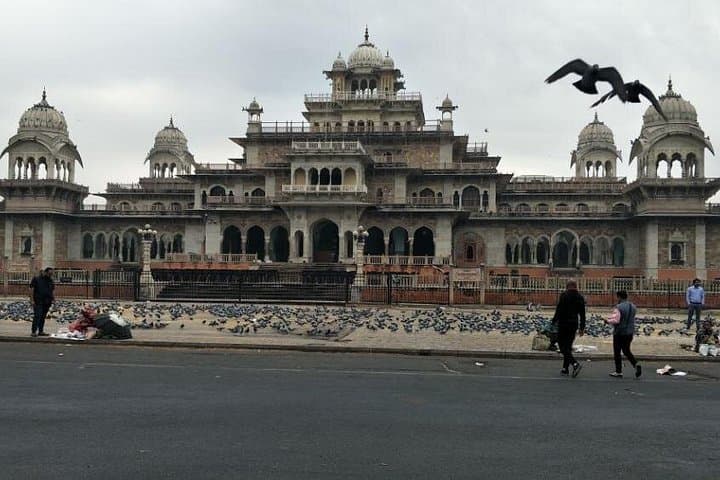
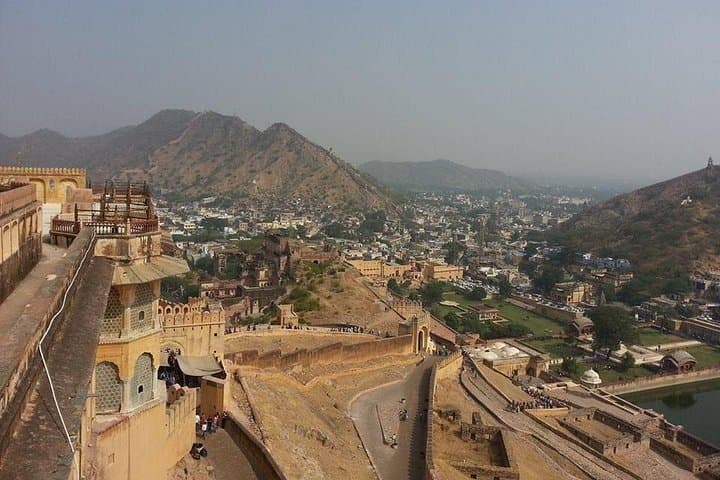
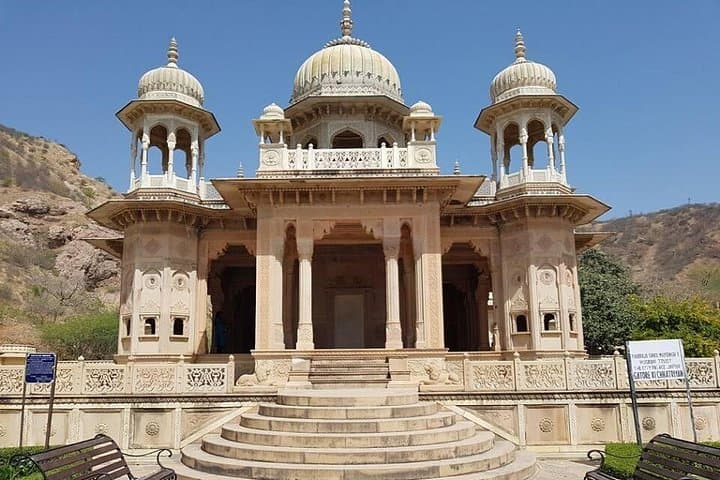
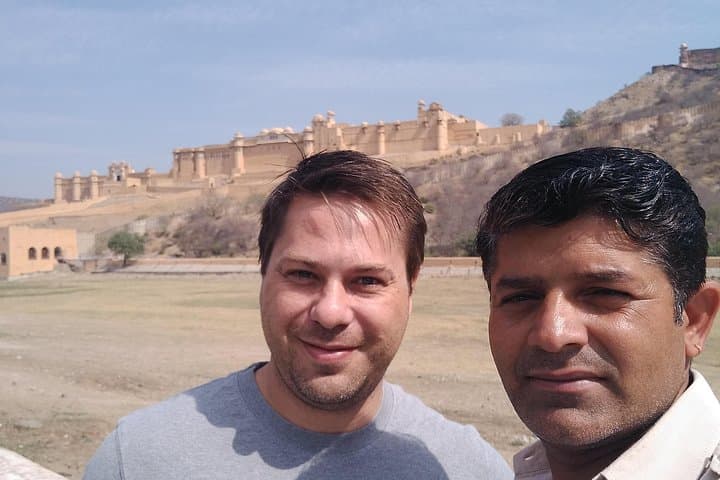
You step out into a morning in Jaipur and the city breathes around you — horns, a shawl of spice from a street stall, sandstone walls warming under the sun. Over six days this loop pushes through layers of history: Delhi’s colonial boulevards and mustard-yellow markets, Agra’s marble hush at the Taj, Jaipur’s painted palaces, then the devotional riverbanks of Mathura and Vrindavan where temple bells punctuate the air.
You step out into a morning in Jaipur and the city breathes around you — horns, a shawl of spice from a street stall, sandstone walls warming under the sun. Over six days this loop pushes through layers of history: Delhi’s colonial boulevards and mustard-yellow markets, Agra’s marble hush at the Taj, Jaipur’s painted palaces, then the devotional riverbanks of Mathura and Vrindavan where temple bells punctuate the air.
The route traces Mughal-era river plains and the Aravalli foothills; drives between cities are typically 3–5 hours on surfaced highways with occasional rough stretches near small towns. You’ll see Rajput fort masonry, Mughal pietra dura inlay, and British-era bungalows — architectures that chronicle conquest, courtly life, and trade. Local culture moves at a practical rhythm: bazaars open before dawn, prayer rituals spike at dusk, and roadside chai pauses stitch the day together.
Practical guidance: the itinerary is largely vehicle-based with short walks around monuments and markets, suitable for most fitness levels. Expect full days of sightseeing—plan for early starts to avoid midday heat and crowds at the Taj. Carry a lightweight daypack, water, and respectful attire for temples (shoulders and knees covered). Currency is cash-forward in smaller towns; tip drivers and guides separately.
Timing matters: winter months are cooler and clearer for photography; summers bring heat and afternoon haze. Photography restrictions apply at many sites; keep passport copies handy for monument entry. With a private AC vehicle and guide included on booked options, the tour is geared for comfortable, concentrated cultural exploration rather than wilderness trekking.