THE ADVENTURE COLLECTIVE® · Independent discovery and booking for outdoor travel

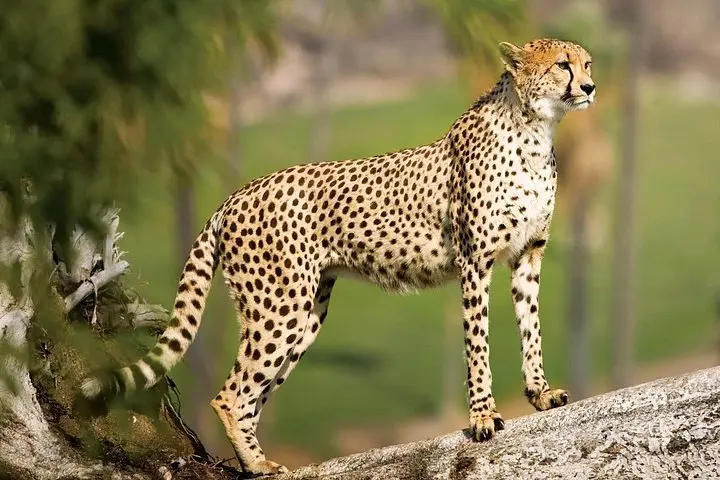
Spend eight days tracking the Great Migration from Tarangire to the Mara River and descend into Ngorongoro Crater. This route maximizes chances for river crossings, big cats, and immersive cultural encounters with Maasai communities.
Spend eight days tracking the Great Migration from Tarangire to the Mara River and descend into Ngorongoro Crater. This route maximizes chances for river crossings, big cats, and immersive cultural encounters with Maasai communities.
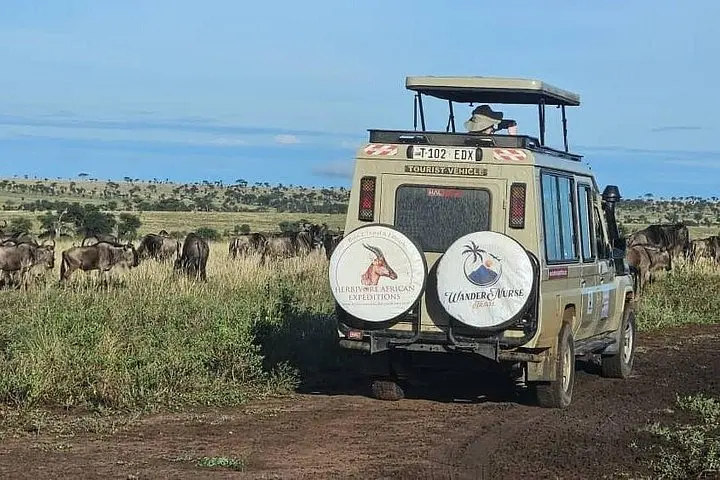
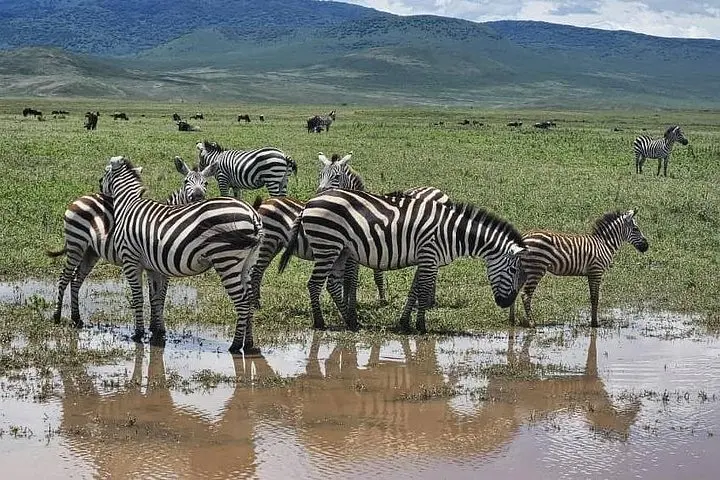
Dawn breaks over a grassland that seems to breathe—gold blades sway as thousands of hooves press toward the Mara River. The air smells of dust and crushed grasses; hippos grumble beneath the river’s sheen while crocodiles sit like knotted logs, patient and lethal. This eight-day safari places you at the edge of that drama, with long game drives across Tarangire’s baobab-dotted plains, the endless sweep of the Serengeti and the green-brimmed bowl of Ngorongoro.
Verified experiences and guided adventures in the surrounding area.
Operated by Herbivore African Expeditions · Arusha, Arusha Region
Dawn breaks over a grassland that seems to breathe—gold blades sway as thousands of hooves press toward the Mara River. The air smells of dust and crushed grasses; hippos grumble beneath the river’s sheen while crocodiles sit like knotted logs, patient and lethal. This eight-day safari places you at the edge of that drama, with long game drives across Tarangire’s baobab-dotted plains, the endless sweep of the Serengeti and the green-brimmed bowl of Ngorongoro.
The Serengeti’s geology is mostly ancient volcanic and sedimentary plains shaped by tectonic uplift and river erosion; Ngorongoro itself is an unbroken caldera formed by a massive volcanic collapse. Human history here stretches from Maasai pastoral traditions to Olduvai Gorge’s fossil clues to early hominins—places where culture and deep time meet the present-day migration.
Expect extended daylight drives, quiet mornings tracking predator movements, and picnic lunches under wide skies. Lodges and tented camps on the itinerary are midrange and strategically placed to maximize viewing time; roads can be corrugated and long transfers are the norm.
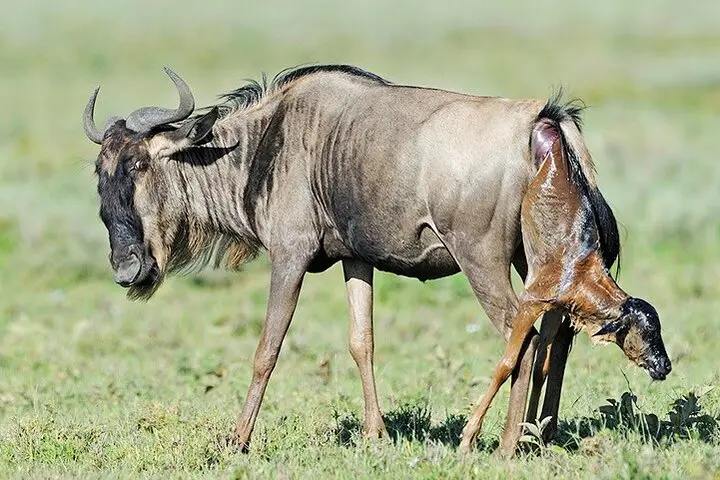
Practical guidance: travel light but bring layers for cool early mornings, a good telephoto lens and binoculars, malaria prophylaxis, and sturdy travel insurance. Hydrate between drives and follow your guide’s instructions near water and large herds—animals set the tempo, and safety depends on watching them, not approaching them. Peak river-crossing months are June–October in the north; if you prefer calving season and intense predator activity, target January–March. With planning, this itinerary balances spectacle, cultural context, and logistical ease for a full, focused safari experience.
June–October is the most reliable window for northern Serengeti crossings when herds move north; July–September are peak months.
Yes—many lodges accommodate families, but long drives, dust and early starts can be challenging for very young children; check age policies with the operator.
Yellow fever may be required depending on origin; malaria prophylaxis is recommended—consult a travel clinic well before departure.
Guides keep a safe distance; the itinerary emphasizes viewing from vehicles and designated viewpoints—no off-vehicle approaches unless authorized and safe.
Herbivore African Expeditions operates guided outdoor trips and adventures with an emphasis on safety, stewardship, and memorable experiences.
Dawn breaks over a grassland that seems to breathe—gold blades sway as thousands of hooves press toward the Mara River. The air smells of dust and crushed grasses; hippos grumble beneath the river’s sheen while crocodiles sit like knotted logs, patient and lethal. This eight-day safari places you at the edge of that drama, with long game drives across Tarangire’s baobab-dotted plains, the endless sweep of the Serengeti and the green-brimmed bowl of Ngorongoro.
Dawn breaks over a grassland that seems to breathe—gold blades sway as thousands of hooves press toward the Mara River. The air smells of dust and crushed grasses; hippos grumble beneath the river’s sheen while crocodiles sit like knotted logs, patient and lethal. This eight-day safari places you at the edge of that drama, with long game drives across Tarangire’s baobab-dotted plains, the endless sweep of the Serengeti and the green-brimmed bowl of Ngorongoro.
The Serengeti’s geology is mostly ancient volcanic and sedimentary plains shaped by tectonic uplift and river erosion; Ngorongoro itself is an unbroken caldera formed by a massive volcanic collapse. Human history here stretches from Maasai pastoral traditions to Olduvai Gorge’s fossil clues to early hominins—places where culture and deep time meet the present-day migration.
Expect extended daylight drives, quiet mornings tracking predator movements, and picnic lunches under wide skies. Lodges and tented camps on the itinerary are midrange and strategically placed to maximize viewing time; roads can be corrugated and long transfers are the norm.
Practical guidance: travel light but bring layers for cool early mornings, a good telephoto lens and binoculars, malaria prophylaxis, and sturdy travel insurance. Hydrate between drives and follow your guide’s instructions near water and large herds—animals set the tempo, and safety depends on watching them, not approaching them. Peak river-crossing months are June–October in the north; if you prefer calving season and intense predator activity, target January–March. With planning, this itinerary balances spectacle, cultural context, and logistical ease for a full, focused safari experience.