THE ADVENTURE COLLECTIVE® · Independent discovery and booking for outdoor travel

Skim mangrove tunnels and watch alligators slip through sawgrass on a high-energy hydroglider tour from Miami. This half-day experience pairs close-up wildlife viewing with expert commentary and convenient roundtrip transport.
Skim mangrove tunnels and watch alligators slip through sawgrass on a high-energy hydroglider tour from Miami. This half-day experience pairs close-up wildlife viewing with expert commentary and convenient roundtrip transport.
The hydroglider lifts off like a restless metal heron, the engine’s thrum folding into the wide, wet silence of the Everglades. Mangrove roots blur past in a tangle of dark wood and green, and the guide’s voice—low, precise—cuts through the wind with the kind of local knowledge that makes the landscape feel alive. Bird calls punctuate the ride; an alligator’s back slips like a dark stone through the sawgrass, indifferent and watchful.
Verified experiences and guided adventures in the surrounding area.
Operated by Miami Fun Tours · Miami, Florida
The hydroglider lifts off like a restless metal heron, the engine’s thrum folding into the wide, wet silence of the Everglades. Mangrove roots blur past in a tangle of dark wood and green, and the guide’s voice—low, precise—cuts through the wind with the kind of local knowledge that makes the landscape feel alive. Bird calls punctuate the ride; an alligator’s back slips like a dark stone through the sawgrass, indifferent and watchful.
This half-day tour from Miami condenses Florida’s slow-moving wilderness into a sharp, kinetic few hours. Hydrogliders run shallower than conventional airboats, skimming mangrove tunnels and open water meadows where carp-sized snook and turtles ride the current. The Everglades here is a living laboratory: limestone bedrock under a veneer of peat, mangrove roots binding soil against tides, and a complex freshwater-saltwater gradient that governs life from fiddler crabs to wading birds.
Human history threads through the landscape. Indigenous groups, including the Miccosukee and Seminole, adapted to a region that Euro-American developers once tried to dry and simplify. The push-and-pull of drainage, agriculture, and restoration—now embodied by large-scale efforts like the Comprehensive Everglades Restoration Plan (CERP)—is visible in roadside canals and recovered wetlands.
Culturally, the Everglades feels stubbornly Floridian: a mix of Cuban, Caribbean, and Native American influences in nearby towns, roadside seafood stands selling stone-cracked conch fritters, and souvenir stops that showcase local art carved from cypress and shells. Guides tie biology to local life, explaining how catch-and-release practices, seasonal hunting limits, and mangrove protections keep the system functioning.
Practical guide: expect 4–5 hours total with roundtrip transport from Miami Beach and about 45 minutes on the hydroglider. Wear closed-toe shoes and quick-dry clothing; the spray and sun make lightweight, breathable fabrics ideal. Bring binoculars, sunscreen, and a small dry bag for your phone—mangrove tunnels mean close quarters and camera-tempting scenes, but salt spray will find anything unprotected. Hydrate before you board; the boat’s wind and Florida sun can dehydrate you faster than you think.
Safety is real but straightforward: keep hands and cameras inside the rail, listen to the briefing, and note wildlife supervisors during stops. The tour includes a short wildlife presentation and time to explore educational exhibits and grab lunch afterward—use that window to ask guides about local conservation work.
Morning departures give cooler air and active birds; late afternoons sharpen light for photography. Whether you’re chasing a fast, noisy ride or trying to read the quiet movements of a marsh, the Everglades demands attention. It rewards those who pay it with a rare, elemental Florida experience—raw, scientific, and quietly persistent.
The hydroglider portion runs about 45 minutes, typically within a 4–5 hour total excursion including roundtrip transport.
Alligators are wild and should be respected; guides maintain distance and brief passengers on safe viewing practices—do not attempt to feed or approach wildlife.
Yes—roundtrip transportation from Miami Beach is included; confirm your pickup point and arrive 45 minutes early per operator instructions.
The listing notes wheelchair accessibility for transport, but boarding the hydroglider may require mobility; contact the operator in advance to discuss needs.
Bring a waterproof case, a pair of binoculars, and a mid-range zoom lens if you have one for wildlife shots—the ride brings you fairly close to subjects.
Tours can be canceled for bad weather; the operator’s policy allows refunds if canceled at least 24 hours prior, and they may reschedule or refund for weather cancellations.
Miami Fun Tours operates guided outdoor trips and adventures with an emphasis on safety, stewardship, and memorable experiences.
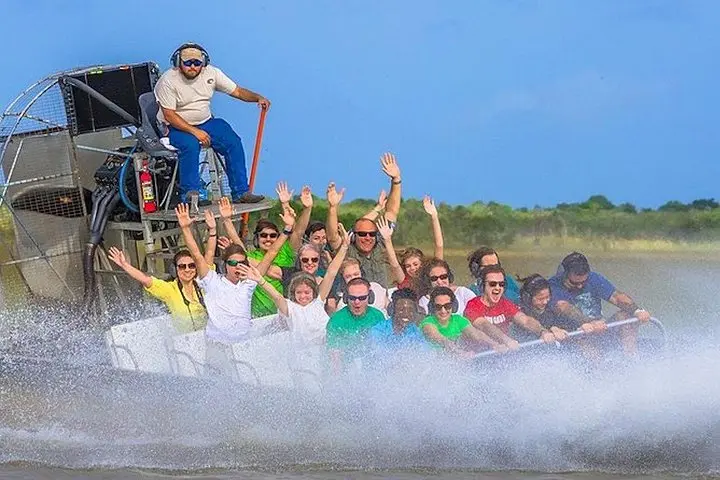
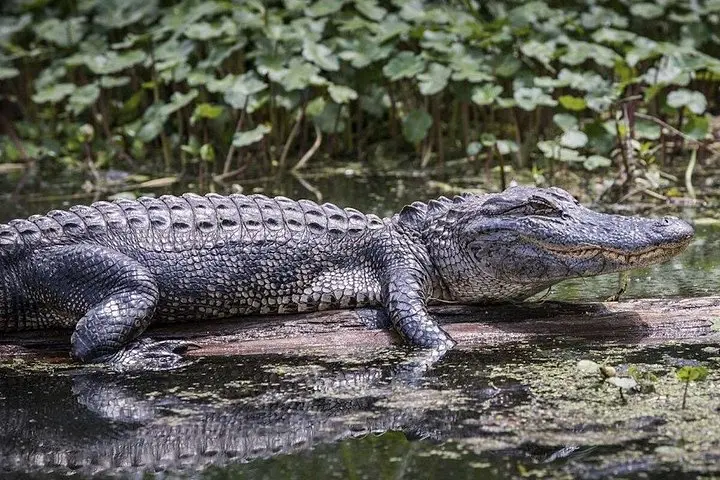
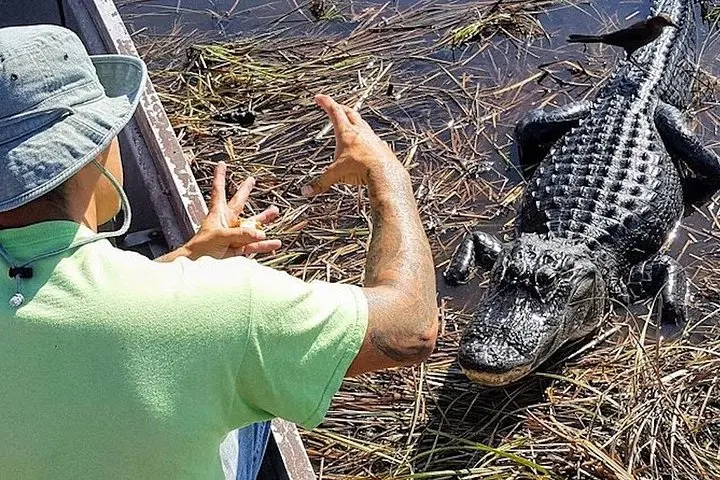
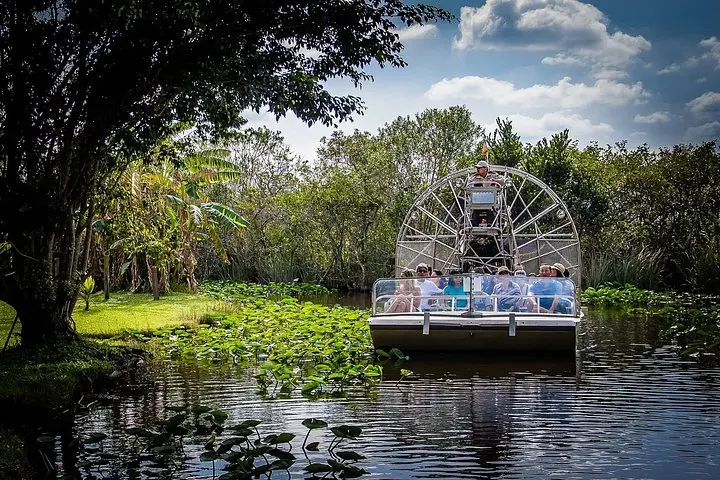
The hydroglider lifts off like a restless metal heron, the engine’s thrum folding into the wide, wet silence of the Everglades. Mangrove roots blur past in a tangle of dark wood and green, and the guide’s voice—low, precise—cuts through the wind with the kind of local knowledge that makes the landscape feel alive. Bird calls punctuate the ride; an alligator’s back slips like a dark stone through the sawgrass, indifferent and watchful.
The hydroglider lifts off like a restless metal heron, the engine’s thrum folding into the wide, wet silence of the Everglades. Mangrove roots blur past in a tangle of dark wood and green, and the guide’s voice—low, precise—cuts through the wind with the kind of local knowledge that makes the landscape feel alive. Bird calls punctuate the ride; an alligator’s back slips like a dark stone through the sawgrass, indifferent and watchful.
This half-day tour from Miami condenses Florida’s slow-moving wilderness into a sharp, kinetic few hours. Hydrogliders run shallower than conventional airboats, skimming mangrove tunnels and open water meadows where carp-sized snook and turtles ride the current. The Everglades here is a living laboratory: limestone bedrock under a veneer of peat, mangrove roots binding soil against tides, and a complex freshwater-saltwater gradient that governs life from fiddler crabs to wading birds.
Human history threads through the landscape. Indigenous groups, including the Miccosukee and Seminole, adapted to a region that Euro-American developers once tried to dry and simplify. The push-and-pull of drainage, agriculture, and restoration—now embodied by large-scale efforts like the Comprehensive Everglades Restoration Plan (CERP)—is visible in roadside canals and recovered wetlands.
Culturally, the Everglades feels stubbornly Floridian: a mix of Cuban, Caribbean, and Native American influences in nearby towns, roadside seafood stands selling stone-cracked conch fritters, and souvenir stops that showcase local art carved from cypress and shells. Guides tie biology to local life, explaining how catch-and-release practices, seasonal hunting limits, and mangrove protections keep the system functioning.
Practical guide: expect 4–5 hours total with roundtrip transport from Miami Beach and about 45 minutes on the hydroglider. Wear closed-toe shoes and quick-dry clothing; the spray and sun make lightweight, breathable fabrics ideal. Bring binoculars, sunscreen, and a small dry bag for your phone—mangrove tunnels mean close quarters and camera-tempting scenes, but salt spray will find anything unprotected. Hydrate before you board; the boat’s wind and Florida sun can dehydrate you faster than you think.
Safety is real but straightforward: keep hands and cameras inside the rail, listen to the briefing, and note wildlife supervisors during stops. The tour includes a short wildlife presentation and time to explore educational exhibits and grab lunch afterward—use that window to ask guides about local conservation work.
Morning departures give cooler air and active birds; late afternoons sharpen light for photography. Whether you’re chasing a fast, noisy ride or trying to read the quiet movements of a marsh, the Everglades demands attention. It rewards those who pay it with a rare, elemental Florida experience—raw, scientific, and quietly persistent.