THE ADVENTURE COLLECTIVE® · Independent discovery and booking for outdoor travel

Walk the streets and stand inside the home of F.D. Reese as guides trace Selma’s pivotal role in the voting-rights movement. This 1–2 hour guided experience visits Brown Chapel, original artifacts, and the Edmund Pettus Bridge with first‑hand storytelling.
Walk the streets and stand inside the home of F.D. Reese as guides trace Selma’s pivotal role in the voting-rights movement. This 1–2 hour guided experience visits Brown Chapel, original artifacts, and the Edmund Pettus Bridge with first‑hand storytelling.
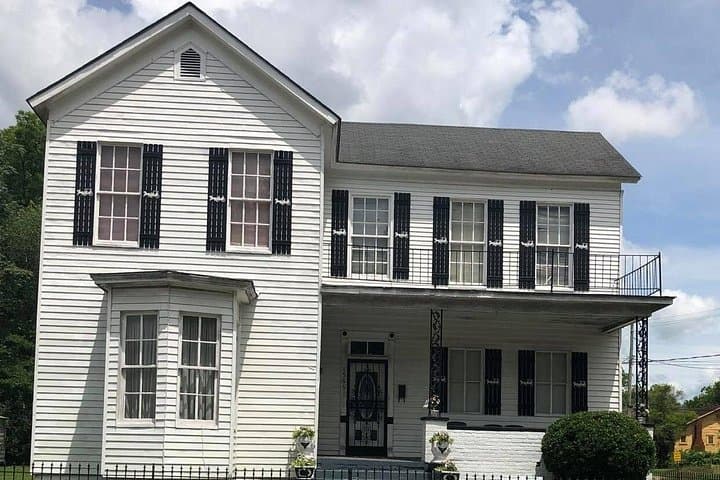
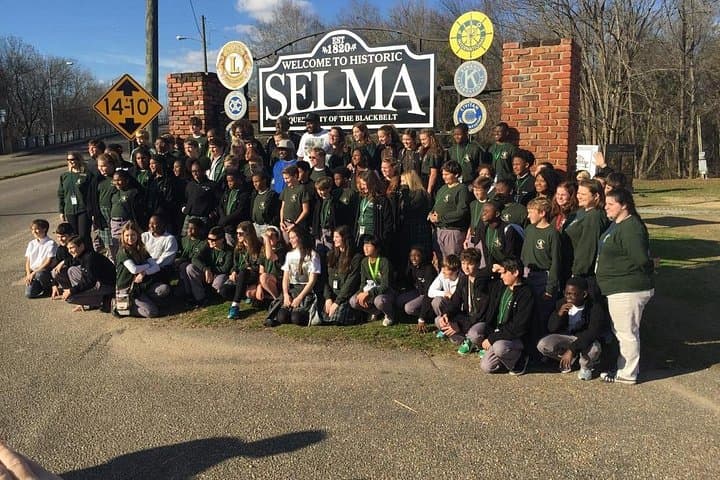
The tour begins on a warm sidewalk in Selma, the Alabama River steady at the city's feet and the Edmund Pettus Bridge rising like a lived-in memory. Guides move with quiet command, opening doors to the former home of F.D. Reese and placing original artifacts into the palm of context; voices pull you across the bridge where history still seems to breathe.
Verified experiences and guided adventures in the surrounding area.
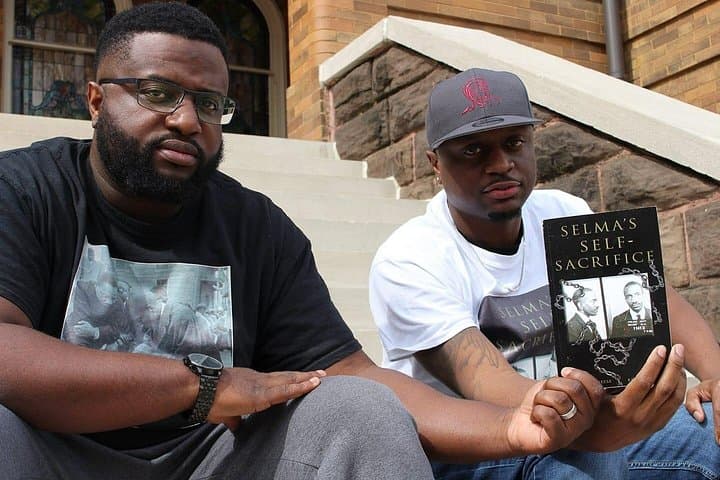
Operated by Alan and Marvin Reese · Selma, Alabama
The tour begins on a warm sidewalk in Selma, the Alabama River steady at the city's feet and the Edmund Pettus Bridge rising like a lived-in memory. Guides move with quiet command, opening doors to the former home of F.D. Reese and placing original artifacts into the palm of context; voices pull you across the bridge where history still seems to breathe.
This is a walk through mid-20th-century civic organizing: local faith networks, Brown Chapel AME’s mass meetings, and Reese’s role getting Dr. Martin Luther King Jr. to Selma for the voting-rights campaigns. Geology plays a minor but present role here — the river carved the crossing that became strategic ground — while the red clay streets and brick churches tell a story of labor, migration and community endurance.
Culturally, the tour is rooted in living memory. The route visits Reese’s home, Brown Chapel, and the bridge tied to Bloody Sunday, with interpreters who can point to artifacts and personal anecdotes not found in every textbook. Expect modest walking distances, frequent stops, and emotionally resonant interpretation rather than spectacle.
Practical guidance: the scheduled tour runs roughly 1–2 hours; wear comfortable walking shoes and bring water. Summers are hot and humid; mornings or late afternoons are cooler and quieter. Photography is generally welcomed but be respectful during moments of reflection or inside private spaces. If you need mobility accommodations, confirm when booking—the tour is noted as physically easy, but some sites have steps. Bring a light rain jacket in spring and fall; sunscreen and a hat are smart in summer. The experience is best approached with curiosity and measured respect: this is civic memory you can walk through.
The tour lasts about 60–120 minutes depending on group size and questions.
Yes, the tour includes entry to Reese’s home and viewing of artifacts; follow the guide’s directions on photography and touching items.
The tour is described as physically easy, but some stops (historic churches and homes) may have steps—contact the operator ahead to confirm accommodations.
For a full refund cancel at least 24 hours before the scheduled start; check your booking for any exceptions.
Alan and Marvin Reese operates guided outdoor trips and adventures with an emphasis on safety, stewardship, and memorable experiences.

The tour begins on a warm sidewalk in Selma, the Alabama River steady at the city's feet and the Edmund Pettus Bridge rising like a lived-in memory. Guides move with quiet command, opening doors to the former home of F.D. Reese and placing original artifacts into the palm of context; voices pull you across the bridge where history still seems to breathe.
The tour begins on a warm sidewalk in Selma, the Alabama River steady at the city's feet and the Edmund Pettus Bridge rising like a lived-in memory. Guides move with quiet command, opening doors to the former home of F.D. Reese and placing original artifacts into the palm of context; voices pull you across the bridge where history still seems to breathe.
This is a walk through mid-20th-century civic organizing: local faith networks, Brown Chapel AME’s mass meetings, and Reese’s role getting Dr. Martin Luther King Jr. to Selma for the voting-rights campaigns. Geology plays a minor but present role here — the river carved the crossing that became strategic ground — while the red clay streets and brick churches tell a story of labor, migration and community endurance.
Culturally, the tour is rooted in living memory. The route visits Reese’s home, Brown Chapel, and the bridge tied to Bloody Sunday, with interpreters who can point to artifacts and personal anecdotes not found in every textbook. Expect modest walking distances, frequent stops, and emotionally resonant interpretation rather than spectacle.
Practical guidance: the scheduled tour runs roughly 1–2 hours; wear comfortable walking shoes and bring water. Summers are hot and humid; mornings or late afternoons are cooler and quieter. Photography is generally welcomed but be respectful during moments of reflection or inside private spaces. If you need mobility accommodations, confirm when booking—the tour is noted as physically easy, but some sites have steps. Bring a light rain jacket in spring and fall; sunscreen and a hat are smart in summer. The experience is best approached with curiosity and measured respect: this is civic memory you can walk through.