THE ADVENTURE COLLECTIVE® · Independent discovery and booking for outdoor travel

Get close to Rothschild giraffes and orphaned elephants with a guided Nairobi loop that pairs intimate wildlife encounters with museum-led cultural context. Practical tips cover timing, accessibility, and what to bring.
Get close to Rothschild giraffes and orphaned elephants with a guided Nairobi loop that pairs intimate wildlife encounters with museum-led cultural context. Practical tips cover timing, accessibility, and what to bring.
You step out of an air-conditioned minivan and the long-necked silhouettes of Rothschild giraffes cut the skyline—curious heads tilt down to inspect your camera strap as if deciding whether you belong.
Verified experiences and guided adventures in the surrounding area.
Operated by KT Safaris · Nairobi, Nairobi County
You step out of an air-conditioned minivan and the long-necked silhouettes of Rothschild giraffes cut the skyline—curious heads tilt down to inspect your camera strap as if deciding whether you belong.
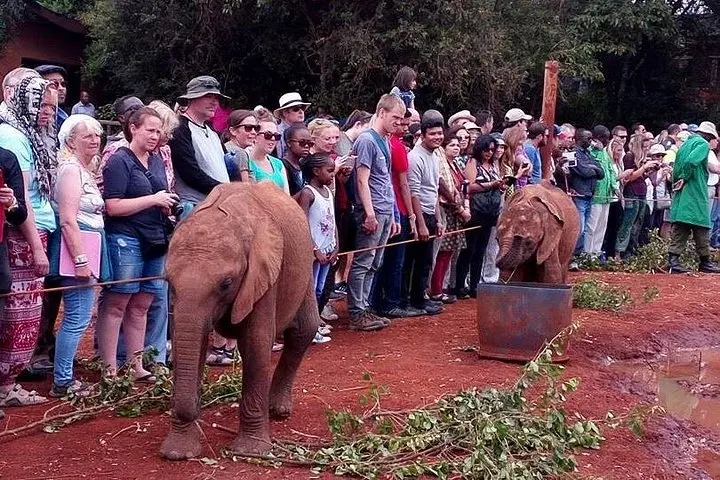
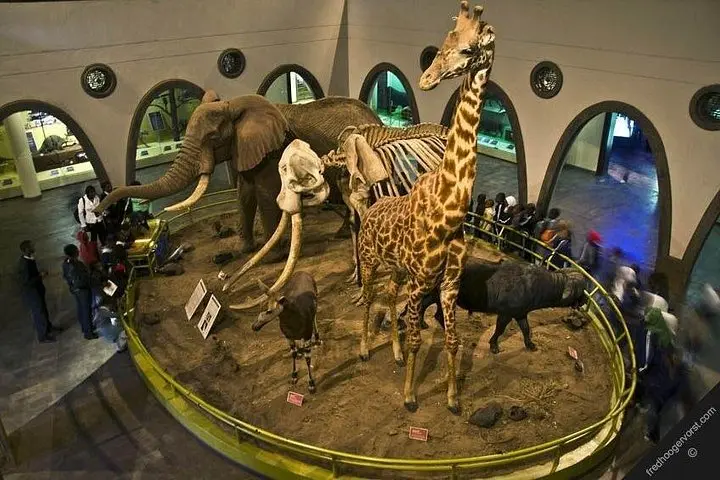
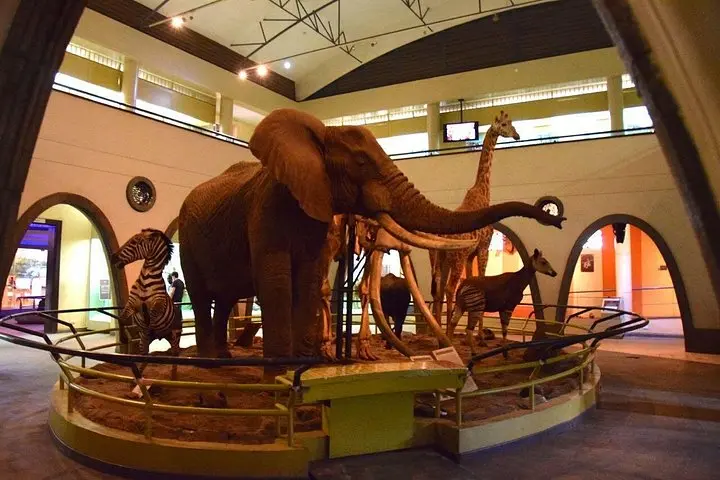
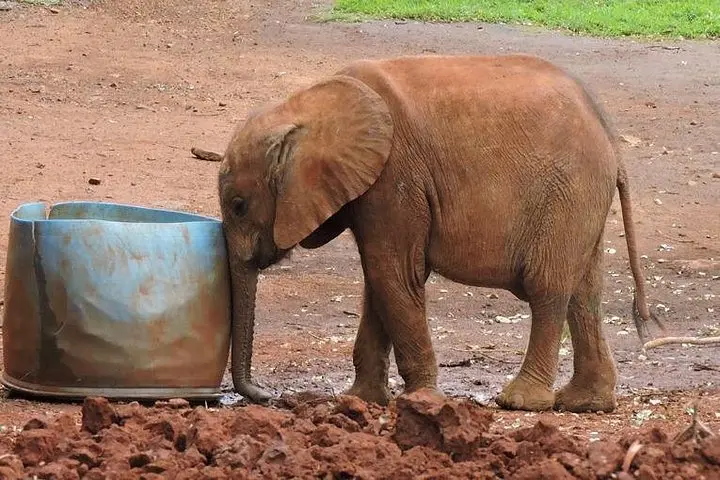
This guided loop through Lang'ata and central Nairobi threads wildlife and history tight: a morning at the Giraffe Centre where hand-fed giraffes lower their heads, a visit to the David Sheldrick Wildlife Trust to learn rescue-and-rehabilitation stories of orphaned elephants, then a cultural stop at the National Museum of Kenya (with options to visit the Karen Blixen Museum nearby). The ground underfoot shifts from manicured conservation paddocks to city streets that grew from a colonial railway outpost into East Africa’s urban hub.
Geology here is subtle—rolling savanna plains and the rift-related highlands around Nairobi supply the grass and acacia these species rely on, while cultural layers reflect Maasai, Kikuyu and colonial histories preserved in museum exhibits and place names.
Practical guidance: expect a half- to full-day excursion (this itinerary runs about 6–7 hours). Wear closed-toe walking shoes and bring sun protection—shade is limited at feeding platforms. Carry small bills for entrance fees or donations and a light rain jacket in the short rains. Photography is welcome but follow guides’ directions near animals; do not feed wildlife except where expressly allowed by staff. Tours commonly include pickup and drop-off, and many operators accommodate strollers and wheelchairs, but confirm details when booking.
This is an accessible, wildlife-forward outing that blends close animal encounters with compact cultural context—ideal for visitors wanting a concentrated Nairobi nature experience without venturing into the national parks.
The itinerary runs about 6–7 hours total, including transfers and stops at each attraction; confirm exact timings with your operator.
Some operators include park or museum fees, but many expect onsite payment or donations — check the tour listing or confirm with the provider before you go.
Yes — many parts are family-friendly and stroller-accessible, but infants may be required to sit on laps in transit; confirm accommodations for young children.
Some itineraries offer an optional stop at the Karen Blixen Museum (Out of Africa house) — ask the operator when booking to include it.
KT Safaris operates guided outdoor trips and adventures with an emphasis on safety, stewardship, and memorable experiences.
You step out of an air-conditioned minivan and the long-necked silhouettes of Rothschild giraffes cut the skyline—curious heads tilt down to inspect your camera strap as if deciding whether you belong.
You step out of an air-conditioned minivan and the long-necked silhouettes of Rothschild giraffes cut the skyline—curious heads tilt down to inspect your camera strap as if deciding whether you belong.
This guided loop through Lang'ata and central Nairobi threads wildlife and history tight: a morning at the Giraffe Centre where hand-fed giraffes lower their heads, a visit to the David Sheldrick Wildlife Trust to learn rescue-and-rehabilitation stories of orphaned elephants, then a cultural stop at the National Museum of Kenya (with options to visit the Karen Blixen Museum nearby). The ground underfoot shifts from manicured conservation paddocks to city streets that grew from a colonial railway outpost into East Africa’s urban hub.
Geology here is subtle—rolling savanna plains and the rift-related highlands around Nairobi supply the grass and acacia these species rely on, while cultural layers reflect Maasai, Kikuyu and colonial histories preserved in museum exhibits and place names.
Practical guidance: expect a half- to full-day excursion (this itinerary runs about 6–7 hours). Wear closed-toe walking shoes and bring sun protection—shade is limited at feeding platforms. Carry small bills for entrance fees or donations and a light rain jacket in the short rains. Photography is welcome but follow guides’ directions near animals; do not feed wildlife except where expressly allowed by staff. Tours commonly include pickup and drop-off, and many operators accommodate strollers and wheelchairs, but confirm details when booking.
This is an accessible, wildlife-forward outing that blends close animal encounters with compact cultural context—ideal for visitors wanting a concentrated Nairobi nature experience without venturing into the national parks.