THE ADVENTURE COLLECTIVE® · Independent discovery and booking for outdoor travel

A private six-day ridge traverse of the Făgăraș Mountains from Brașov to Moldoveanu. Expect long alpine days, exposed cols, high camps and classic Carpathian views—best for experienced hikers.
A private six-day ridge traverse of the Făgăraș Mountains from Brașov to Moldoveanu. Expect long alpine days, exposed cols, high camps and classic Carpathian views—best for experienced hikers.
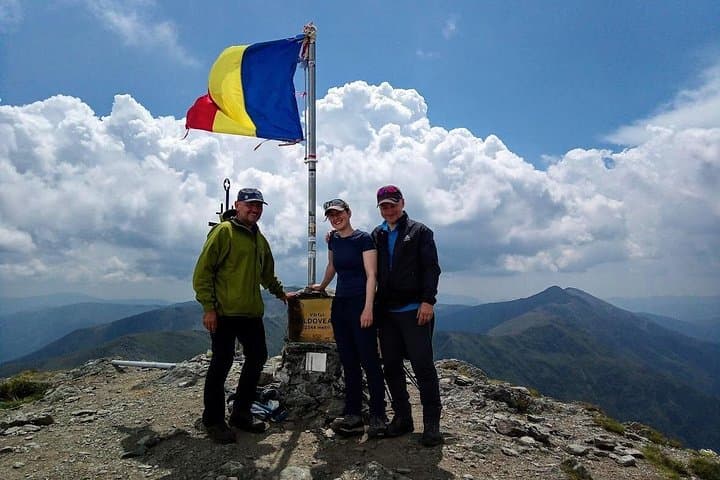
A thin wind cuts across the high ridge as your boots find purchase on broken limestone and scree. Morning light exposes serrated summits; behind you, the valley of Sâmbăta slips into shadow. This six-day private expedition follows the main crest of the Făgăraș Mountains, pushing from the lower beech and oak belts up to alpine saddles and Romania’s highest point, Moldoveanu (2,544 m).
Verified experiences and guided adventures in the surrounding area.
Operated by Active Travel Day Tours · Brașov, Brașov County
A thin wind cuts across the high ridge as your boots find purchase on broken limestone and scree. Morning light exposes serrated summits; behind you, the valley of Sâmbăta slips into shadow. This six-day private expedition follows the main crest of the Făgăraș Mountains, pushing from the lower beech and oak belts up to alpine saddles and Romania’s highest point, Moldoveanu (2,544 m).
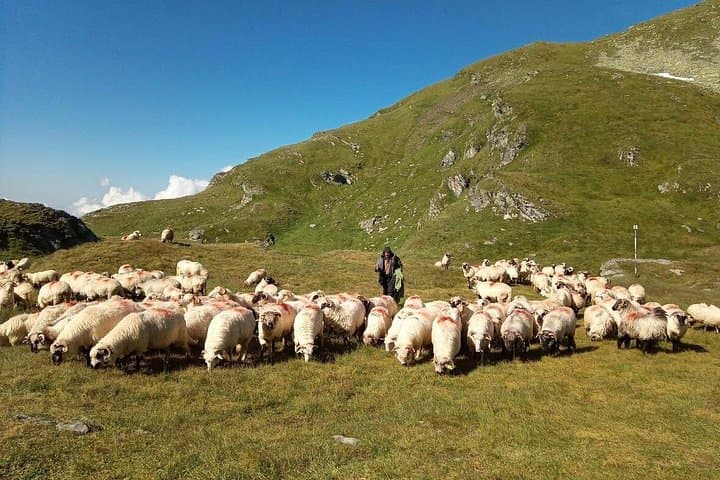
Geology here is raw: uplifted Mesozoic limestone and metamorphic cores carved by glaciation, leaving sharp arêtes, cirque lakes and the Mioarelor glacial basin at 2,282 m. Culturally the range carries shepherding traditions and place-names tied to old beech forests ("făgar"), while wartime routes and memorials like the Nerlinger plaque recall the mountain’s human stories.
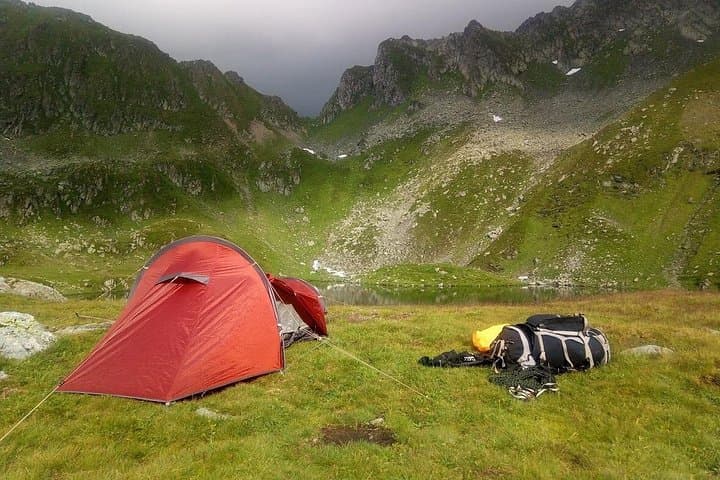
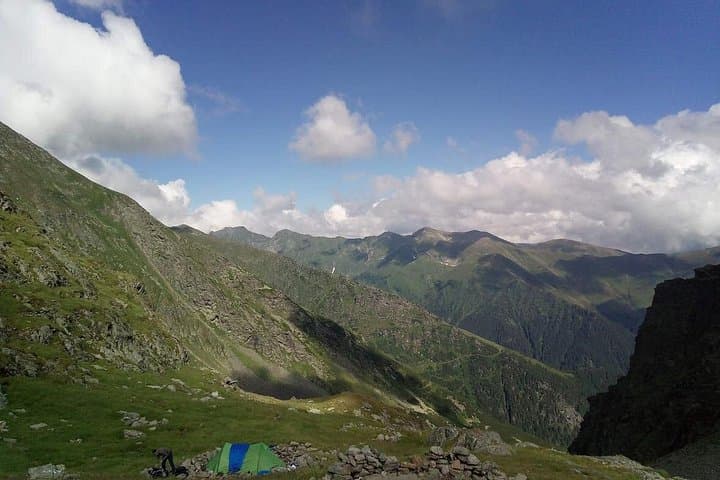
Expect long ridge days (5–8 hours) and multiple bivouacs or hut nights, steep climbs to exposed cols such as Vistea Mare and Negoiu, and route-finding across rocky saddles. Water is normally available from alpine springs; campsites are on high meadows or near tarns. Weather can flip rapidly — sun, wind, fog and sudden storms are all possible even in summer.
Practically: arrive in Brașov the day before, train your pack for sustained elevation gain, and choose waterproof boots with solid ankle support. Carry a maps-and-compass kit and know basic scrambling techniques for short exposed sections. The guide provided will navigate and cook; participants must carry personal gear, tent and sleeping bag. With proper preparation this is a classic, strenuous Carpathian ridge traverse—physical and uncompromising, with unforgettable summit minutes and wide, northern-facing views.
You need a high level of cardiovascular fitness and endurance: expect consecutive days of 5–8 hours hiking with significant elevation change and a loaded pack.
Yes—there are alpine springs and tarns commonly used for drinking water, but always treat or filter before drinking.
No ropes or technical climbing gear are required for the normal route, but short exposed scrambling sections demand sure footing and experience.
Guides will alter the itinerary for safety—some exposed sections may be bypassed and additional hut nights used; refund and cancellation policies apply per operator terms.
Active Travel Day Tours operates guided outdoor trips and adventures with an emphasis on safety, stewardship, and memorable experiences.
A thin wind cuts across the high ridge as your boots find purchase on broken limestone and scree. Morning light exposes serrated summits; behind you, the valley of Sâmbăta slips into shadow. This six-day private expedition follows the main crest of the Făgăraș Mountains, pushing from the lower beech and oak belts up to alpine saddles and Romania’s highest point, Moldoveanu (2,544 m).
A thin wind cuts across the high ridge as your boots find purchase on broken limestone and scree. Morning light exposes serrated summits; behind you, the valley of Sâmbăta slips into shadow. This six-day private expedition follows the main crest of the Făgăraș Mountains, pushing from the lower beech and oak belts up to alpine saddles and Romania’s highest point, Moldoveanu (2,544 m).
Geology here is raw: uplifted Mesozoic limestone and metamorphic cores carved by glaciation, leaving sharp arêtes, cirque lakes and the Mioarelor glacial basin at 2,282 m. Culturally the range carries shepherding traditions and place-names tied to old beech forests ("făgar"), while wartime routes and memorials like the Nerlinger plaque recall the mountain’s human stories.
Expect long ridge days (5–8 hours) and multiple bivouacs or hut nights, steep climbs to exposed cols such as Vistea Mare and Negoiu, and route-finding across rocky saddles. Water is normally available from alpine springs; campsites are on high meadows or near tarns. Weather can flip rapidly — sun, wind, fog and sudden storms are all possible even in summer.
Practically: arrive in Brașov the day before, train your pack for sustained elevation gain, and choose waterproof boots with solid ankle support. Carry a maps-and-compass kit and know basic scrambling techniques for short exposed sections. The guide provided will navigate and cook; participants must carry personal gear, tent and sleeping bag. With proper preparation this is a classic, strenuous Carpathian ridge traverse—physical and uncompromising, with unforgettable summit minutes and wide, northern-facing views.