THE ADVENTURE COLLECTIVE® · Independent discovery and booking for outdoor travel

Spend a private full day on Faial exploring Capelinhos volcano, black-sand beaches, historic whaling ports, and working banana plantations. This 7–8 hour cultural drive-and-walk tour pairs geology and local food with easy short hikes and a picnic lunch.
Spend a private full day on Faial exploring Capelinhos volcano, black-sand beaches, historic whaling ports, and working banana plantations. This 7–8 hour cultural drive-and-walk tour pairs geology and local food with easy short hikes and a picnic lunch.
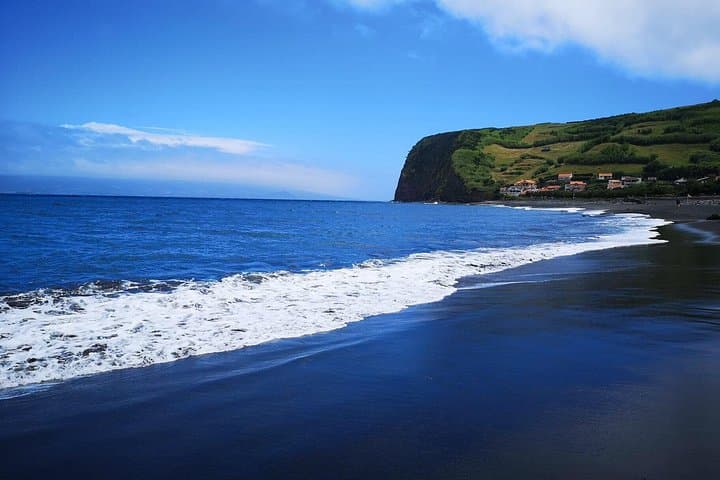
Morning light on Faial strikes the harbor in Horta like a signal — gulls wheel, fishing boats bob, and a private minivan waits in front of Casa da Baia. Over the next 7–8 hours the island opens like a field guide: black-sand Praia do Almoxarife, the wind-scarred lunar apron of Capelinhos, and quiet grottoes where old adegas keep the scent of cured cheese.
Verified experiences and guided adventures in the surrounding area.
Operated by Visitfaial · Horta, Azores
Morning light on Faial strikes the harbor in Horta like a signal — gulls wheel, fishing boats bob, and a private minivan waits in front of Casa da Baia. Over the next 7–8 hours the island opens like a field guide: black-sand Praia do Almoxarife, the wind-scarred lunar apron of Capelinhos, and quiet grottoes where old adegas keep the scent of cured cheese.
Faial’s story reads in rock and practice. The 1957–58 Capelinhos eruption rearranged the coastline and left a raw, ash-strewn cap that geologists still map; older flows from the 17th century formed the Fajã da Praia do Norte. Culturally, Faial carries echoes of a whaling past — small ports and rowing-launch ramps — and a present shaped by banana plantations and artisanal cheese making.
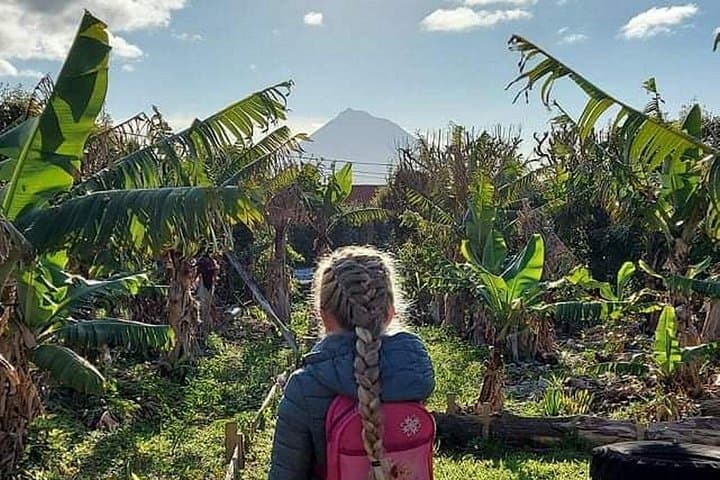
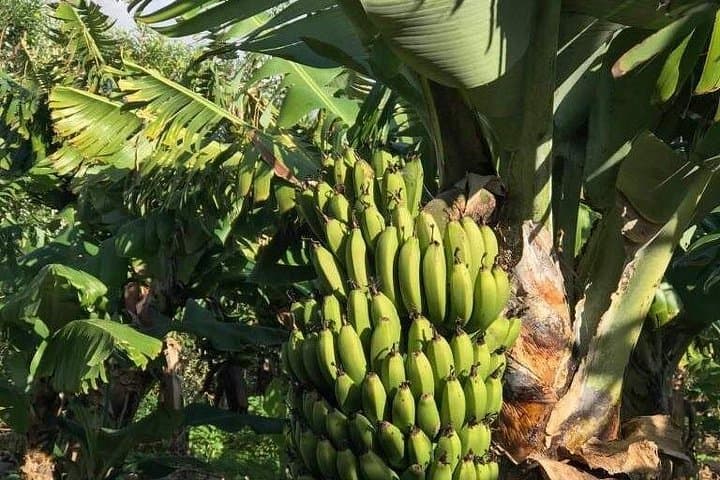
Expect short walks and several drives: most stops are 10–30 minutes from each other by road, with easy, mostly paved approaches and a few uneven paths at scenic lookouts and natural pools. The picnic lunch in a municipal park brings local bread, cheese and island-grown fruit; afternoons visit a cheese factory and an organic banana plantation to see agricultural cycles up close.
Practical edge: weather is Atlantic — wind and sun swap rapidly. Layers, a windproof jacket and sturdy shoes for short rocky stretches make the day more comfortable. The tour is private and accessible to most fitness levels; bring a camera, a refillable water bottle (water provided), and respect working farms and protected sites. With an experienced local guide you’ll leave with stories, maps and a clearer sense of how island life shapes every view.
The tour runs about 7–8 hours; it’s a relaxed pace with multiple short stops (10–30 minutes) and mild, brief walks at viewpoints and sites.
Yes — it’s a private tour, so guides can adapt the picnic for dietary needs and minimize walking for guests with mobility limits if notified in advance.
Most full-day itineraries include the Capelinhos area; entry to the interpretation center may be available depending on timing — confirm with the operator when booking.
Yes — the tour notes stroller access and infant seats are available; however, some short walks have uneven terrain so plan accordingly.
Visitfaial operates guided outdoor trips and adventures with an emphasis on safety, stewardship, and memorable experiences.

Morning light on Faial strikes the harbor in Horta like a signal — gulls wheel, fishing boats bob, and a private minivan waits in front of Casa da Baia. Over the next 7–8 hours the island opens like a field guide: black-sand Praia do Almoxarife, the wind-scarred lunar apron of Capelinhos, and quiet grottoes where old adegas keep the scent of cured cheese.
Morning light on Faial strikes the harbor in Horta like a signal — gulls wheel, fishing boats bob, and a private minivan waits in front of Casa da Baia. Over the next 7–8 hours the island opens like a field guide: black-sand Praia do Almoxarife, the wind-scarred lunar apron of Capelinhos, and quiet grottoes where old adegas keep the scent of cured cheese.
Faial’s story reads in rock and practice. The 1957–58 Capelinhos eruption rearranged the coastline and left a raw, ash-strewn cap that geologists still map; older flows from the 17th century formed the Fajã da Praia do Norte. Culturally, Faial carries echoes of a whaling past — small ports and rowing-launch ramps — and a present shaped by banana plantations and artisanal cheese making.
Expect short walks and several drives: most stops are 10–30 minutes from each other by road, with easy, mostly paved approaches and a few uneven paths at scenic lookouts and natural pools. The picnic lunch in a municipal park brings local bread, cheese and island-grown fruit; afternoons visit a cheese factory and an organic banana plantation to see agricultural cycles up close.
Practical edge: weather is Atlantic — wind and sun swap rapidly. Layers, a windproof jacket and sturdy shoes for short rocky stretches make the day more comfortable. The tour is private and accessible to most fitness levels; bring a camera, a refillable water bottle (water provided), and respect working farms and protected sites. With an experienced local guide you’ll leave with stories, maps and a clearer sense of how island life shapes every view.