THE ADVENTURE COLLECTIVE® · Independent discovery and booking for outdoor travel

Chase the aurora from Fairbanks with a guided, 8–12 hour night tour that adapts to forecasts and delivers free professional photography. Expect long drives to dark-sky pullouts, cold nights, and unforgettable sky displays.
Chase the aurora from Fairbanks with a guided, 8–12 hour night tour that adapts to forecasts and delivers free professional photography. Expect long drives to dark-sky pullouts, cold nights, and unforgettable sky displays.
The night opens like a dark theater over Interior Alaska as the van pulls away from Fairbanks and the highway lights thin out.
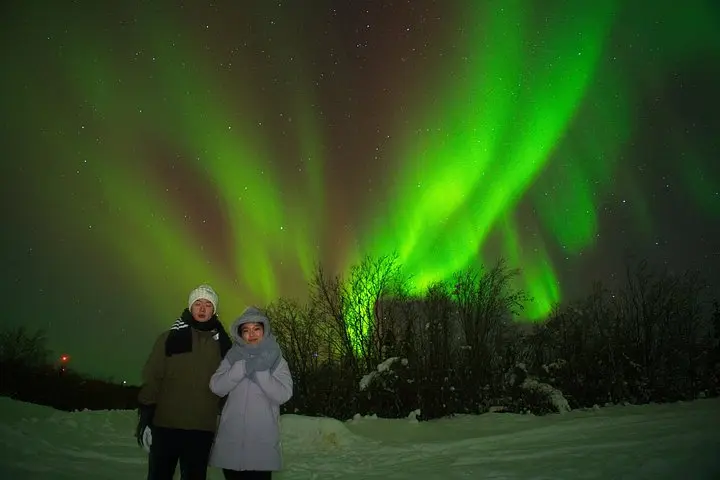
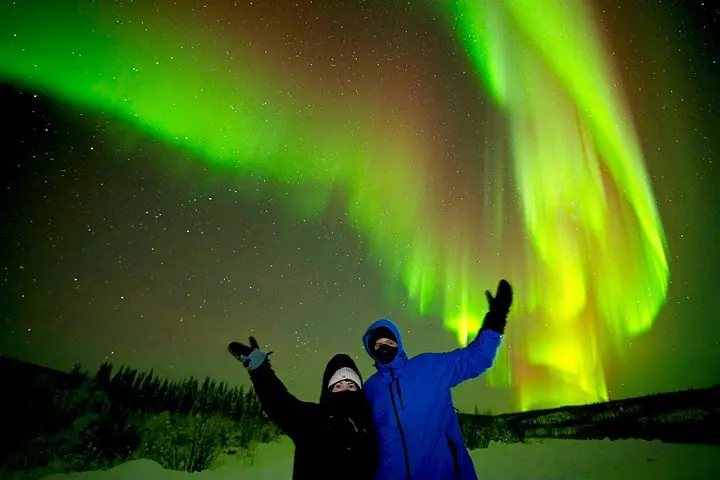
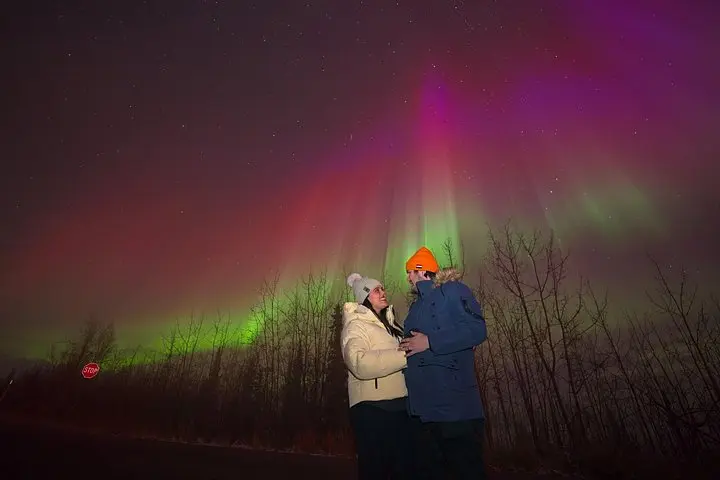
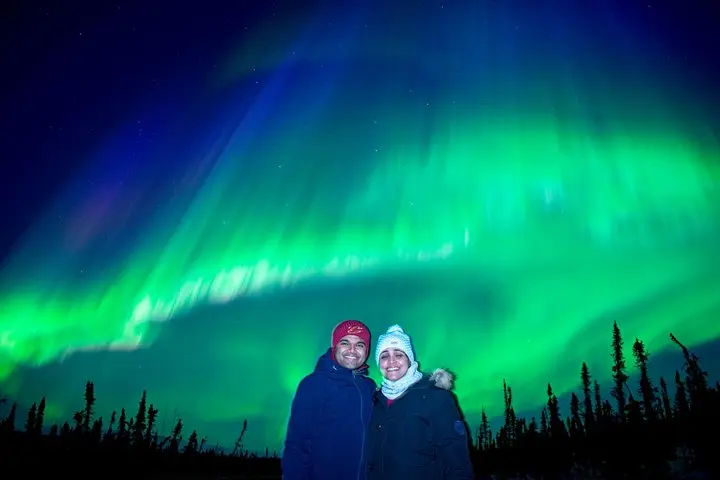
Headlights carve a ribbon through black spruce and birch, and the sky above feels close enough to touch; when the aurora arrives it moves with a will of its own, green curtains rippling, occasional purple and red flares punctuating the cold.
Verified experiences and guided adventures in the surrounding area.
Operated by Arctic Night Tours · Fairbanks, Alaska
The night opens like a dark theater over Interior Alaska as the van pulls away from Fairbanks and the highway lights thin out.
Headlights carve a ribbon through black spruce and birch, and the sky above feels close enough to touch; when the aurora arrives it moves with a will of its own, green curtains rippling, occasional purple and red flares punctuating the cold.
This guided aurora chase follows the same logic as northern travel has for generations: read the weather, read the geomagnetic forecast, and leave the city for clear, dark skies. Geologically, you’re beneath the broad Interior plateau and taiga—permafrost underlies much of the landscape, rivers like the Chena braiding through flat valleys. The region is homeland to Athabascan people; modern Fairbanks grew with the gold rush and later the Alaska pipeline, shaping the culture and logistics that support night tours today.
Practical guide: tours run 8–12 hours with flexible routing to maximize viewing, so expect long stretches in an enclosed vehicle and short stops at remote pullouts. Operators typically supply warm drinks and snacks and include free photography—use the pro shots or bring your tripod and a camera set to manual (low f-stop, high ISO, 5–15s exposure). Dress for extreme cold: insulated layers, waterproof boots, warm gloves, and a face layer against wind chill. Batteries drain fast in the cold—carry spares in an inner pocket. Plan for late-night timings and possible late returns to Fairbanks. The aurora is unpredictable; the best strategy is patience, layered clothing, and going with guides who know where to find the dark sky.
Peak viewing runs from late August through April, with the clearest night skies often near the equinoxes; winter offers the longest dark windows.
No—the tour includes complimentary professional photography, but bringing your own camera and tripod gives you flexibility for personal shots.
Yes—this tour is listed as physically easy and operators often provide infant seats and accommodations for different mobility levels; confirm specific needs at booking.
Cloud cover, light pollution, and low geomagnetic activity (low Kp index) reduce visibility; guides choose locations to mitigate these factors but sightings are never guaranteed.
Arctic Night Tours operates guided outdoor trips and adventures with an emphasis on safety, stewardship, and memorable experiences.
The night opens like a dark theater over Interior Alaska as the van pulls away from Fairbanks and the highway lights thin out.
Headlights carve a ribbon through black spruce and birch, and the sky above feels close enough to touch; when the aurora arrives it moves with a will of its own, green curtains rippling, occasional purple and red flares punctuating the cold.
This guided aurora chase follows the same logic as northern travel has for generations: read the weather, read the geomagnetic forecast, and leave the city for clear, dark skies. Geologically, you’re beneath the broad Interior plateau and taiga—permafrost underlies much of the landscape, rivers like the Chena braiding through flat valleys. The region is homeland to Athabascan people; modern Fairbanks grew with the gold rush and later the Alaska pipeline, shaping the culture and logistics that support night tours today.
Practical guide: tours run 8–12 hours with flexible routing to maximize viewing, so expect long stretches in an enclosed vehicle and short stops at remote pullouts. Operators typically supply warm drinks and snacks and include free photography—use the pro shots or bring your tripod and a camera set to manual (low f-stop, high ISO, 5–15s exposure). Dress for extreme cold: insulated layers, waterproof boots, warm gloves, and a face layer against wind chill. Batteries drain fast in the cold—carry spares in an inner pocket. Plan for late-night timings and possible late returns to Fairbanks. The aurora is unpredictable; the best strategy is patience, layered clothing, and going with guides who know where to find the dark sky.