THE ADVENTURE COLLECTIVE® · Independent discovery and booking for outdoor travel

Step off Nairobi’s urban grid into a working coffee estate where volcanic soils and high-altitude sun shape beans that reach your cup. This guided farm-and-factory tour covers planting, processing and tastings with hotel transfers included.
Step off Nairobi’s urban grid into a working coffee estate where volcanic soils and high-altitude sun shape beans that reach your cup. This guided farm-and-factory tour covers planting, processing and tastings with hotel transfers included.
You step out of Nairobi’s hum into a green slope where coffee bushes fan across the estate and the sharp aroma of fresh roast pulls you toward the mill. The Fairview Coffee Farm sits roughly 20 minutes from the city centre; morning mist lifts from terraces while workers sort cherries and the steady thump of pulping machines marks the rhythm of harvest.
Verified experiences and guided adventures in the surrounding area.
Operated by Shagami Kenya Tours and Safaris · Nairobi, Nairobi County
You step out of Nairobi’s hum into a green slope where coffee bushes fan across the estate and the sharp aroma of fresh roast pulls you toward the mill. The Fairview Coffee Farm sits roughly 20 minutes from the city centre; morning mist lifts from terraces while workers sort cherries and the steady thump of pulping machines marks the rhythm of harvest.
Coffee in Kenya grows on high-elevation volcanic soils; the acidity and bright fruit notes that define Kenyan beans are products of altitude, drainage and volcanic minerals. The tour traces that geology and history — from smallholder plots and colonial-era estates to modern washing stations — and places the cup in cultural context: coffee is both a cash crop and a daily ritual across communities here. Guides explain fermentation, drying beds and the grading system that separates peaberry from AA.
Expect a mix of light walking around plantations and a close-up look at processing machinery. Tastings are hands-on: smell the green bean, watch a roast, then sip brew that highlights citrus and blackcurrant notes. Local snacks and bottled water are usually included, and transfers run to-and-from Nairobi hotels.
Practical tips: wear closed-toe shoes for processing areas, plan for morning visits when flavors are sharpest, and budget time to buy freshly roasted bags at the farm shop. Respect processing zones, follow guides for safety around equipment, and consider a reusable bottle — the air here pushes you to slow down and pay attention to the cup.
The full experience runs about six hours including round-trip hotel transfers; on-site time is typically around four hours.
Yes—most tours include coffee tastings and light snacks; bottled water is commonly provided as well.
The experience is family-friendly but infants usually must sit on laps; noisy equipment and processing areas require close supervision of children.
Most estates and farm shops sell freshly roasted beans and souvenir packs—bring cash in case card machines are unavailable.
Shagami Kenya Tours and Safaris operates guided outdoor trips and adventures with an emphasis on safety, stewardship, and memorable experiences.

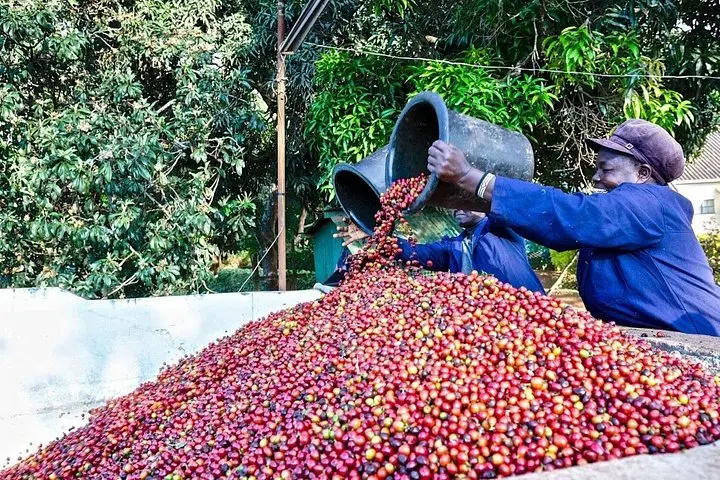
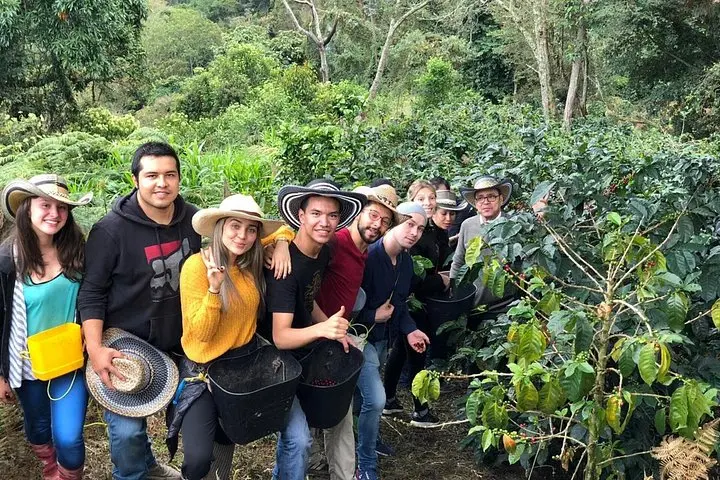
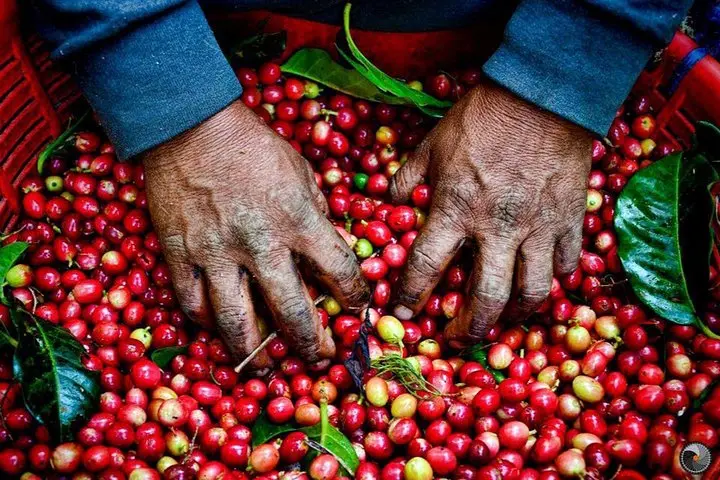
You step out of Nairobi’s hum into a green slope where coffee bushes fan across the estate and the sharp aroma of fresh roast pulls you toward the mill. The Fairview Coffee Farm sits roughly 20 minutes from the city centre; morning mist lifts from terraces while workers sort cherries and the steady thump of pulping machines marks the rhythm of harvest.
You step out of Nairobi’s hum into a green slope where coffee bushes fan across the estate and the sharp aroma of fresh roast pulls you toward the mill. The Fairview Coffee Farm sits roughly 20 minutes from the city centre; morning mist lifts from terraces while workers sort cherries and the steady thump of pulping machines marks the rhythm of harvest.
Coffee in Kenya grows on high-elevation volcanic soils; the acidity and bright fruit notes that define Kenyan beans are products of altitude, drainage and volcanic minerals. The tour traces that geology and history — from smallholder plots and colonial-era estates to modern washing stations — and places the cup in cultural context: coffee is both a cash crop and a daily ritual across communities here. Guides explain fermentation, drying beds and the grading system that separates peaberry from AA.
Expect a mix of light walking around plantations and a close-up look at processing machinery. Tastings are hands-on: smell the green bean, watch a roast, then sip brew that highlights citrus and blackcurrant notes. Local snacks and bottled water are usually included, and transfers run to-and-from Nairobi hotels.
Practical tips: wear closed-toe shoes for processing areas, plan for morning visits when flavors are sharpest, and budget time to buy freshly roasted bags at the farm shop. Respect processing zones, follow guides for safety around equipment, and consider a reusable bottle — the air here pushes you to slow down and pay attention to the cup.