THE ADVENTURE COLLECTIVE® · Independent discovery and booking for outdoor travel

Walk the rows from cherry to cup at Fairview Coffee Farm, a hands-on tour that covers cultivation, processing and a guided cupping. Expect light walking, volcanic soils that shape the cup, and a chance to buy fresh-roasted beans.
Walk the rows from cherry to cup at Fairview Coffee Farm, a hands-on tour that covers cultivation, processing and a guided cupping. Expect light walking, volcanic soils that shape the cup, and a chance to buy fresh-roasted beans.
Morning light eases over rows of coffee bushes as guides lead visitors down narrow paths where leaves whisper and cherries blush red against dark soil.
Verified experiences and guided adventures in the surrounding area.
Operated by Safarilinks Africa Limited · Nairobi, Nairobi County
Morning light eases over rows of coffee bushes as guides lead visitors down narrow paths where leaves whisper and cherries blush red against dark soil.
The Fairview Coffee Farm experience places travelers in the field-to-cup story: a concise walk through cultivation, harvesting, processing and a final cupping where aroma and acidity reveal the coffee's character. The farm sits on old volcanic soils west of Nairobi; that mineral-rich ground helps produce the bright, tea-like acidity Kenyan coffees are known for, while the high elevation slows cherry maturation and concentrates flavor.
Coffee in Kenya has roots in the late 19th and early 20th centuries, grown by smallholders and estates that developed washing stations to highlight clarity in the cup. On a Fairview tour visitors will see wet mills, drying patios, and small roasting demonstrations that show how heat brings out oils and sugars.
Culturally, the visit connects urban Nairobi to rural agriculture—local staff explain picking practices, grading and how cooperative systems support harvest seasons. Birds and insects patrol the hedgerows and the farm’s drying beds offer tactile lessons in patience and timing.
Practical guidance: the tour lasts about five hours with light walking on mixed dirt and compacted paths. Wear sturdy walking shoes, sun protection and bring a refillable bottle; a short rain shower can appear quickly during the long-rains (March–May). The tasting portion is instructive—come ready to sample multiple roast stages and buy freshly roasted beans to take home.
The experience runs about five hours, typically including transport from Nairobi, a farm walk, processing demonstrations and a cupping session.
Yes—an air-conditioned vehicle is listed as included in the tour amenities.
Yes—visitors are usually offered freshly roasted beans and farm-branded packages to purchase and take home.
The tour and transportation options are described as wheelchair and stroller accessible, though some outdoor surfaces may be uneven.
Safarilinks Africa Limited operates guided outdoor trips and adventures with an emphasis on safety, stewardship, and memorable experiences.


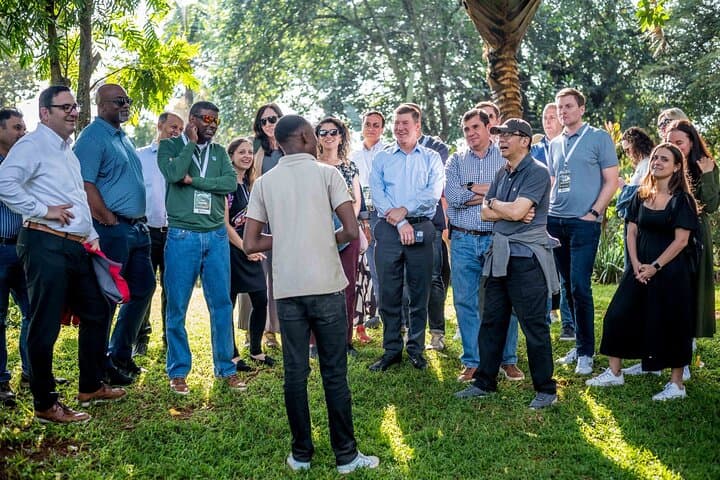
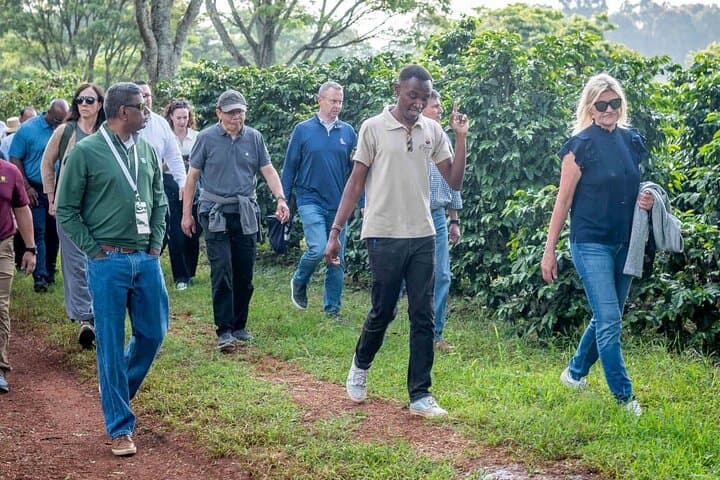
Morning light eases over rows of coffee bushes as guides lead visitors down narrow paths where leaves whisper and cherries blush red against dark soil.
Morning light eases over rows of coffee bushes as guides lead visitors down narrow paths where leaves whisper and cherries blush red against dark soil.
The Fairview Coffee Farm experience places travelers in the field-to-cup story: a concise walk through cultivation, harvesting, processing and a final cupping where aroma and acidity reveal the coffee's character. The farm sits on old volcanic soils west of Nairobi; that mineral-rich ground helps produce the bright, tea-like acidity Kenyan coffees are known for, while the high elevation slows cherry maturation and concentrates flavor.
Coffee in Kenya has roots in the late 19th and early 20th centuries, grown by smallholders and estates that developed washing stations to highlight clarity in the cup. On a Fairview tour visitors will see wet mills, drying patios, and small roasting demonstrations that show how heat brings out oils and sugars.
Culturally, the visit connects urban Nairobi to rural agriculture—local staff explain picking practices, grading and how cooperative systems support harvest seasons. Birds and insects patrol the hedgerows and the farm’s drying beds offer tactile lessons in patience and timing.
Practical guidance: the tour lasts about five hours with light walking on mixed dirt and compacted paths. Wear sturdy walking shoes, sun protection and bring a refillable bottle; a short rain shower can appear quickly during the long-rains (March–May). The tasting portion is instructive—come ready to sample multiple roast stages and buy freshly roasted beans to take home.