THE ADVENTURE COLLECTIVE® · Independent discovery and booking for outdoor travel
Spend four hours tracing Kenyan coffee from field to cup at Fairview Coffee Farm. This hands-on tour brings you through the processing line, roast lab and garden tastings north of Nairobi.
Spend four hours tracing Kenyan coffee from field to cup at Fairview Coffee Farm. This hands-on tour brings you through the processing line, roast lab and garden tastings north of Nairobi.
Morning light cuts across the estate as the van eases onto the farm road; leaves whisper and the air takes on the sharp, clean note of green coffee cherries. A Fairview Coffee Farm tour places you inside that process — from field rows to the roasting lab — in a compact four-hour loop that moves at a steady, explanatory pace.
Verified experiences and guided adventures in the surrounding area.
Operated by Wild Wave Tours · Limuru, Kiambu County
Morning light cuts across the estate as the van eases onto the farm road; leaves whisper and the air takes on the sharp, clean note of green coffee cherries. A Fairview Coffee Farm tour places you inside that process — from field rows to the roasting lab — in a compact four-hour loop that moves at a steady, explanatory pace.
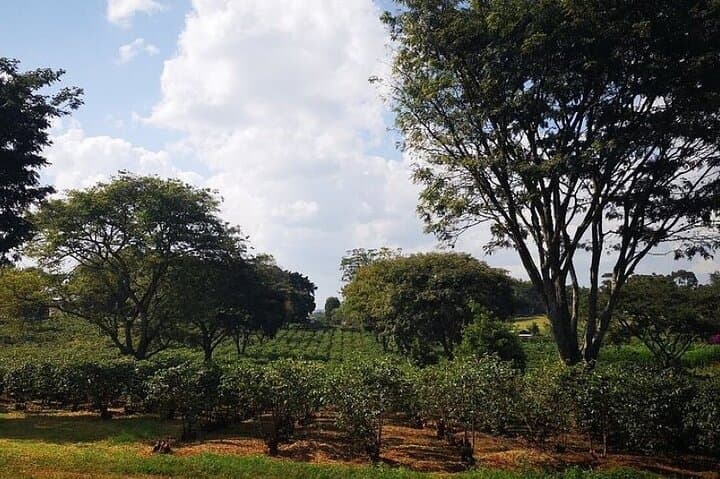
Fairview sits in the highlands north of Nairobi, part of Kenya’s long-established coffee belt where volcanic soils and steady equatorial rains produce bright, acidic beans. The guide frames coffee here as a cultural crop: colonial-era plantations gave way to cooperative and estate models, and modern farms mix export production with on-site tastings and retail. Geologically, the highland clay over volcanic rock channels water into terraced beds, favoring Arabica varieties that develop complex citrus and floral notes.
On the tour expect three phases: a short drive and farm orientation, a walkthrough of the processing line and milling operations, then the roast lab and tasting in the garden. Staff demonstrate sorting, pulping and drying; in the lab you’ll smell roasting profiles and cup a few brews. The garden tasting offers straightforward snacks and a chance to buy beans roasted to order.
Practical guidance: arrive with sun protection and closed shoes for uneven ground; the tour is low-impact and suitable for most fitness levels but includes walking on packed dirt and steps. Plan visits outside the long rainy season for drier paths and fuller outdoor time. Bring a small cooler or airtight bag if you plan to bring back beans — freshness matters. The visit is ideal for curious travelers who want a concise, hands-on look at Kenyan coffee from plant to cup.
The tour lasts about four hours and includes farm orientation, a walkthrough of processing and milling, a visit to the roast lab, and a guided tasting in the garden.
Yes; most bookings include hotel pickup and drop-off in a well-maintained car — confirm your pickup time when booking.
Yes; the roast lab usually sells freshly roasted beans and packaged coffee you can purchase to take home.
The tour is family-friendly but involves walking on uneven ground; it’s not recommended for guests with serious back, heart, or pregnancy-related restrictions.
Wild Wave Tours operates guided outdoor trips and adventures with an emphasis on safety, stewardship, and memorable experiences.
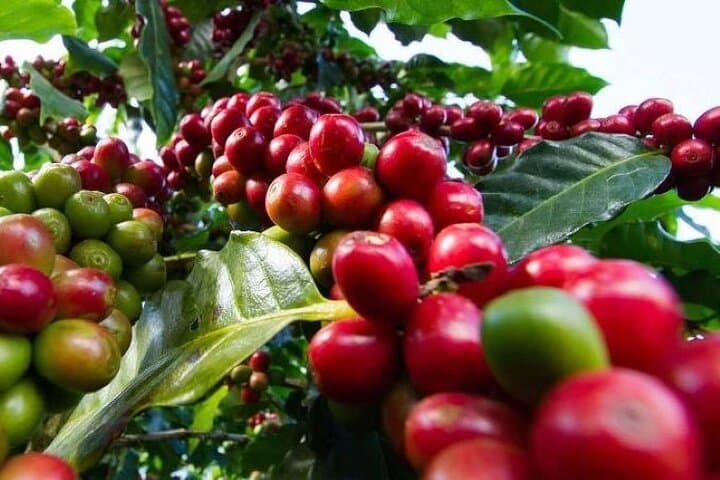
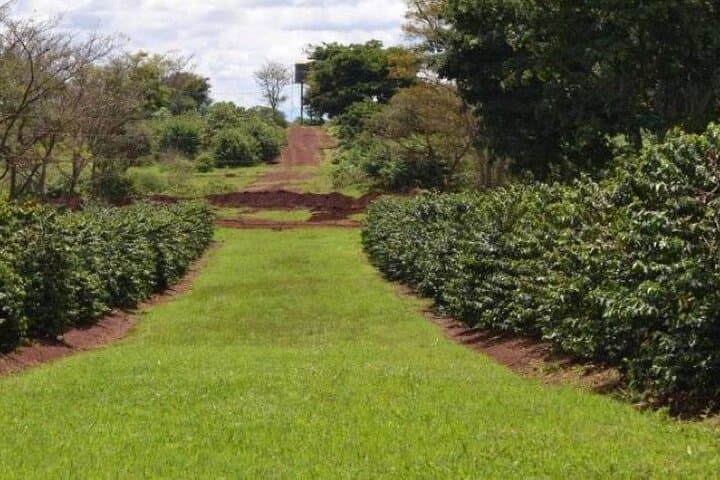
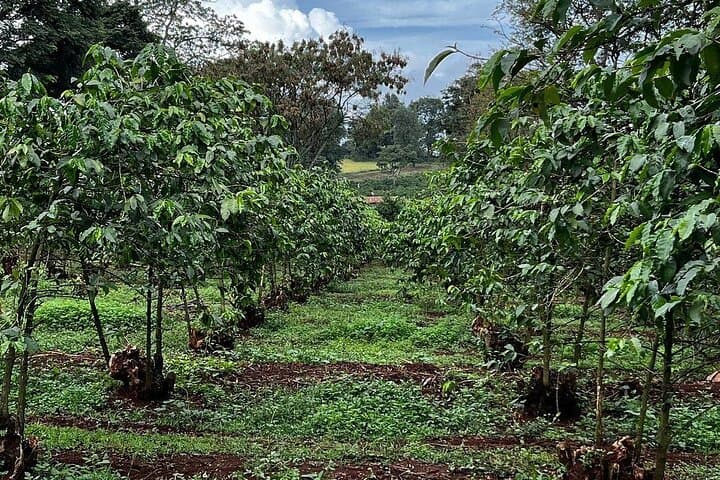
Morning light cuts across the estate as the van eases onto the farm road; leaves whisper and the air takes on the sharp, clean note of green coffee cherries. A Fairview Coffee Farm tour places you inside that process — from field rows to the roasting lab — in a compact four-hour loop that moves at a steady, explanatory pace.
Morning light cuts across the estate as the van eases onto the farm road; leaves whisper and the air takes on the sharp, clean note of green coffee cherries. A Fairview Coffee Farm tour places you inside that process — from field rows to the roasting lab — in a compact four-hour loop that moves at a steady, explanatory pace.
Fairview sits in the highlands north of Nairobi, part of Kenya’s long-established coffee belt where volcanic soils and steady equatorial rains produce bright, acidic beans. The guide frames coffee here as a cultural crop: colonial-era plantations gave way to cooperative and estate models, and modern farms mix export production with on-site tastings and retail. Geologically, the highland clay over volcanic rock channels water into terraced beds, favoring Arabica varieties that develop complex citrus and floral notes.
On the tour expect three phases: a short drive and farm orientation, a walkthrough of the processing line and milling operations, then the roast lab and tasting in the garden. Staff demonstrate sorting, pulping and drying; in the lab you’ll smell roasting profiles and cup a few brews. The garden tasting offers straightforward snacks and a chance to buy beans roasted to order.
Practical guidance: arrive with sun protection and closed shoes for uneven ground; the tour is low-impact and suitable for most fitness levels but includes walking on packed dirt and steps. Plan visits outside the long rainy season for drier paths and fuller outdoor time. Bring a small cooler or airtight bag if you plan to bring back beans — freshness matters. The visit is ideal for curious travelers who want a concise, hands-on look at Kenyan coffee from plant to cup.
