THE ADVENTURE COLLECTIVE® · Independent discovery and booking for outdoor travel

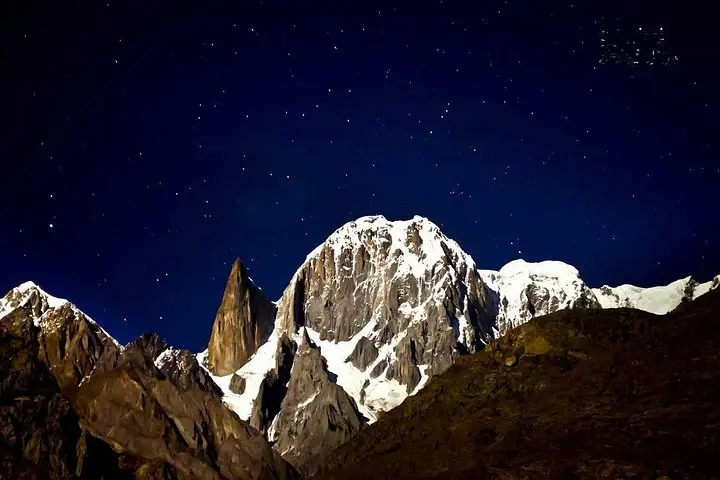
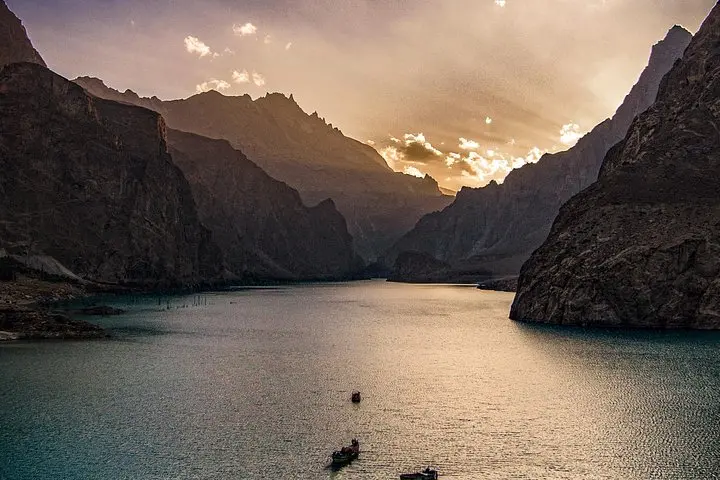
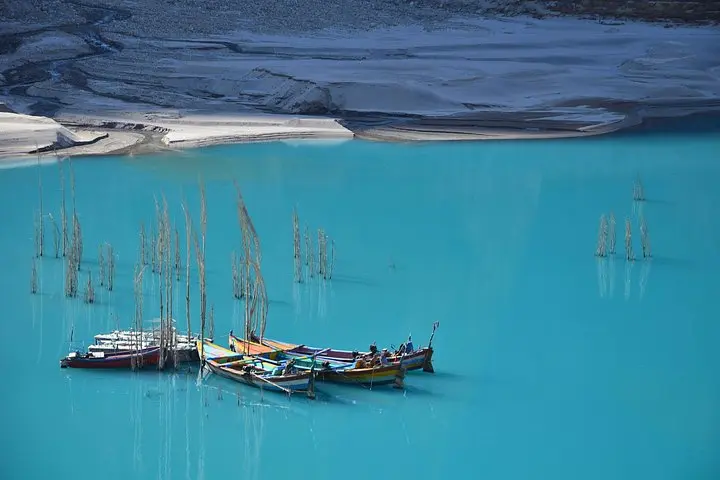
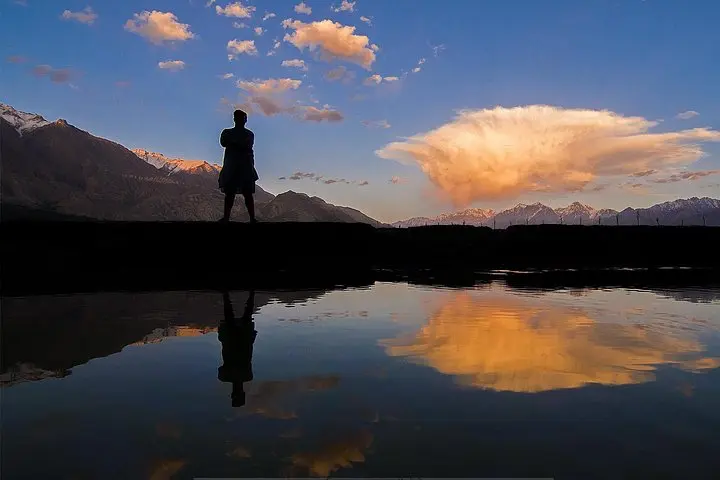
Spend seven days in the Karakoram moving from the high grass of Fairy Meadows beneath Nanga Parbat to the stony forts and blue lakes of Hunza. Expect jeep tracks, short alpine treks, basic camps and a front‑row view of some of Pakistan’s highest peaks.
Spend seven days in the Karakoram moving from the high grass of Fairy Meadows beneath Nanga Parbat to the stony forts and blue lakes of Hunza. Expect jeep tracks, short alpine treks, basic camps and a front‑row view of some of Pakistan’s highest peaks.
A cold wind cuts across the high grass as you step off the jeep at Tattu and stare up at Nanga Parbat’s colossal north face. The meadow opens like a green runway toward the mountain; pines lean toward the sun and a thin ribbon of glacier melt dares you to follow its sound. That first evening, tea steams under a wide sky and the alpine air sharpens your senses.
Verified experiences and guided adventures in the surrounding area.
Operated by Find My Adventure · Chilas, Gilgit-Baltistan
A cold wind cuts across the high grass as you step off the jeep at Tattu and stare up at Nanga Parbat’s colossal north face. The meadow opens like a green runway toward the mountain; pines lean toward the sun and a thin ribbon of glacier melt dares you to follow its sound. That first evening, tea steams under a wide sky and the alpine air sharpens your senses.
This route threads modern Hunza’s stone forts and terraced orchards with the older geology of the Karakoram—gneiss and granite towers hewn by glaciers over millennia. Hunza’s Baltit and Altit forts recall centuries of Silk Road trade and local mountain rulership; Khunjerab Pass marks the high‑altitude gate to China. Local culture here is warm and practical: guesthouses, mulberry orchards, and shepherd trails that double as community arteries.
Practically, expect rough jeep tracks to Raikot Bridge, a 3–5 hour uphill trek from Tattu to Fairy Meadows (about 3–4 km with 300–500 m of gain depending on route), and nights spent in tents or basic huts. Acclimatize slowly, carry layers for sudden cold, and keep cash for small village purchases and permits. Daylight is precious—start treks early to avoid afternoon wind and to catch the best glacier light. Water sources are generally available but treat or filter before drinking. Respect grazing areas and local customs; lower voice and ask before photographing people.
This week is part camping, part cultural touring—bring a dependable sleeping system, plan for variable weather, and leave extra time in Hunza for lakeside detours and fortress visits.
No special tourist permit is required for Fairy Meadows itself, but check local requirements for Khunjerab Pass and border areas; carry passport and travel documents when crossing into northern border zones.
The common route from Tattu to Fairy Meadows is a moderate uphill trek of a few kilometers with uneven terrain—basic fitness and sturdy boots are advised; porters or horses may be available locally for extra gear.
Late spring to early autumn (May–September) has the most stable access and open mountain passes; winter brings heavy snow and limited road access.
Both are possible: the itinerary includes camping with tents and sleeping bags provided, while simple huts exist at Fairy Meadows for extra cost—expect basic accommodations.
Find My Adventure operates guided outdoor trips and adventures with an emphasis on safety, stewardship, and memorable experiences.
A cold wind cuts across the high grass as you step off the jeep at Tattu and stare up at Nanga Parbat’s colossal north face. The meadow opens like a green runway toward the mountain; pines lean toward the sun and a thin ribbon of glacier melt dares you to follow its sound. That first evening, tea steams under a wide sky and the alpine air sharpens your senses.
A cold wind cuts across the high grass as you step off the jeep at Tattu and stare up at Nanga Parbat’s colossal north face. The meadow opens like a green runway toward the mountain; pines lean toward the sun and a thin ribbon of glacier melt dares you to follow its sound. That first evening, tea steams under a wide sky and the alpine air sharpens your senses.
This route threads modern Hunza’s stone forts and terraced orchards with the older geology of the Karakoram—gneiss and granite towers hewn by glaciers over millennia. Hunza’s Baltit and Altit forts recall centuries of Silk Road trade and local mountain rulership; Khunjerab Pass marks the high‑altitude gate to China. Local culture here is warm and practical: guesthouses, mulberry orchards, and shepherd trails that double as community arteries.
Practically, expect rough jeep tracks to Raikot Bridge, a 3–5 hour uphill trek from Tattu to Fairy Meadows (about 3–4 km with 300–500 m of gain depending on route), and nights spent in tents or basic huts. Acclimatize slowly, carry layers for sudden cold, and keep cash for small village purchases and permits. Daylight is precious—start treks early to avoid afternoon wind and to catch the best glacier light. Water sources are generally available but treat or filter before drinking. Respect grazing areas and local customs; lower voice and ask before photographing people.
This week is part camping, part cultural touring—bring a dependable sleeping system, plan for variable weather, and leave extra time in Hunza for lakeside detours and fortress visits.