THE ADVENTURE COLLECTIVE® · Independent discovery and booking for outdoor travel

Descend a cable car into a warm, sheltered coastal shelf where tropical fruit terraces meet a pebbled Atlantic shore. This private visit to Fajã dos Padres mixes easy walking, local gastronomy and quiet beach time—perfect for a relaxed half-day on Madeira’s southern coast.
Descend a cable car into a warm, sheltered coastal shelf where tropical fruit terraces meet a pebbled Atlantic shore. This private visit to Fajã dos Padres mixes easy walking, local gastronomy and quiet beach time—perfect for a relaxed half-day on Madeira’s southern coast.
You step onto a small wooden platform and the cable car hums, lowering you down the cliff face while the Atlantic stretches like a slow, indigo breath below. The cliff seems to watch as terraces of banana and papaya unfurl at your feet; gulls wheel and the sea’s edge scours a narrow pebble beach where fishermen once landed by rowboat.
Verified experiences and guided adventures in the surrounding area.
Operated by Pearl of the Atlantic · Câmara de Lobos, Madeira
You step onto a small wooden platform and the cable car hums, lowering you down the cliff face while the Atlantic stretches like a slow, indigo breath below. The cliff seems to watch as terraces of banana and papaya unfurl at your feet; gulls wheel and the sea’s edge scours a narrow pebble beach where fishermen once landed by rowboat.
Fajã dos Padres occupies a narrow shelf at the foot of one of Europe’s highest sea cliffs. Historically isolated, it became famed for its microclimate and tropical crops—bananas, avocados and exotic fruits that arrived with sailors and later supported small-scale organic farming. The geology is sheer basalt and volcanic soils that hold heat, creating a warm pocket of vegetation unusual on Madeira’s rugged south coast.
Culturally the place is small and practical: cottages, a beachfront restaurant serving Madeiran specialties, and terraces cultivated by hand. The cable car is the modern lifeline; before it, access was by steep path or boat.
Practical guidance: expect a short, easy walk across packed dirt and stone paths—comfortable shoes are enough. The cable car is shared with other visitors and may close in high winds; check conditions. Plan a lunch at the restaurant or bring water; there’s limited shade in midday. Photography rewards themselves at golden hour when cliffs and sea sharpen.
This private visit blends easy coastal walking, a peek at organic island agriculture, and quiet shoreline time—ideal for travelers wanting nature, food and slow-paced exploration without a strenuous hike.
Most visitors arrive by private transfer or local road then descend by the cable car that connects the cliff top to the shore; some tours include pickup from Funchal.
Yes—this private visit typically includes the cable car ticket but expect it to be shared with other visitors on the descent.
There is a beachfront restaurant and basic facilities at the settlement, but options are limited—bring essentials and any dietary needs.
Yes—the terrain is easy but uneven in places; children should be supervised near the beach and cliffs.
Pearl of the Atlantic operates guided outdoor trips and adventures with an emphasis on safety, stewardship, and memorable experiences.
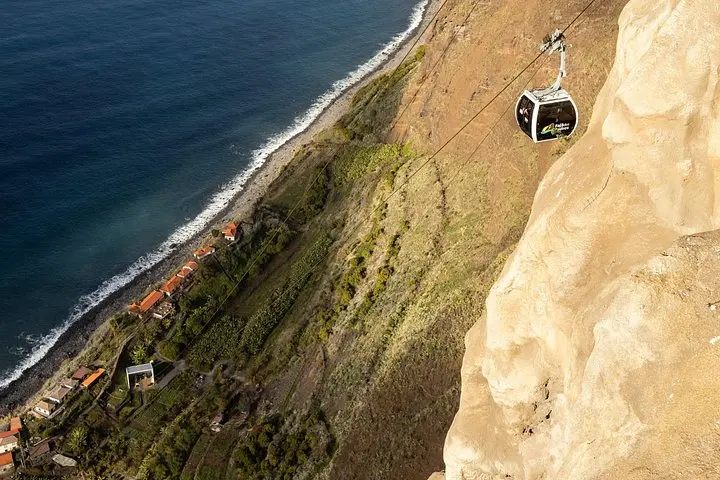
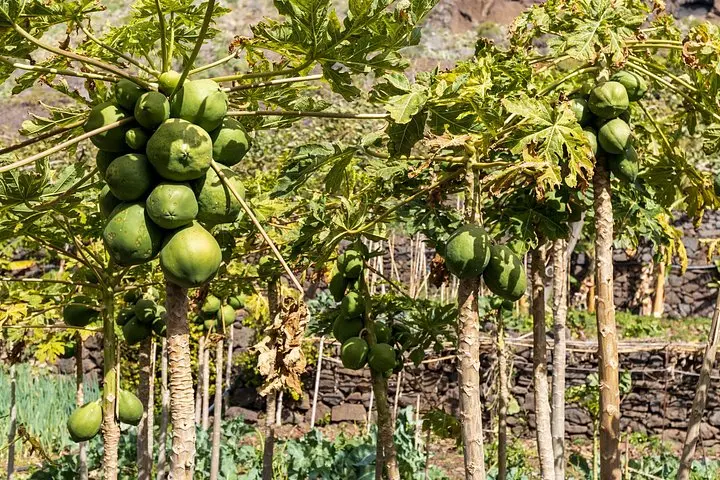
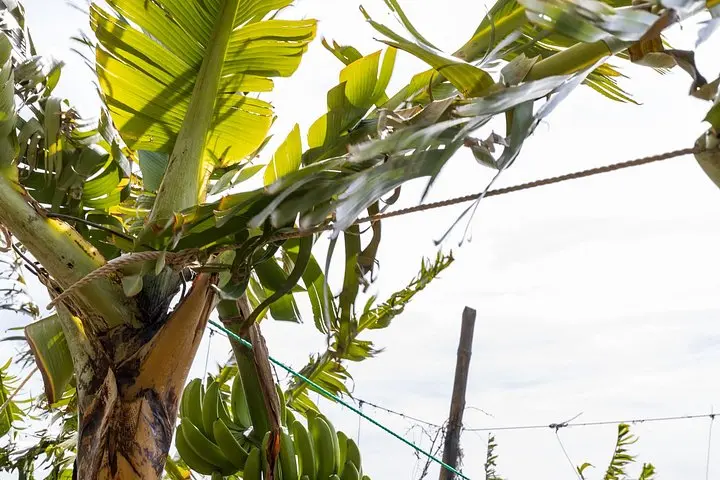
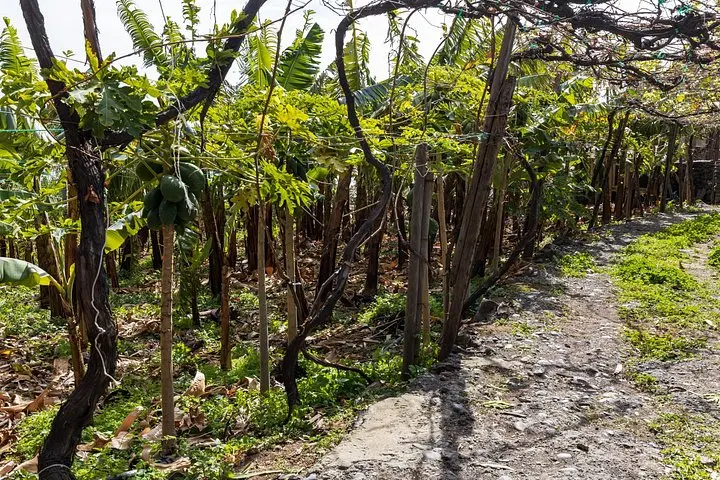
You step onto a small wooden platform and the cable car hums, lowering you down the cliff face while the Atlantic stretches like a slow, indigo breath below. The cliff seems to watch as terraces of banana and papaya unfurl at your feet; gulls wheel and the sea’s edge scours a narrow pebble beach where fishermen once landed by rowboat.
You step onto a small wooden platform and the cable car hums, lowering you down the cliff face while the Atlantic stretches like a slow, indigo breath below. The cliff seems to watch as terraces of banana and papaya unfurl at your feet; gulls wheel and the sea’s edge scours a narrow pebble beach where fishermen once landed by rowboat.
Fajã dos Padres occupies a narrow shelf at the foot of one of Europe’s highest sea cliffs. Historically isolated, it became famed for its microclimate and tropical crops—bananas, avocados and exotic fruits that arrived with sailors and later supported small-scale organic farming. The geology is sheer basalt and volcanic soils that hold heat, creating a warm pocket of vegetation unusual on Madeira’s rugged south coast.
Culturally the place is small and practical: cottages, a beachfront restaurant serving Madeiran specialties, and terraces cultivated by hand. The cable car is the modern lifeline; before it, access was by steep path or boat.
Practical guidance: expect a short, easy walk across packed dirt and stone paths—comfortable shoes are enough. The cable car is shared with other visitors and may close in high winds; check conditions. Plan a lunch at the restaurant or bring water; there’s limited shade in midday. Photography rewards themselves at golden hour when cliffs and sea sharpen.
This private visit blends easy coastal walking, a peek at organic island agriculture, and quiet shoreline time—ideal for travelers wanting nature, food and slow-paced exploration without a strenuous hike.