THE ADVENTURE COLLECTIVE® · Independent discovery and booking for outdoor travel

Spend a private day driving west from Chania to Falassarna: visit a 2000‑BC olive tree, taste local wine at a small producer, then relax for two hours on one of Crete’s clearest, least crowded beaches. This practical day trip blends archaeology, agriculture and seaside time.
Spend a private day driving west from Chania to Falassarna: visit a 2000‑BC olive tree, taste local wine at a small producer, then relax for two hours on one of Crete’s clearest, least crowded beaches. This practical day trip blends archaeology, agriculture and seaside time.
You arrive on a quiet west-facing shore where the water pulls light into a blue so clear it almost counts as a map. Wind brushes low scrub; the beach stretches like an open palm. The driver slips you through stone villages, olive groves, and a roadside olive tree that predates most written histories — a living marker of millennia.
Verified experiences and guided adventures in the surrounding area.
Operated by Niriis Tours · Chania, Crete
You arrive on a quiet west-facing shore where the water pulls light into a blue so clear it almost counts as a map. Wind brushes low scrub; the beach stretches like an open palm. The driver slips you through stone villages, olive groves, and a roadside olive tree that predates most written histories — a living marker of millennia.
Falassarna’s bay is geologically young sand and pebbles, carved by rains and winter swell into long, shallow shelves that push clear, warm water toward your toes. Human stories here run deep: Bronze Age harbors once traded wine and oil outward across the Mediterranean, and today small wineries carry that lineage forward in simpler bottles and hands-on tastings.
Culture on this coast is practical and convivial — small plates, slow-poured wine, and guides who can point to a WWII relic or a quiet monastery if you ask. The tour’s rhythm mirrors the place: a short, reflective stop at the ancient olive, a tasting at a local winery (tasting fees typically ~€20), then two hours of beach time at Falassarna — enough to swim, walk the sand, or read under an umbrella.
Practical guidance: bring cash for tastings and sunbeds (25–100€), a reef-friendly sunscreen, and a light wind layer for late afternoons when sea breezes sharpen. The route is accessible and easy-going; tours run seasonally from April through early November and are private by design, so you can customize stops — think WWII sites, a monastery, or an olive-oil tasting if you prefer. Timing matters: no weekend or holiday departures, so plan midweek to secure a slot.
Tastings are usually paid on site and typically cost around €20 per person, though prices vary by winery.
Yes — the tour notes stroller accessibility and welcomes families; beach facilities vary by operator location.
The provider lists wheelchair accessibility; confirm pickup location and specific needs when booking to ensure suitable arrangements.
Full refunds are typically available if you cancel at least 24 hours before departure; check the booking terms for exact conditions.
Niriis Tours operates guided outdoor trips and adventures with an emphasis on safety, stewardship, and memorable experiences.
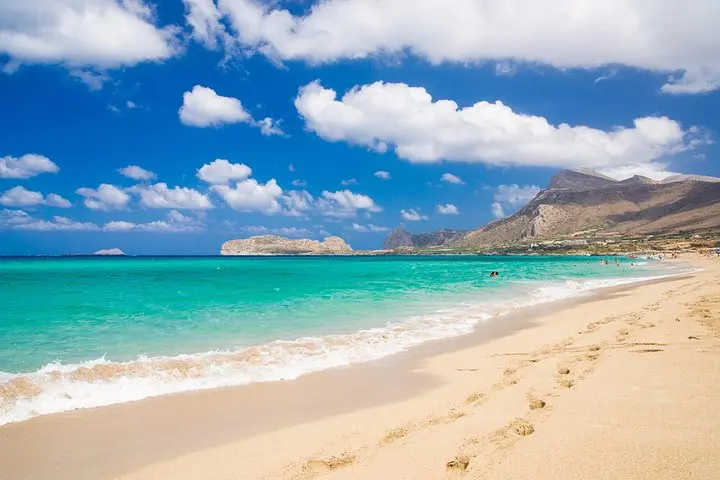
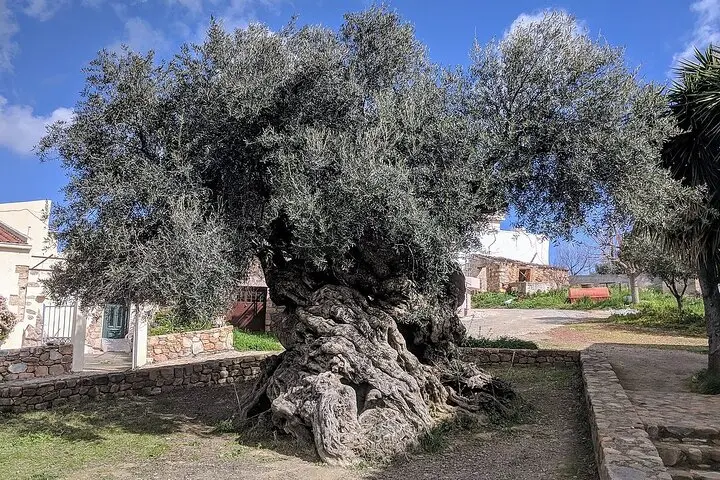
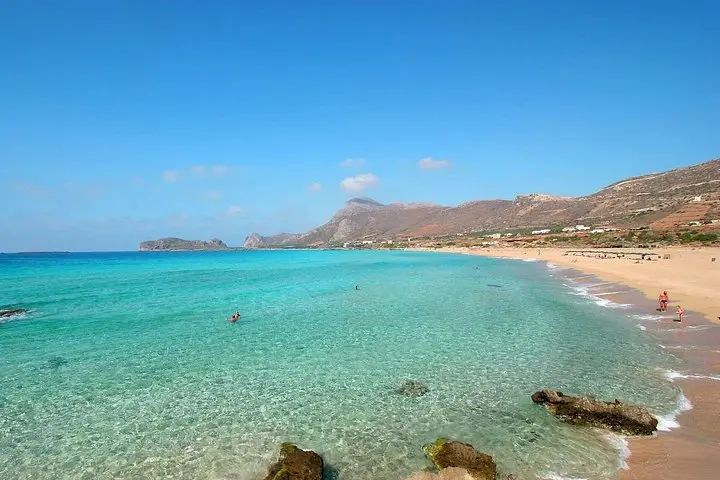
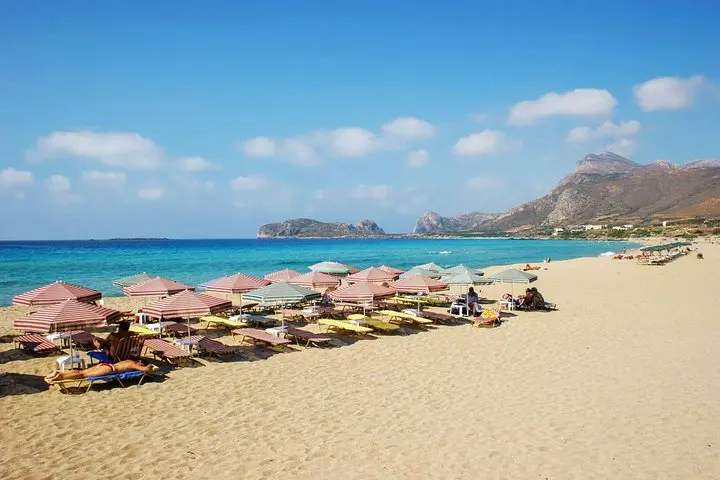
You arrive on a quiet west-facing shore where the water pulls light into a blue so clear it almost counts as a map. Wind brushes low scrub; the beach stretches like an open palm. The driver slips you through stone villages, olive groves, and a roadside olive tree that predates most written histories — a living marker of millennia.
You arrive on a quiet west-facing shore where the water pulls light into a blue so clear it almost counts as a map. Wind brushes low scrub; the beach stretches like an open palm. The driver slips you through stone villages, olive groves, and a roadside olive tree that predates most written histories — a living marker of millennia.
Falassarna’s bay is geologically young sand and pebbles, carved by rains and winter swell into long, shallow shelves that push clear, warm water toward your toes. Human stories here run deep: Bronze Age harbors once traded wine and oil outward across the Mediterranean, and today small wineries carry that lineage forward in simpler bottles and hands-on tastings.
Culture on this coast is practical and convivial — small plates, slow-poured wine, and guides who can point to a WWII relic or a quiet monastery if you ask. The tour’s rhythm mirrors the place: a short, reflective stop at the ancient olive, a tasting at a local winery (tasting fees typically ~€20), then two hours of beach time at Falassarna — enough to swim, walk the sand, or read under an umbrella.
Practical guidance: bring cash for tastings and sunbeds (25–100€), a reef-friendly sunscreen, and a light wind layer for late afternoons when sea breezes sharpen. The route is accessible and easy-going; tours run seasonally from April through early November and are private by design, so you can customize stops — think WWII sites, a monastery, or an olive-oil tasting if you prefer. Timing matters: no weekend or holiday departures, so plan midweek to secure a slot.