THE ADVENTURE COLLECTIVE® · Independent discovery and booking for outdoor travel

Step inside the world’s largest falcon clinic in Abu Dhabi to see veterinary care, telemetry, and the living history of falconry. This four-hour tour blends hands-on animal welfare with cultural context and practical access information.
Step inside the world’s largest falcon clinic in Abu Dhabi to see veterinary care, telemetry, and the living history of falconry. This four-hour tour blends hands-on animal welfare with cultural context and practical access information.
The air feels different the moment you step from Abu Dhabi’s flat, sun-bright avenues into the hospital’s cooling corridors: a hush threaded with soft coos and the snap of wings.
Verified experiences and guided adventures in the surrounding area.
Operated by Extreme Arabia · Abu Dhabi, Abu Dhabi
The air feels different the moment you step from Abu Dhabi’s flat, sun-bright avenues into the hospital’s cooling corridors: a hush threaded with soft coos and the snap of wings.
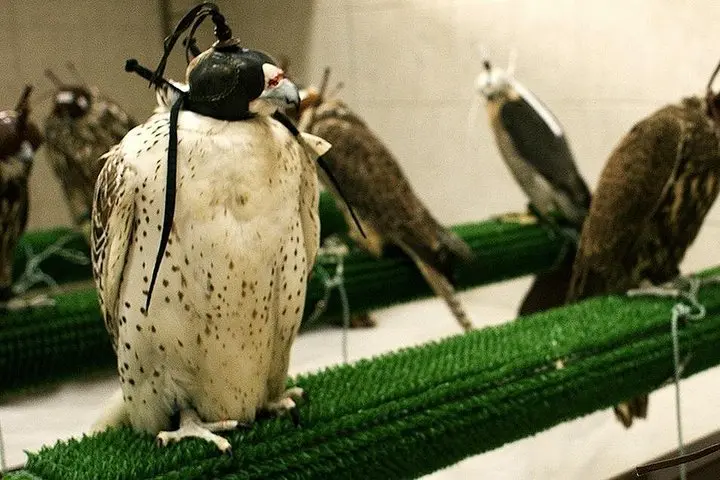
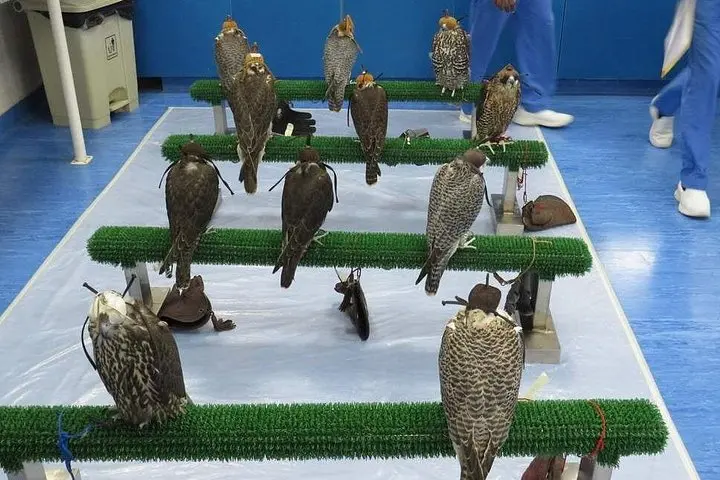
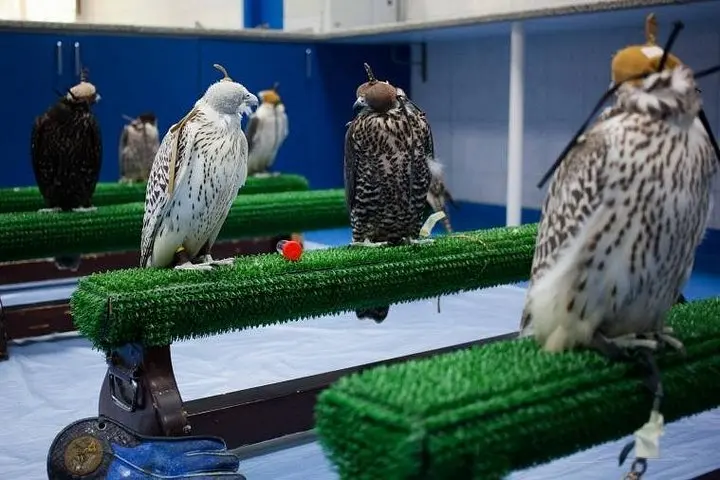
At the Abu Dhabi Falcon Hospital you stand close to a working archive of the UAE’s oldest living tradition—falconry—where birds rest in 200 climate-controlled treatment rooms and veterinary staff move with quiet purpose. Opened in 1999 under a German veterinary surgeon’s direction, the hospital treats roughly 6,000 birds a year, offering everything from routine checkups and telemetry fitting to emergency surgery.
Geology and climate matter here: the low, saline coastal plain and nearby desert shape the falcons’ prey and flight patterns, and the facility’s design protects raptors from heat and dust. Culturally, the hospital is an extension of Emirati identity—falconry is both sport and heritage, and the clinic doubles as a center for education and rehabilitation.
Expect guided tours through treatment areas, viewing of X-rays and beak-and-talon care, and a chance to learn about banding and telemetry. Photography is usually allowed but follow staff directions; the birds’ stress levels dictate access. Tours run about four hours including pickup options; the site is wheelchair accessible and family-friendly.
Practical prep: wear sun protection for outdoor transfers, bring a lightweight layer for air-conditioned rooms, and carry water—heat can arrive suddenly even in a short visit. The experience combines close-up animal care with broader insights into conservation and a living cultural practice—an efficient, singular way to meet the UAE’s national bird.
The standard tour lasts about four hours, including any provided pickup and drop-off transfers.
Yes—facilities, transportation options, and surfaces are wheelchair accessible; notify providers when booking for assistance.
Photography is generally allowed but staff will set limits—no flash, and handling is only permitted under staff supervision.
Yes—infants may attend but must sit on an adult’s lap; specialized infant seats and stroller access are available.
Extreme Arabia operates guided outdoor trips and adventures with an emphasis on safety, stewardship, and memorable experiences.
The air feels different the moment you step from Abu Dhabi’s flat, sun-bright avenues into the hospital’s cooling corridors: a hush threaded with soft coos and the snap of wings.
The air feels different the moment you step from Abu Dhabi’s flat, sun-bright avenues into the hospital’s cooling corridors: a hush threaded with soft coos and the snap of wings.
At the Abu Dhabi Falcon Hospital you stand close to a working archive of the UAE’s oldest living tradition—falconry—where birds rest in 200 climate-controlled treatment rooms and veterinary staff move with quiet purpose. Opened in 1999 under a German veterinary surgeon’s direction, the hospital treats roughly 6,000 birds a year, offering everything from routine checkups and telemetry fitting to emergency surgery.
Geology and climate matter here: the low, saline coastal plain and nearby desert shape the falcons’ prey and flight patterns, and the facility’s design protects raptors from heat and dust. Culturally, the hospital is an extension of Emirati identity—falconry is both sport and heritage, and the clinic doubles as a center for education and rehabilitation.
Expect guided tours through treatment areas, viewing of X-rays and beak-and-talon care, and a chance to learn about banding and telemetry. Photography is usually allowed but follow staff directions; the birds’ stress levels dictate access. Tours run about four hours including pickup options; the site is wheelchair accessible and family-friendly.
Practical prep: wear sun protection for outdoor transfers, bring a lightweight layer for air-conditioned rooms, and carry water—heat can arrive suddenly even in a short visit. The experience combines close-up animal care with broader insights into conservation and a living cultural practice—an efficient, singular way to meet the UAE’s national bird.