THE ADVENTURE COLLECTIVE® · Independent discovery and booking for outdoor travel

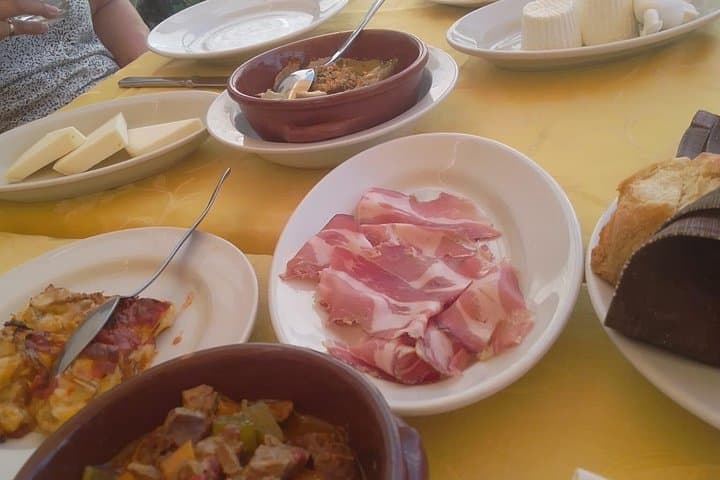
Ride family-friendly country lanes through the limestone folds of Valle d'Itria, cross the Apulian Aqueduct cycle path, then finish at a farm tasting of local cheeses and salumi. A gentle, assisted-ride that mixes easy pedaling with regional food culture.
Ride family-friendly country lanes through the limestone folds of Valle d'Itria, cross the Apulian Aqueduct cycle path, then finish at a farm tasting of local cheeses and salumi. A gentle, assisted-ride that mixes easy pedaling with regional food culture.
You roll out from Masseria Madonna dell'Arco with the warm smell of olive oil in the air and small limestone walls guiding the lane. Children pedal with assisted power while the valley opens: low, rounded hills threaded by white-washed trulli and orchards. The quiet country roads feel forgiving — the e-bike does the heavy work and the landscape dares you to slow down and look.
Verified experiences and guided adventures in the surrounding area.
Operated by ebike Puglia · Locorotondo, Puglia
You roll out from Masseria Madonna dell'Arco with the warm smell of olive oil in the air and small limestone walls guiding the lane. Children pedal with assisted power while the valley opens: low, rounded hills threaded by white-washed trulli and orchards. The quiet country roads feel forgiving — the e-bike does the heavy work and the landscape dares you to slow down and look.
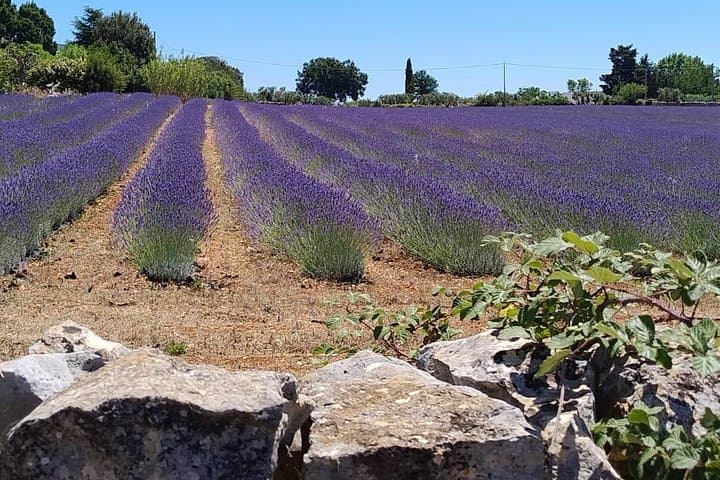
This route runs through the Itria Valley between Locorotondo and Martina Franca, a landscape shaped by Pleistocene karst limestone and centuries of dry‑stone farming. The compact trulli houses and squared terraces tell a working-history of shepherding, olive cultivation and small dairies; today those traditions show up in caciocavallo and cured meats on a farm platter. The Apulian Aqueduct cycle path cuts a straight, predictable line across the terrain, making it ideal for families and riders who prefer steady surfaces over steep climbs.
Practical guidance: expect roughly 15–25 km of mostly paved, low‑traffic country roads and dedicated cycle-path sections, with cumulative elevation gain under 300 m — easy for assisted bikes and young riders (from about age 7). Start in the morning or late afternoon to avoid mid-day heat, carry water and sun protection, and allow time at the end for the farm tasting where locally produced cheeses, salumi and bread anchor the experience. Helmets and child seats are typically provided; book in advance for private family departures. This is an accessible, sensory way to meet Apulia’s landscape and food culture without a car.
Specialized e‑bike child seats are typically available and the operator accepts riders from about age 7 on e-bikes; confirm when booking.
Expect roughly 15–25 km total on mostly flat to gently rolling terrain with under ~300 m cumulative elevation—e-bikes handle the grades easily.
Yes—use of e-bikes and usually helmets are included; request child seats and correct helmet sizes when you book.
Tastings feature regional cheeses, meats and breads—contact the operator in advance to arrange vegetarian, vegan or allergy‑friendly options.
ebike Puglia operates guided outdoor trips and adventures with an emphasis on safety, stewardship, and memorable experiences.
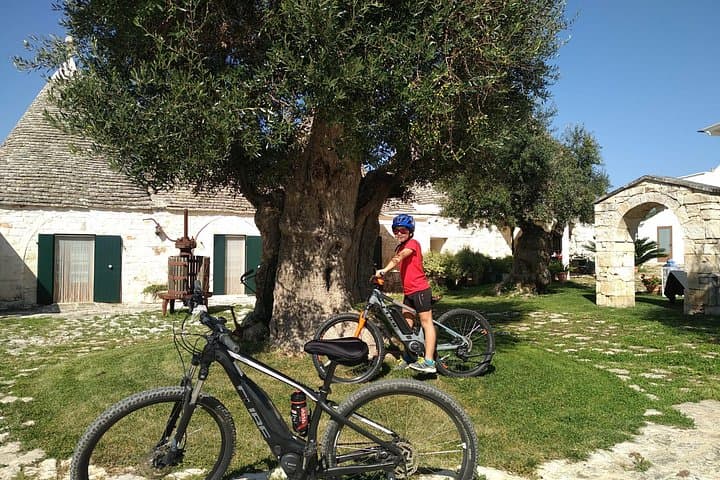

You roll out from Masseria Madonna dell'Arco with the warm smell of olive oil in the air and small limestone walls guiding the lane. Children pedal with assisted power while the valley opens: low, rounded hills threaded by white-washed trulli and orchards. The quiet country roads feel forgiving — the e-bike does the heavy work and the landscape dares you to slow down and look.
You roll out from Masseria Madonna dell'Arco with the warm smell of olive oil in the air and small limestone walls guiding the lane. Children pedal with assisted power while the valley opens: low, rounded hills threaded by white-washed trulli and orchards. The quiet country roads feel forgiving — the e-bike does the heavy work and the landscape dares you to slow down and look.
This route runs through the Itria Valley between Locorotondo and Martina Franca, a landscape shaped by Pleistocene karst limestone and centuries of dry‑stone farming. The compact trulli houses and squared terraces tell a working-history of shepherding, olive cultivation and small dairies; today those traditions show up in caciocavallo and cured meats on a farm platter. The Apulian Aqueduct cycle path cuts a straight, predictable line across the terrain, making it ideal for families and riders who prefer steady surfaces over steep climbs.
Practical guidance: expect roughly 15–25 km of mostly paved, low‑traffic country roads and dedicated cycle-path sections, with cumulative elevation gain under 300 m — easy for assisted bikes and young riders (from about age 7). Start in the morning or late afternoon to avoid mid-day heat, carry water and sun protection, and allow time at the end for the farm tasting where locally produced cheeses, salumi and bread anchor the experience. Helmets and child seats are typically provided; book in advance for private family departures. This is an accessible, sensory way to meet Apulia’s landscape and food culture without a car.