THE ADVENTURE COLLECTIVE® · Independent discovery and booking for outdoor travel

Spend a private day exploring Herculaneum’s preserved Roman streets and pick one or two Amalfi Coast towns—Positano, Amalfi, Ravello, or Sorrento—with a Blue‑Badge guide. Family‑friendly options keep kids engaged while skip‑the‑line access and private transport make the most of an 8–9 hour day.
Spend a private day exploring Herculaneum’s preserved Roman streets and pick one or two Amalfi Coast towns—Positano, Amalfi, Ravello, or Sorrento—with a Blue‑Badge guide. Family‑friendly options keep kids engaged while skip‑the‑line access and private transport make the most of an 8–9 hour day.
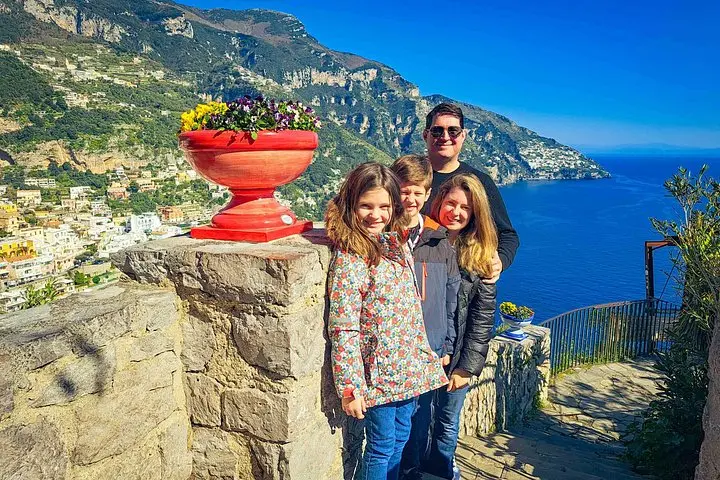
You step into the van in Naples just after sunrise, the coastal road unspooling like a ribbon toward the southern flank of Vesuvius. The driver threads the Amalfi Drive; terraces of lemon trees and stacked houses lean into the cliffs while the Mediterranean tugs at beaches below. Later the ground changes—ancient streets underfoot, stone that remembers a different kind of heat.
Verified experiences and guided adventures in the surrounding area.
Operated by Leisure Italy · Ercolano, Campania
You step into the van in Naples just after sunrise, the coastal road unspooling like a ribbon toward the southern flank of Vesuvius. The driver threads the Amalfi Drive; terraces of lemon trees and stacked houses lean into the cliffs while the Mediterranean tugs at beaches below. Later the ground changes—ancient streets underfoot, stone that remembers a different kind of heat.
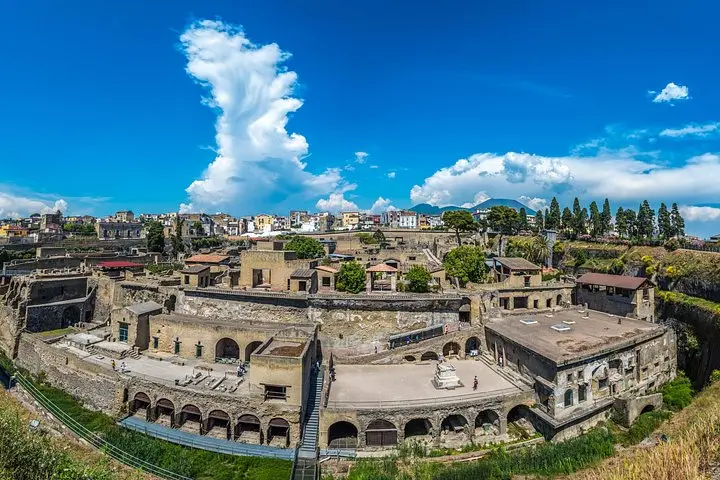
Herculaneum was overwhelmed by Vesuvius in 79 AD and preserved by dense pyroclastic flows; unlike Pompeii, organic material like wood and the shapes of victims survived in remarkable detail. The Amalfi Coast is younger in its cultural layering: medieval maritime republic, ceramic workshops, cliffside gardens carved from tufa. A Blue‑Badge guide brings history and geology to life—explaining volcanic deposits, Roman domestic life, and why Villa Rufolo’s terraces command views.
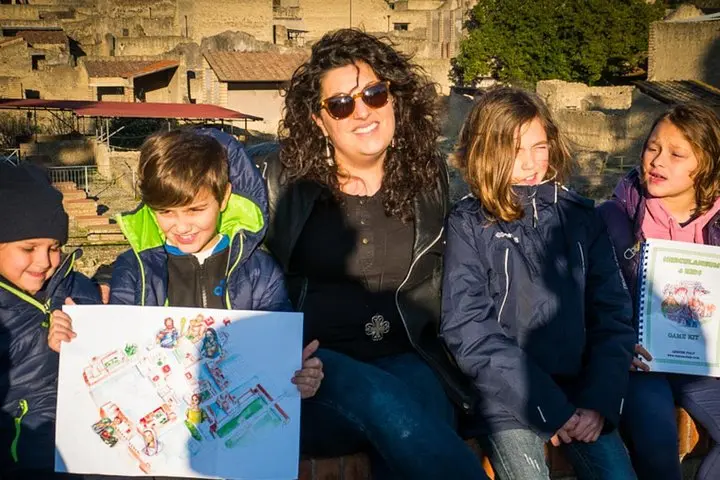
This private 8–9 hour tour balances archaeology with coastal stops: pick Positano’s boutiques and pebble beach, Ravello’s gardens and viewpoints, or Sorrento’s clifftop piazzas. The family option includes activity books and games for kids 6–11, making the ruins more accessible.
Practical notes: expect several hundred meters of walking on uneven, ancient stone and steps inside Herculaneum; sun and coastal winds are constant companions. Skip‑the‑line admission and private transport save time, but one day only permits one or two coastal towns plus the archaeological site. Bring sun protection, layered clothing for breeze and shade, and a small daypack for water and snacks. Plan stops with your guide to match kids’ attention spans and mobility needs.
Yes—skip‑the‑line tickets for Herculaneum are included so your group can enter quickly with the private guide.
Typically one or two towns beyond Herculaneum—travel time and family pacing usually limit stops to two to keep the day comfortable.
Yes—the family itinerary is designed for ages 6–11 with interactive tools and activities, but expect a fair amount of walking; strollers may be difficult in the archaeological site.
Pickups are arranged from central Naples locations (hotel or port) with round‑trip private transport; confirm your pickup point when booking.
Leisure Italy operates guided outdoor trips and adventures with an emphasis on safety, stewardship, and memorable experiences.
You step into the van in Naples just after sunrise, the coastal road unspooling like a ribbon toward the southern flank of Vesuvius. The driver threads the Amalfi Drive; terraces of lemon trees and stacked houses lean into the cliffs while the Mediterranean tugs at beaches below. Later the ground changes—ancient streets underfoot, stone that remembers a different kind of heat.
You step into the van in Naples just after sunrise, the coastal road unspooling like a ribbon toward the southern flank of Vesuvius. The driver threads the Amalfi Drive; terraces of lemon trees and stacked houses lean into the cliffs while the Mediterranean tugs at beaches below. Later the ground changes—ancient streets underfoot, stone that remembers a different kind of heat.
Herculaneum was overwhelmed by Vesuvius in 79 AD and preserved by dense pyroclastic flows; unlike Pompeii, organic material like wood and the shapes of victims survived in remarkable detail. The Amalfi Coast is younger in its cultural layering: medieval maritime republic, ceramic workshops, cliffside gardens carved from tufa. A Blue‑Badge guide brings history and geology to life—explaining volcanic deposits, Roman domestic life, and why Villa Rufolo’s terraces command views.
This private 8–9 hour tour balances archaeology with coastal stops: pick Positano’s boutiques and pebble beach, Ravello’s gardens and viewpoints, or Sorrento’s clifftop piazzas. The family option includes activity books and games for kids 6–11, making the ruins more accessible.
Practical notes: expect several hundred meters of walking on uneven, ancient stone and steps inside Herculaneum; sun and coastal winds are constant companions. Skip‑the‑line admission and private transport save time, but one day only permits one or two coastal towns plus the archaeological site. Bring sun protection, layered clothing for breeze and shade, and a small daypack for water and snacks. Plan stops with your guide to match kids’ attention spans and mobility needs.