THE ADVENTURE COLLECTIVE® · Independent discovery and booking for outdoor travel

A short, family-friendly exploration of the Carew Castle shoreline led by the Wild Science team. Use nets and magnifiers to meet fiddler crabs, wading birds and salt-marsh plants during a one-hour accessible walk.
A short, family-friendly exploration of the Carew Castle shoreline led by the Wild Science team. Use nets and magnifiers to meet fiddler crabs, wading birds and salt-marsh plants during a one-hour accessible walk.
Book with WildSpace
Verified experiences and guided adventures in the surrounding area.
Operated by WildSpace · Carew, Wales
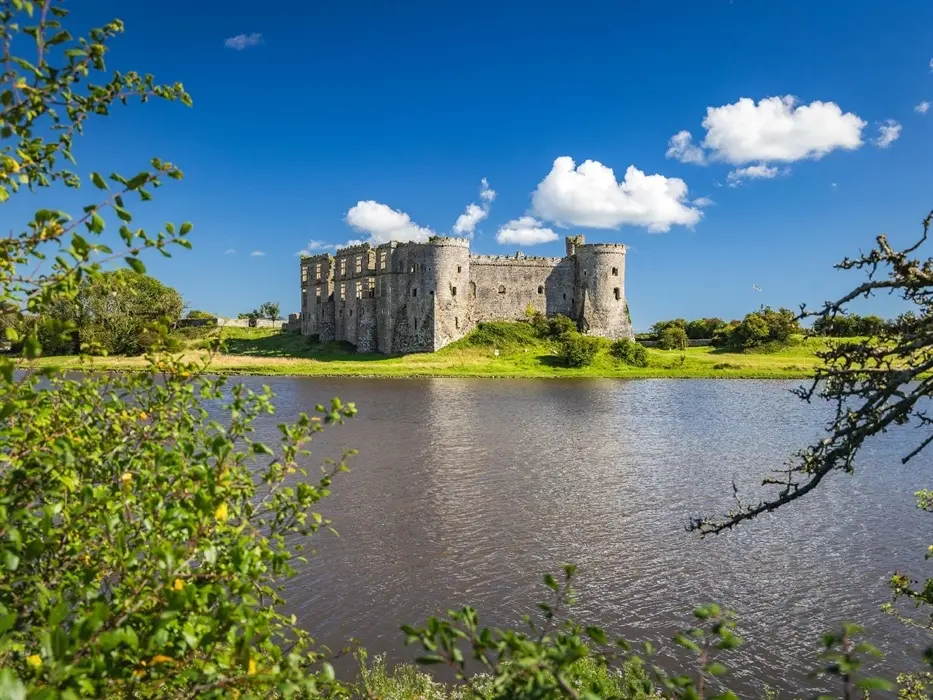
At the edge of the Milford Haven estuary, Carew Castle is a compact slice of Pembrokeshire history where stone walls look out across salt marshes and tidal creeks. Wildlife Walks — Carew Castle invites families and curious adults to step beyond the battlements and into the living landscape that surrounds this ruined medieval stronghold. Led by the Wild Science team, the one-hour experience begins at Oriel y Parc, St Davids, and uses simple tools—nets, magnifiers and field guides—to reveal the small, often-overlooked creatures that make the estuary pulse. This is a short, accessible stroll for all ages (minimum age 4) and small groups capped at fifteen people. General admission to Carew Castle applies, and the route is designed to accommodate prams and wheelchairs so everyone can get close to seaweeds, mudflat invertebrates and salt-marsh plants. The tidal mill and the castle keep frame the natural classroom: look for fiddler crabs clinging to sediment, flocks of wading birds probing the mud, and the shimmering patterns of channel networks cut by the tide. What makes this walk special is its combination of human history and active ecology. The castle itself dates back to Norman times and sits beside a functioning tidal mill—two features that highlight how people have worked with tidal cycles here for centuries. The underlying geology of the estuary creates a mosaic of mud, sand and peaty creeks that support specialist flora like glasswort and sea purslane, and fauna adapted to rapid salinity shifts. Guides encourage hands-on investigation—peering at tiny crustaceans under a loupe, identifying whelks, and mapping footprints in the mud, to build an immediate connection between visitors and the shore. Practical details matter: check tide times before you go, wear footwear that can handle wet boardwalks, and allow extra time for castle entry. The session lasts about one hour and is ideal for families, school groups, and anyone who wants a focused introduction to estuary life without a long hike. For photographers, low light near high tide offers textural shots of intertidal pools framed by medieval stone. Wildlife Walks–Carew Castle is more than a nature tour; it’s an invitation to slow down and examine the edges where human history and coastal ecology collide. Whether you’re bringing small children or you’re a solo visitor curious about the creatures beneath your boots, this guided half hour of discovery makes the estuary feel immediate, surprising, and very alive. Bookings are limited to fifteen participants per walk, and sessions run seasonally—check availability on the operator's booking page. Bring a waterproof jacket and a sketchbook for kids. Guides tailor activities to the group's age range, turning each one-hour slot into a concentrated, curiosity-fueled lesson that can spark a lasting interest in coastal ecology.
Each session runs about one hour, focused and suitable for families or small groups.
Yes—minimum age is 4, and activities are designed to engage young explorers.
General admission to Carew Castle applies; entry is arranged separately from the guided walk.
The Wild Science team lists Oriel y Parc, St Davids as the meeting location—confirm exact details on booking.
Yes; the program notes full accessibility and accommodates prams and wheelchairs on the route.
Groups are capped at fifteen participants to keep the experience hands-on and personal.
WildSpace is a Llanarthney, Wales-based nature education provider that runs hands-on science workshops focused on wildlife discovery. WildSpace offers two named experiences: the Science Workshop at Sea Trust Wales’ Ocean Lab in Pembs and the Science Workshop at Oriel y Parc. At the Sea Trust Ocean Lab workshop, WildSpace’s Wild Science team takes participants through marine and coastal wildlife discovery using special tools to uncover creatures and specimens. At the Oriel y Parc workshop, the Wild Science team explores nearby terrestrial and freshwater wildlife, using tools to reveal insects, plants and small animals and to explain scientific observations. Workshops are designed around direct observation, simple field techniques and practical, hands-on investigation. WildSpace-led sessions emphasize wildlife identification, the use of simple investigation tools and the scientific process of observing, recording and discussing findings. Each session uses the facilities and environments available at Sea Trust Wales’ Ocean Lab and at Oriel y Parc to create accessible learning opportunities. WildSpace presents factual, place-based science activities without embellishment. The business lists specific workshop locations and clear trip summaries so participants know what to expect in advance. Booking information and session details are provided through the event listings where the trips are offered. WildSpace describes activities in third person and relies on named locations and workshop titles for clarity. Published trip listings include: Science Workshop - Sea Trust Ocean Lab, Pembs, and Science Workshop - Oriel y Parc, each described with a brief summary noting the use of special tools and hands-on wildlife discovery methods.
Book with WildSpace