THE ADVENTURE COLLECTIVE® · Independent discovery and booking for outdoor travel

Nine days across Thailand—from the gilded shrines of Bangkok to the hill temples of Chiang Mai and the limestone bays of Phi Phi—this tour pairs cultural highlights with coastal snorkeling and easy wildlife encounters. Read on for what to expect and how to prepare.
Nine days across Thailand—from the gilded shrines of Bangkok to the hill temples of Chiang Mai and the limestone bays of Phi Phi—this tour pairs cultural highlights with coastal snorkeling and easy wildlife encounters. Read on for what to expect and how to prepare.
You step from the humid Bangkok air into a city that hums—longtail engines chattering on the Chao Phraya, gold-leaf stupas glinting in the sun, vendors calling over steaming bowls of noodles. The first days move at a brisk cultural tempo: the Grand Palace complex and Wat Pho give way to a longtail-boat glide through Thonburi canals, where water dares you to slow down and watch local life pass.
Verified experiences and guided adventures in the surrounding area.
Operated by Bravo Indochina Tours · Bangkok, Bangkok
You step from the humid Bangkok air into a city that hums—longtail engines chattering on the Chao Phraya, gold-leaf stupas glinting in the sun, vendors calling over steaming bowls of noodles. The first days move at a brisk cultural tempo: the Grand Palace complex and Wat Pho give way to a longtail-boat glide through Thonburi canals, where water dares you to slow down and watch local life pass.
The route arcs north into Chiang Mai and Chiang Rai, where teak forests and mountain roads frame the White and Blue temples. Doi Suthep crowns Chiang Mai; a climb of about 300 steps delivers a city panorama and a sense of the region’s Lanna history. Geologically, northern Thailand’s ridges are older sedimentary formations carved into fluted hills, while the Andaman coastal section around Phi Phi is dramatic limestone karst—steep cliffs that rise from aquamarine water and hide caves, coves, and reefs.
Cultural touchstones include a northern Khantoke dinner with hill-tribe dance and encounters with community life at markets and villages. On Phi Phi, expect snorkeling in coral gardens, encounters with long‑tailed macaques on shorelines, and afternoons on sun-warmed sand.
Practical guidance: flights between Bangkok–Chiang Mai and Chiang Mai–Phuket save time; expect a 3‑hour road transfer to Chiang Rai. Bring reef‑safe sunscreen, light rain layers for monsoon season, sturdy walking shoes for temple steps and market streets, and a daypack for boat trips. Respect sanctuary rules around rescued elephants (no riding) and follow local guidance to limit impacts on fragile marine areas.
The itinerary uses internal flights between Bangkok–Chiang Mai and Chiang Mai–Phuket; check your booking for included segments.
Yes—ethical visits are usually observation- and feeding-based (no riding); confirm the sanctuary’s welfare standards before visiting.
Yes—Phi Phi boat trips include shallow snorkeling sites; life vests are provided and guides help less experienced swimmers.
Wear clothing that covers shoulders and knees; carry a sarong or wrap for quick modesty at temple entrances.
Bravo Indochina Tours operates guided outdoor trips and adventures with an emphasis on safety, stewardship, and memorable experiences.
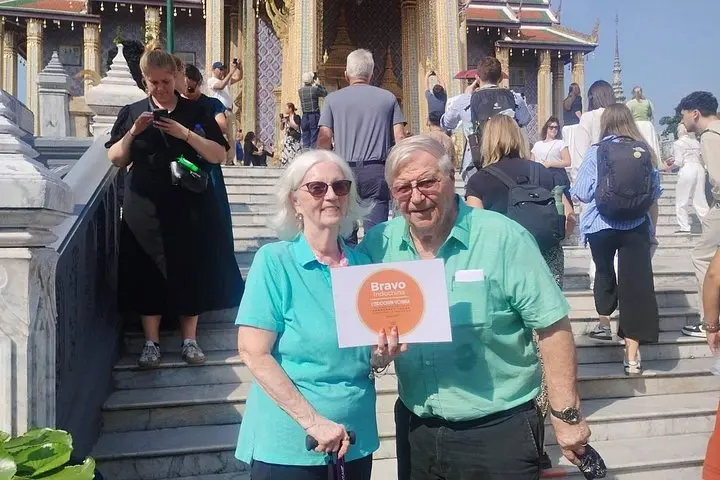

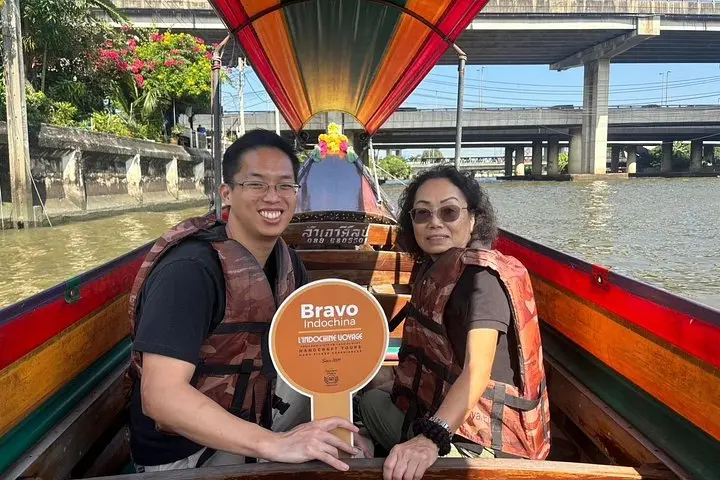

You step from the humid Bangkok air into a city that hums—longtail engines chattering on the Chao Phraya, gold-leaf stupas glinting in the sun, vendors calling over steaming bowls of noodles. The first days move at a brisk cultural tempo: the Grand Palace complex and Wat Pho give way to a longtail-boat glide through Thonburi canals, where water dares you to slow down and watch local life pass.
You step from the humid Bangkok air into a city that hums—longtail engines chattering on the Chao Phraya, gold-leaf stupas glinting in the sun, vendors calling over steaming bowls of noodles. The first days move at a brisk cultural tempo: the Grand Palace complex and Wat Pho give way to a longtail-boat glide through Thonburi canals, where water dares you to slow down and watch local life pass.
The route arcs north into Chiang Mai and Chiang Rai, where teak forests and mountain roads frame the White and Blue temples. Doi Suthep crowns Chiang Mai; a climb of about 300 steps delivers a city panorama and a sense of the region’s Lanna history. Geologically, northern Thailand’s ridges are older sedimentary formations carved into fluted hills, while the Andaman coastal section around Phi Phi is dramatic limestone karst—steep cliffs that rise from aquamarine water and hide caves, coves, and reefs.
Cultural touchstones include a northern Khantoke dinner with hill-tribe dance and encounters with community life at markets and villages. On Phi Phi, expect snorkeling in coral gardens, encounters with long‑tailed macaques on shorelines, and afternoons on sun-warmed sand.
Practical guidance: flights between Bangkok–Chiang Mai and Chiang Mai–Phuket save time; expect a 3‑hour road transfer to Chiang Rai. Bring reef‑safe sunscreen, light rain layers for monsoon season, sturdy walking shoes for temple steps and market streets, and a daypack for boat trips. Respect sanctuary rules around rescued elephants (no riding) and follow local guidance to limit impacts on fragile marine areas.