THE ADVENTURE COLLECTIVE® · Independent discovery and booking for outdoor travel

Two days of clear-water snorkeling, beachfront camping and mangrove exploration off Jazan. This trip combines short hikes, local seafood, a museum visit and protected mangrove lagoons for a compact island escape.
Two days of clear-water snorkeling, beachfront camping and mangrove exploration off Jazan. This trip combines short hikes, local seafood, a museum visit and protected mangrove lagoons for a compact island escape.
The ferry slides away from Jazan as the shoreline becomes a low, sun-baked ridge and the Red Sea opens into a wide, clear bowl of blue. Salt air and gull calls fill the gap between the mainland and Farasan’s white beaches; you step off onto sand that keeps time with the tide and a coastline that still feels like discovery.
Verified experiences and guided adventures in the surrounding area.
Operated by Abha Trips · Farasan Island, Jazan
The ferry slides away from Jazan as the shoreline becomes a low, sun-baked ridge and the Red Sea opens into a wide, clear bowl of blue. Salt air and gull calls fill the gap between the mainland and Farasan’s white beaches; you step off onto sand that keeps time with the tide and a coastline that still feels like discovery.
Farasan Islands sit on the southern edge of the Red Sea, an archipelago shaped by coral platforms and Pleistocene reef terraces. The islands hold traces of maritime trade, pearl diving and Ottoman-era maps; local culture mixes Arabian coastal cuisine with fishing traditions handed down through generations. On day one you’ll ferry in, walk Al Qassar village, visit the small Ibrahim Moftah Museum, eat fresh seafood, then watch the sunset before camping and a barbecue under stars.
Day two turns inward to mangrove lagoons where pneumatophore roots tangle and small birds dart; these mangroves are nursery habitat for reef fish and a living buffer against coastal erosion. Expect easy walking, short boat transfers, snorkeling options among shallow reefs and calm snorkeling-friendly waters.
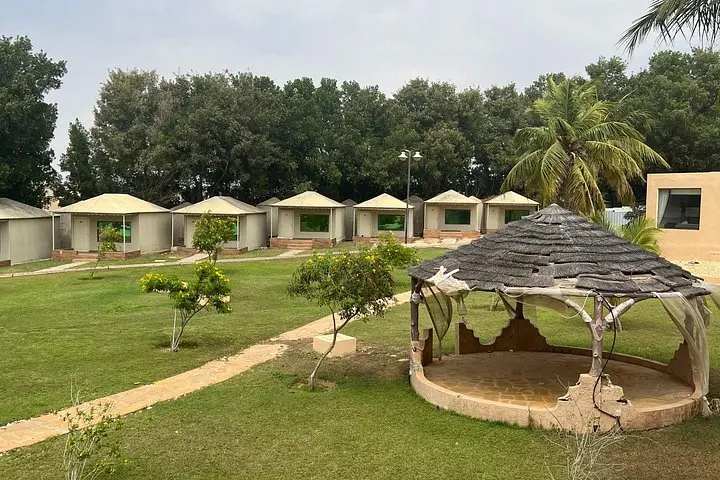
Practical guidance: plan for heat and sun—bring reef-safe sunscreen, a mask and basic swim skills. Camping can be basic; a lightweight sleeping bag and headlamp make the night comfortable. Tides and ferry schedules govern timing—confirm pickup and return times, carry photocopies of ID/passport, and respect protected mangrove zones by avoiding trampling and anchoring on reefs. With basic preparation this two-day loop delivers clear-water snorkeling, quiet beaches and close-up coastal ecology.
Yes—travel between Jazan and Farasan is by ferry and you must carry valid ID or passport as requested at booking.
Some operators provide rental masks/snorkels but bringing your own ensures fit and hygiene—confirm with the tour operator before departure.
Crossings are usually calm but can be choppy in strong winds; those prone to seasickness should bring medication.
Facilities are limited; some campsites or simple hotels offer basic amenities—plan for minimal services during camping.
Abha Trips operates guided outdoor trips and adventures with an emphasis on safety, stewardship, and memorable experiences.

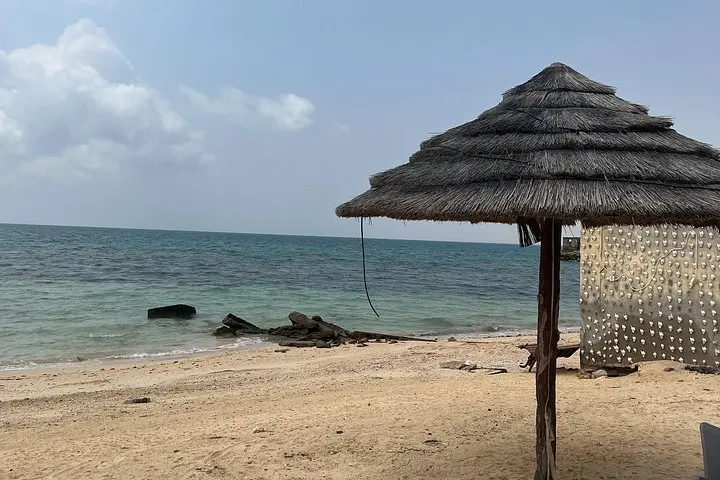
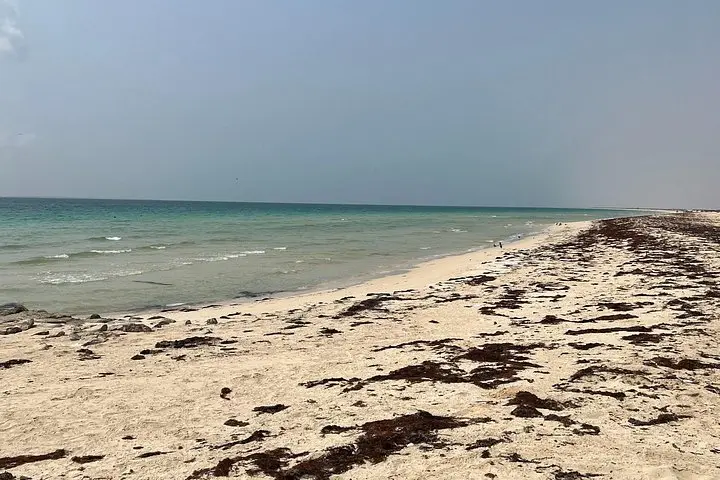
The ferry slides away from Jazan as the shoreline becomes a low, sun-baked ridge and the Red Sea opens into a wide, clear bowl of blue. Salt air and gull calls fill the gap between the mainland and Farasan’s white beaches; you step off onto sand that keeps time with the tide and a coastline that still feels like discovery.
The ferry slides away from Jazan as the shoreline becomes a low, sun-baked ridge and the Red Sea opens into a wide, clear bowl of blue. Salt air and gull calls fill the gap between the mainland and Farasan’s white beaches; you step off onto sand that keeps time with the tide and a coastline that still feels like discovery.
Farasan Islands sit on the southern edge of the Red Sea, an archipelago shaped by coral platforms and Pleistocene reef terraces. The islands hold traces of maritime trade, pearl diving and Ottoman-era maps; local culture mixes Arabian coastal cuisine with fishing traditions handed down through generations. On day one you’ll ferry in, walk Al Qassar village, visit the small Ibrahim Moftah Museum, eat fresh seafood, then watch the sunset before camping and a barbecue under stars.
Day two turns inward to mangrove lagoons where pneumatophore roots tangle and small birds dart; these mangroves are nursery habitat for reef fish and a living buffer against coastal erosion. Expect easy walking, short boat transfers, snorkeling options among shallow reefs and calm snorkeling-friendly waters.
Practical guidance: plan for heat and sun—bring reef-safe sunscreen, a mask and basic swim skills. Camping can be basic; a lightweight sleeping bag and headlamp make the night comfortable. Tides and ferry schedules govern timing—confirm pickup and return times, carry photocopies of ID/passport, and respect protected mangrove zones by avoiding trampling and anchoring on reefs. With basic preparation this two-day loop delivers clear-water snorkeling, quiet beaches and close-up coastal ecology.