THE ADVENTURE COLLECTIVE® · Independent discovery and booking for outdoor travel

Spend 5–6 hours inland from Heraklion tasting freshly pressed olive oil, several indigenous Cretan wines, sampling raki, and watching soap made by hand. This small-group tour pairs sensory stops with local stories about olive and grape traditions.
Spend 5–6 hours inland from Heraklion tasting freshly pressed olive oil, several indigenous Cretan wines, sampling raki, and watching soap made by hand. This small-group tour pairs sensory stops with local stories about olive and grape traditions.
A damp morning light sits low over inland Crete as the tour van pulls off a narrow road and into a yard framed by olive trunks. The first breath is of oil and sage; hands that have tended these groves for generations move with quiet certainty around presses and copper stills. You follow the rhythm—crush, press, ferment, distill—and the landscape begins to speak in tastes.
Verified experiences and guided adventures in the surrounding area.
Operated by Heraklion Wine Tours · Heraklion, Crete
A damp morning light sits low over inland Crete as the tour van pulls off a narrow road and into a yard framed by olive trunks. The first breath is of oil and sage; hands that have tended these groves for generations move with quiet certainty around presses and copper stills. You follow the rhythm—crush, press, ferment, distill—and the landscape begins to speak in tastes.
This route threads modern life with deep history: olive trees here have been cared for since Minoan times, and the limestone soils and maritime winds shape grapes and olives alike. Vineyards cling to gentle slopes where sun and dry air concentrate flavors; raki stills and soap kettles continue household arts passed down through families. Locals treat raki as a social glue and olive oil as culinary DNA — both are everyday and ceremonial.
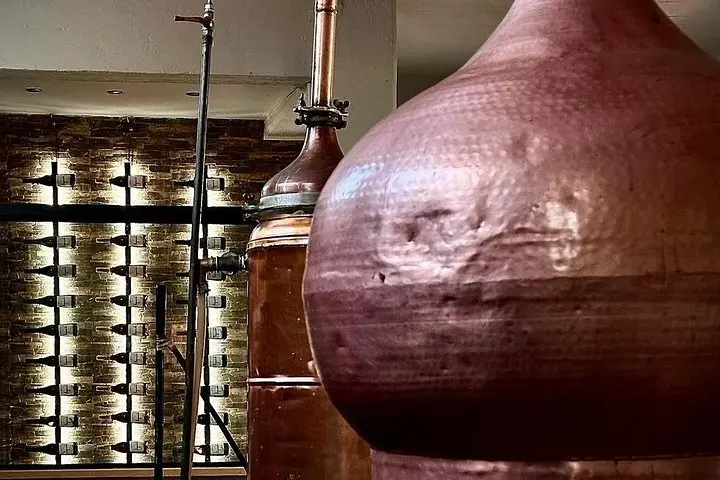
Expect intimate, small-group stops: an olive mill demonstration and fresh oil tasting, a family winery cellar tasting several indigenous varietals, a raki distillery glimpse (morning bookings), and a hands-on soap workshop where oil and herbs become bars. The experience is sensory and practical: ask about harvest timing, tasting order, and what can be purchased to take home.
Practical tips: wear closed-toe shoes for uneven floors, bring a refillable water bottle and sun protection, and allow 5–6 hours for the full circuit with pickup included. Mornings skew toward distillation demonstrations; afternoon tours focus more on the winery cellar. This is a grounded, easy-paced way to meet Crete’s working landscape and leave with flavor, story, and small handmade goods.
Yes—door-to-door pickup from Heraklion and nearby Amoudara is included; confirm your pickup point at booking.
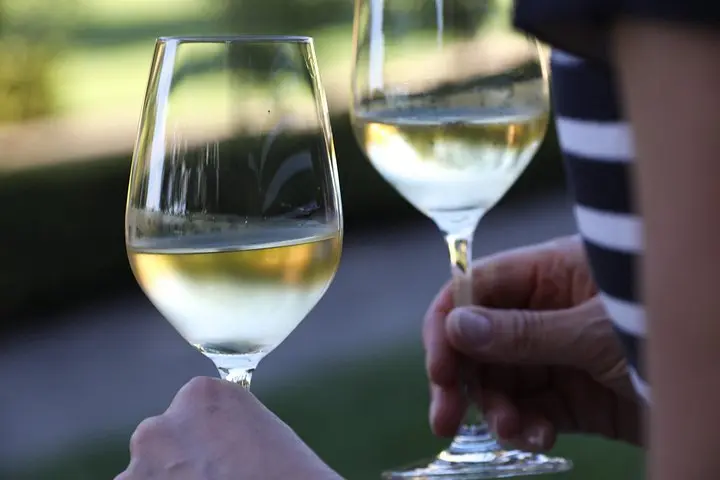
The tour includes tastings of several indigenous Cretan wines—hosts typically pour multiple varieties to showcase local grapes.
The experience is generally family-friendly, but tastings are alcoholic; organizers recommend supervising children around equipment and stills.
Yes—most stops sell olive oil, bottled wines or raki, and handmade soaps; bring payment and a bag to transport purchases.
Heraklion Wine Tours operates guided outdoor trips and adventures with an emphasis on safety, stewardship, and memorable experiences.
A damp morning light sits low over inland Crete as the tour van pulls off a narrow road and into a yard framed by olive trunks. The first breath is of oil and sage; hands that have tended these groves for generations move with quiet certainty around presses and copper stills. You follow the rhythm—crush, press, ferment, distill—and the landscape begins to speak in tastes.
A damp morning light sits low over inland Crete as the tour van pulls off a narrow road and into a yard framed by olive trunks. The first breath is of oil and sage; hands that have tended these groves for generations move with quiet certainty around presses and copper stills. You follow the rhythm—crush, press, ferment, distill—and the landscape begins to speak in tastes.
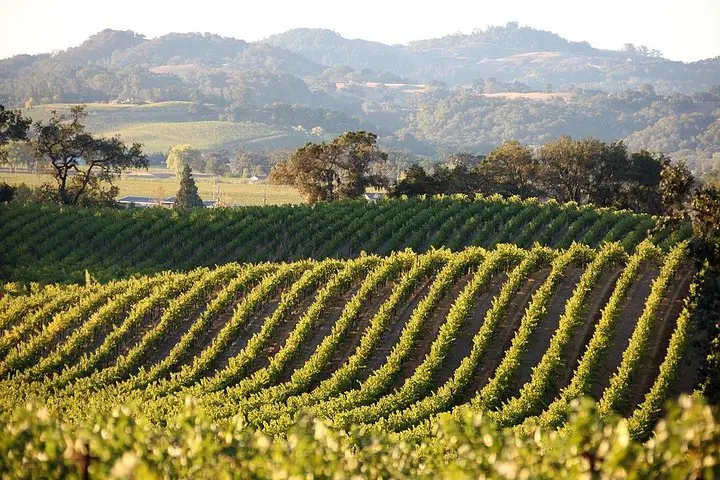
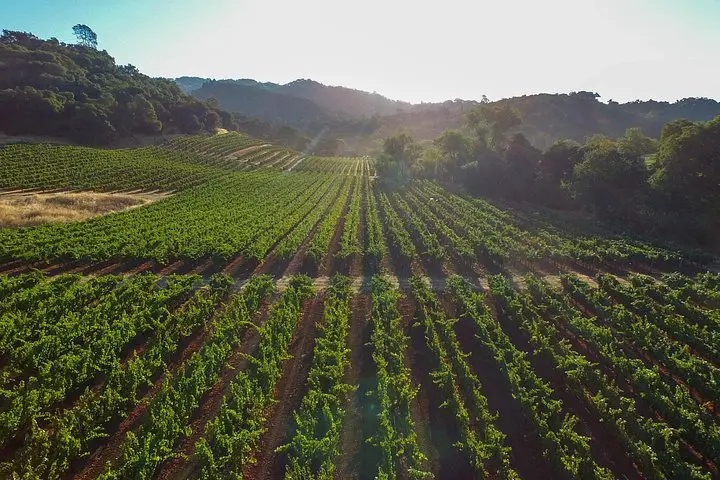
This route threads modern life with deep history: olive trees here have been cared for since Minoan times, and the limestone soils and maritime winds shape grapes and olives alike. Vineyards cling to gentle slopes where sun and dry air concentrate flavors; raki stills and soap kettles continue household arts passed down through families. Locals treat raki as a social glue and olive oil as culinary DNA — both are everyday and ceremonial.
Expect intimate, small-group stops: an olive mill demonstration and fresh oil tasting, a family winery cellar tasting several indigenous varietals, a raki distillery glimpse (morning bookings), and a hands-on soap workshop where oil and herbs become bars. The experience is sensory and practical: ask about harvest timing, tasting order, and what can be purchased to take home.
Practical tips: wear closed-toe shoes for uneven floors, bring a refillable water bottle and sun protection, and allow 5–6 hours for the full circuit with pickup included. Mornings skew toward distillation demonstrations; afternoon tours focus more on the winery cellar. This is a grounded, easy-paced way to meet Crete’s working landscape and leave with flavor, story, and small handmade goods.