THE ADVENTURE COLLECTIVE® · Independent discovery and booking for outdoor travel

Spend five hours on a working farm outside Marrakech learning to make a traditional beef, almond and prune tajine from scratch. The experience blends a short farm tour, hands-on outdoor cooking, and a communal lunch with local flavors and practical culinary skills.
Spend five hours on a working farm outside Marrakech learning to make a traditional beef, almond and prune tajine from scratch. The experience blends a short farm tour, hands-on outdoor cooking, and a communal lunch with local flavors and practical culinary skills.
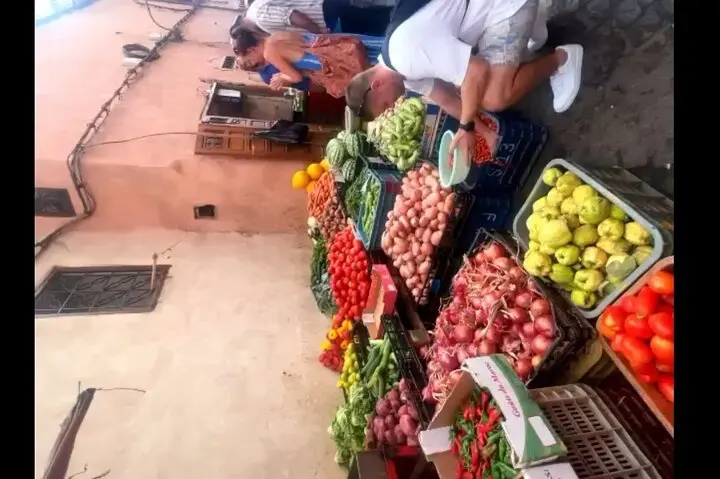
You arrive on a dirt lane and the city’s heat shifts to the cooler hush of trees; citrus and olive branches lean over the path like curious neighbors. The class starts with Moroccan mint tea poured slow—sweet, fragrant, calming—then a short walk through rows of vegetables and an herb garden that will supply the day’s flavors.
Verified experiences and guided adventures in the surrounding area.
Operated by Farm to Table Marrakech · Marrakech, Marrakesh-Safi
You arrive on a dirt lane and the city’s heat shifts to the cooler hush of trees; citrus and olive branches lean over the path like curious neighbors. The class starts with Moroccan mint tea poured slow—sweet, fragrant, calming—then a short walk through rows of vegetables and an herb garden that will supply the day’s flavors.
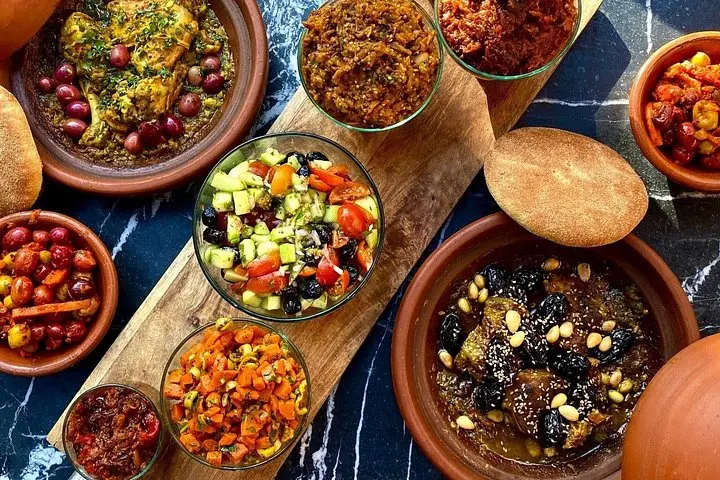
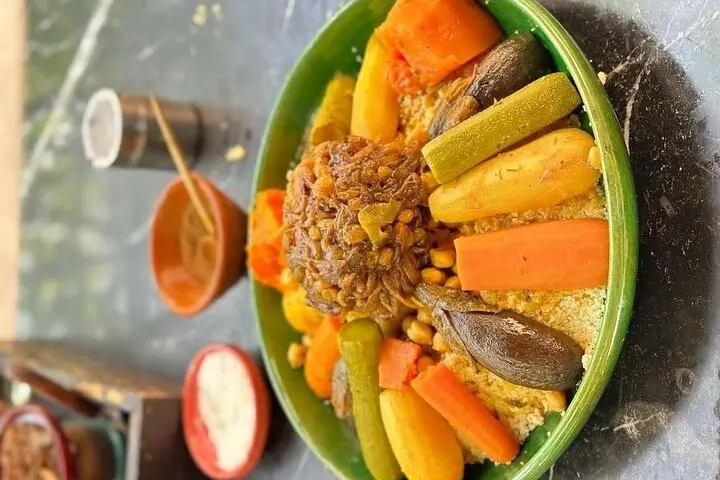
The program pairs a working farm tour with an outdoor kitchen where participants learn to assemble and slow-cook a traditional beef, almond and prune tajine. Tajine cooking is rooted in Berber foodways: earthenware cooking, long braises, and layering sweet and savory elements. The farm setting highlights irrigation choices and seasonal produce common to the Marrakesh plain, and the guides explain how local geology and the nearby High Atlas foothills influence soil and crops.
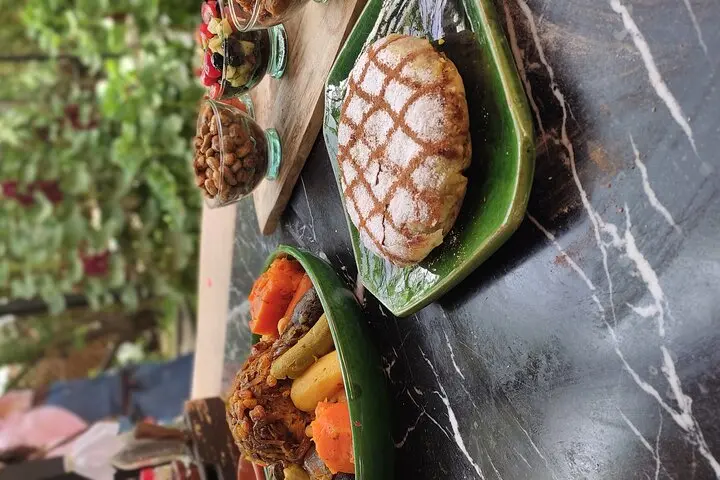
Culturally, the day is hands-on and communal—expect shared prep, stories about spice blends like ras el hanout, and a sit-down lunch with the dish you helped prepare. The itinerary suits those who want structure and interpretation rather than a passive demonstration: you’ll prep, cook, and eat in roughly five hours.
Practically, wear closed-toe shoes for uneven ground, bring sun protection for the outdoor kitchen, and plan for minimal shade during midday. The hosts supply aprons, tajines, and utensils, and most dietary needs can be accommodated with advance notice. Whether you’re a confident home cook or a curious traveler, the farm-to-table session is an accessible, sensory way to learn Moroccan technique and taste how local ingredients shape classic dishes.
The activity lasts about five hours, including a short farm tour, hands-on cooking, and a sit-down lunch.
Yes—inform the operator when booking and they will adjust recipes for common allergies or vegetarian preferences.
The listing notes wheelchair accessibility for all areas, but contact the operator with specific mobility needs to confirm arrangements.
You’ll learn traditional tajine techniques, try local spice combinations, and share a meal prepared in the outdoor kitchen; aprons and use of utensils are provided.
Farm to Table Marrakech operates guided outdoor trips and adventures with an emphasis on safety, stewardship, and memorable experiences.
You arrive on a dirt lane and the city’s heat shifts to the cooler hush of trees; citrus and olive branches lean over the path like curious neighbors. The class starts with Moroccan mint tea poured slow—sweet, fragrant, calming—then a short walk through rows of vegetables and an herb garden that will supply the day’s flavors.
You arrive on a dirt lane and the city’s heat shifts to the cooler hush of trees; citrus and olive branches lean over the path like curious neighbors. The class starts with Moroccan mint tea poured slow—sweet, fragrant, calming—then a short walk through rows of vegetables and an herb garden that will supply the day’s flavors.
The program pairs a working farm tour with an outdoor kitchen where participants learn to assemble and slow-cook a traditional beef, almond and prune tajine. Tajine cooking is rooted in Berber foodways: earthenware cooking, long braises, and layering sweet and savory elements. The farm setting highlights irrigation choices and seasonal produce common to the Marrakesh plain, and the guides explain how local geology and the nearby High Atlas foothills influence soil and crops.
Culturally, the day is hands-on and communal—expect shared prep, stories about spice blends like ras el hanout, and a sit-down lunch with the dish you helped prepare. The itinerary suits those who want structure and interpretation rather than a passive demonstration: you’ll prep, cook, and eat in roughly five hours.
Practically, wear closed-toe shoes for uneven ground, bring sun protection for the outdoor kitchen, and plan for minimal shade during midday. The hosts supply aprons, tajines, and utensils, and most dietary needs can be accommodated with advance notice. Whether you’re a confident home cook or a curious traveler, the farm-to-table session is an accessible, sensory way to learn Moroccan technique and taste how local ingredients shape classic dishes.