THE ADVENTURE COLLECTIVE® · Independent discovery and booking for outdoor travel

Spend two hands-on hours milking goats, collecting eggs, and tending vegetable beds at a working dairy goat farm at the base of Arenal Volcano. Ideal for families, this interactive visit pairs practical farm tasks with sustainable-farming insights and close animal encounters.
Spend two hands-on hours milking goats, collecting eggs, and tending vegetable beds at a working dairy goat farm at the base of Arenal Volcano. Ideal for families, this interactive visit pairs practical farm tasks with sustainable-farming insights and close animal encounters.
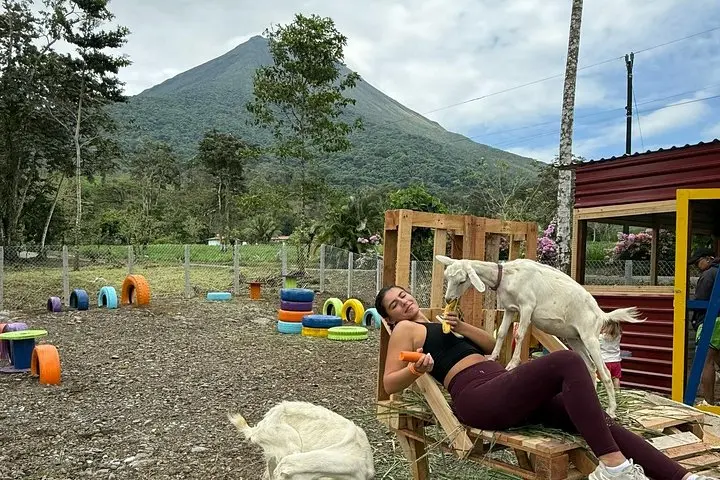
You arrive to the warm, green hush beneath Arenal’s slopes—jungle air moving through rows of herbs, and a small herd of dairy goats that greet visitors like an old neighborhood. The farm spreads across gentle slopes with views of the volcano’s bulk in the distance; you’ll hear birds and the occasional rustle as the guide lays out the day.
Verified experiences and guided adventures in the surrounding area.
Operated by Dream Tree XP · La Fortuna, Alajuela
You arrive to the warm, green hush beneath Arenal’s slopes—jungle air moving through rows of herbs, and a small herd of dairy goats that greet visitors like an old neighborhood. The farm spreads across gentle slopes with views of the volcano’s bulk in the distance; you’ll hear birds and the occasional rustle as the guide lays out the day.
The experience traces local agricultural roots: small-scale dairying, backyard poultrykeeping, and tropical vegetable cultivation that fed rural families long before the area’s tourist boom. Geologically, the property sits on rich volcanic soils that make the gardens productive; culturally, the farm reflects Costa Rica’s emphasis on community agriculture and sustainable practice.
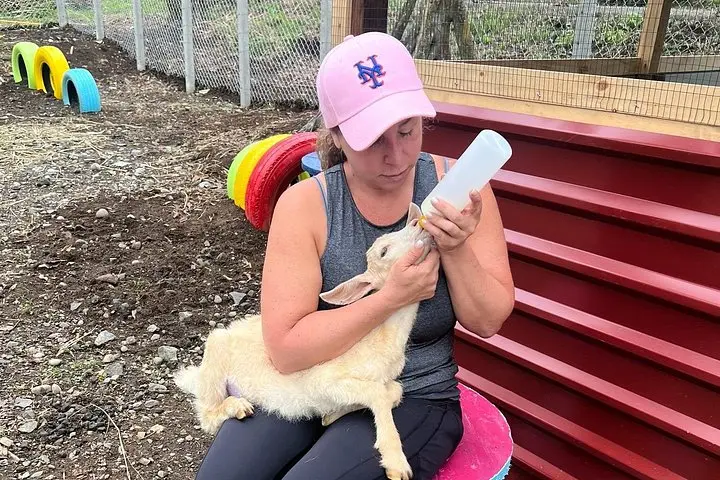
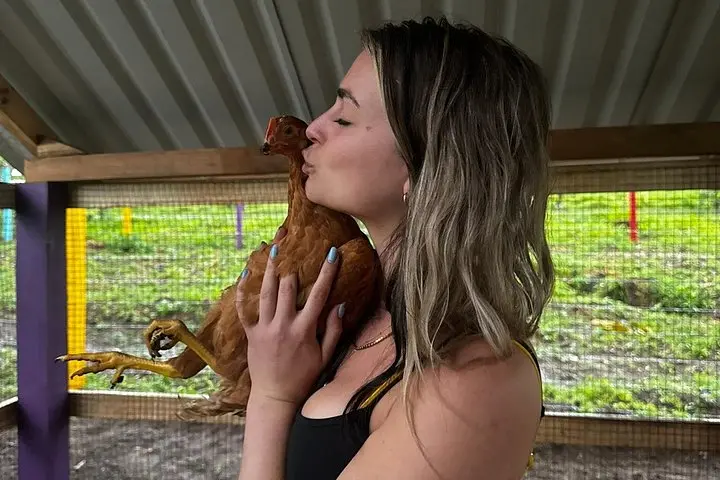
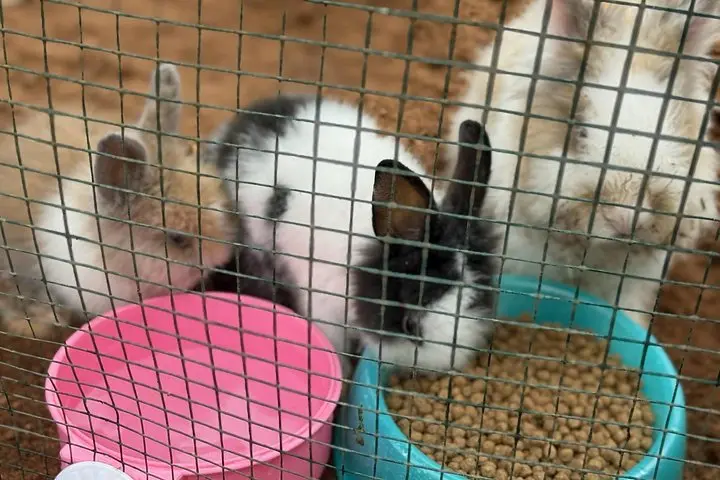
Over two hours guests take part in chores—milking goats, feeding kids and bunnies, collecting eggs, weeding beds, and tasting fresh juice—while bilingual guides explain goat milk benefits and regenerative growing techniques. The setting is family-friendly, tactile, and deliberately unhurried, offering close animal contact and photo moments against the volcano-smudged sky.
Practical guidance: book morning slots when animals are most active and the air is cooler. Wear closed-toe shoes for muddy paths, expect light bending and steady footing during chores, and keep hands clean around animals. Bring a reusable water bottle, sun protection, and a sense of curiosity. The farm is largely accessible, but ask ahead for specific mobility needs.
This is less a performance than a day working alongside hosts who want visitors to understand where food and small-scale dairy come from—simple, hands-on, and rooted in the soils at Arenal’s base.
Yes—this is family-friendly and designed for children to participate with supervision; inform the operator of ages when booking.
The operator lists wheelchair accessibility for main areas, but contact them ahead to confirm accessibility for specific activities like milking.
Guides often provide fresh fruit and natural juice; tasting of goat milk products depends on the day—ask staff on arrival.
No—bilingual guides lead all activities and teach safe handling techniques, making the program suitable for beginners.
Dream Tree XP operates guided outdoor trips and adventures with an emphasis on safety, stewardship, and memorable experiences.
You arrive to the warm, green hush beneath Arenal’s slopes—jungle air moving through rows of herbs, and a small herd of dairy goats that greet visitors like an old neighborhood. The farm spreads across gentle slopes with views of the volcano’s bulk in the distance; you’ll hear birds and the occasional rustle as the guide lays out the day.
You arrive to the warm, green hush beneath Arenal’s slopes—jungle air moving through rows of herbs, and a small herd of dairy goats that greet visitors like an old neighborhood. The farm spreads across gentle slopes with views of the volcano’s bulk in the distance; you’ll hear birds and the occasional rustle as the guide lays out the day.
The experience traces local agricultural roots: small-scale dairying, backyard poultrykeeping, and tropical vegetable cultivation that fed rural families long before the area’s tourist boom. Geologically, the property sits on rich volcanic soils that make the gardens productive; culturally, the farm reflects Costa Rica’s emphasis on community agriculture and sustainable practice.
Over two hours guests take part in chores—milking goats, feeding kids and bunnies, collecting eggs, weeding beds, and tasting fresh juice—while bilingual guides explain goat milk benefits and regenerative growing techniques. The setting is family-friendly, tactile, and deliberately unhurried, offering close animal contact and photo moments against the volcano-smudged sky.
Practical guidance: book morning slots when animals are most active and the air is cooler. Wear closed-toe shoes for muddy paths, expect light bending and steady footing during chores, and keep hands clean around animals. Bring a reusable water bottle, sun protection, and a sense of curiosity. The farm is largely accessible, but ask ahead for specific mobility needs.
This is less a performance than a day working alongside hosts who want visitors to understand where food and small-scale dairy come from—simple, hands-on, and rooted in the soils at Arenal’s base.