THE ADVENTURE COLLECTIVE® · Independent discovery and booking for outdoor travel

Two hours from Seahouses takes you to Longstone Island and Grace Darling’s lighthouse—exclusive landings, close views of a grey seal colony, and expert commentary from a current Trinity House attendant. Read on for what to expect and how to prepare.
Two hours from Seahouses takes you to Longstone Island and Grace Darling’s lighthouse—exclusive landings, close views of a grey seal colony, and expert commentary from a current Trinity House attendant. Read on for what to expect and how to prepare.
A low-slung boat pushes off Seahouses harbor into the North Sea; spray and gull cries announce the Farne Islands before the islands themselves appear, black rock stacked against the horizon. On this two-hour trip the approach to Longstone Island feels like walking into a live maritime museum: cliffs of weathered dolerite and sandstone, sheer ledges hammered by winter storms, and the squat white cylinder of Longstone Lighthouse keeping its patient watch.
Verified experiences and guided adventures in the surrounding area.
Operated by Golden Gate Farne Islands Boat Trips · Seahouses, Northumberland
A low-slung boat pushes off Seahouses harbor into the North Sea; spray and gull cries announce the Farne Islands before the islands themselves appear, black rock stacked against the horizon. On this two-hour trip the approach to Longstone Island feels like walking into a live maritime museum: cliffs of weathered dolerite and sandstone, sheer ledges hammered by winter storms, and the squat white cylinder of Longstone Lighthouse keeping its patient watch.
History is close here. Longstone is inseparable from Grace Darling’s 1838 rescue and the island’s long link to Trinity House, which still manages the light. Geologically the Farnes are volcanic outcrops and raised seabed, scoured into steep cliffs and shelving rocks that make ideal nesting ledges for seabirds. Culturally the islands belong to a generations-deep fishing and lighthouse community; boat crews and keepers trade stories with visitors as part of the journey.
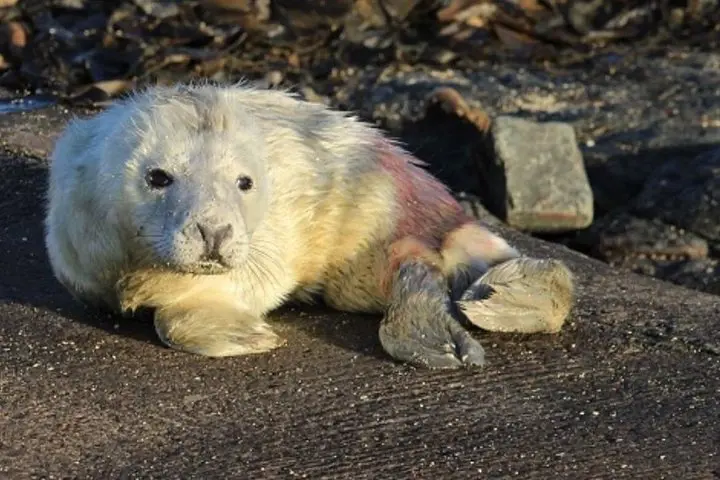
Expect expert commentary from a current Trinity House attendant, a quiet landing window to walk the island, and views across cormorant-streaked cliffs. Wildlife—grey seals, terns and a density of seabird life—dominates the experience; binoculars repay attention.
Practicalities: boats leave from Seahouses — arrive early, bring windproof layers and non-slip shoes for the rocky shore, and carry small change if you want to enter the lighthouse. Landings are weather-dependent; trips may be canceled in high seas. Respect nesting areas, keep dogs on lead (if allowed), and follow crew guidance when disembarking. The trip is short but rich: a compact, interpretive encounter with one of Britain’s most storied islands.
Yes — this operator has exclusive landing rights to Longstone; landings depend on sea conditions and skipper discretion.
Entry inside the lighthouse is optional and typically requires a small cash fee paid on arrival; walking around the island is allowed during that time.
The tour notes that Longstone is the only Farne island where dogs can land if kept on a lead and kept away from wildlife; always follow crew instructions.
Participants must be of sound mobility; boat transfers and rocky landings require stable footing—discuss any access needs with the operator before booking.
Golden Gate Farne Islands Boat Trips operates guided outdoor trips and adventures with an emphasis on safety, stewardship, and memorable experiences.
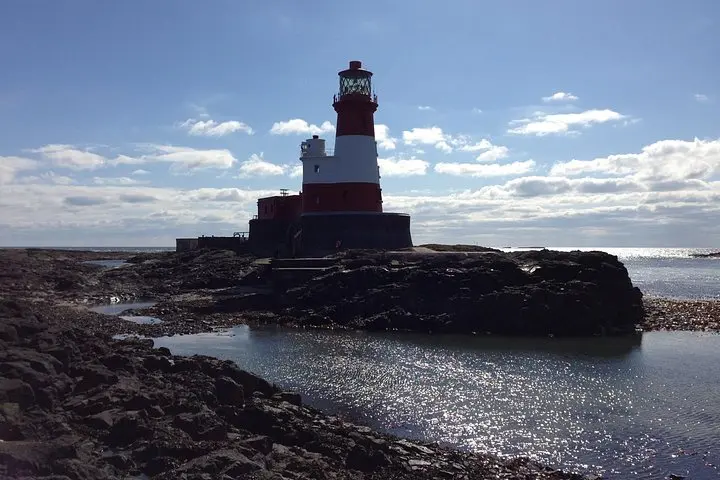
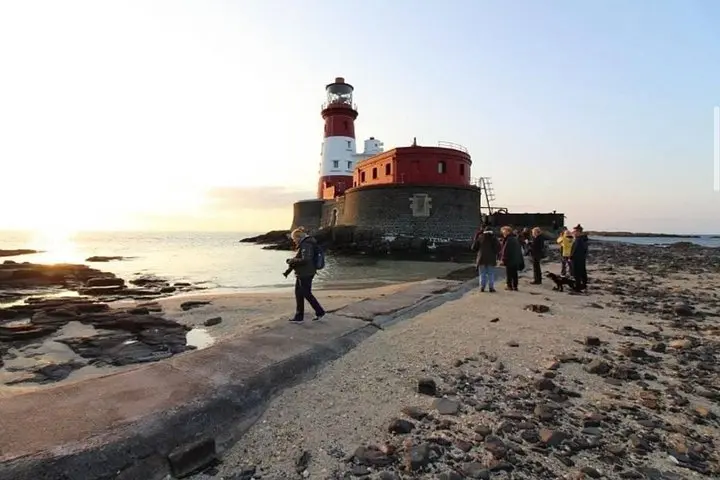
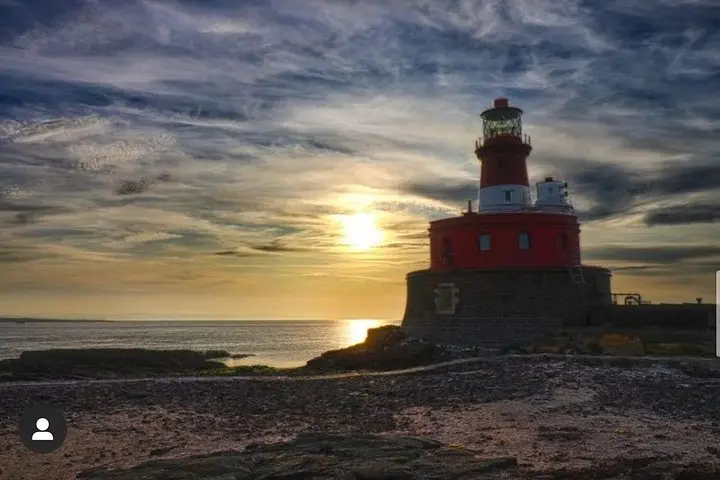
A low-slung boat pushes off Seahouses harbor into the North Sea; spray and gull cries announce the Farne Islands before the islands themselves appear, black rock stacked against the horizon. On this two-hour trip the approach to Longstone Island feels like walking into a live maritime museum: cliffs of weathered dolerite and sandstone, sheer ledges hammered by winter storms, and the squat white cylinder of Longstone Lighthouse keeping its patient watch.
A low-slung boat pushes off Seahouses harbor into the North Sea; spray and gull cries announce the Farne Islands before the islands themselves appear, black rock stacked against the horizon. On this two-hour trip the approach to Longstone Island feels like walking into a live maritime museum: cliffs of weathered dolerite and sandstone, sheer ledges hammered by winter storms, and the squat white cylinder of Longstone Lighthouse keeping its patient watch.
History is close here. Longstone is inseparable from Grace Darling’s 1838 rescue and the island’s long link to Trinity House, which still manages the light. Geologically the Farnes are volcanic outcrops and raised seabed, scoured into steep cliffs and shelving rocks that make ideal nesting ledges for seabirds. Culturally the islands belong to a generations-deep fishing and lighthouse community; boat crews and keepers trade stories with visitors as part of the journey.
Expect expert commentary from a current Trinity House attendant, a quiet landing window to walk the island, and views across cormorant-streaked cliffs. Wildlife—grey seals, terns and a density of seabird life—dominates the experience; binoculars repay attention.
Practicalities: boats leave from Seahouses — arrive early, bring windproof layers and non-slip shoes for the rocky shore, and carry small change if you want to enter the lighthouse. Landings are weather-dependent; trips may be canceled in high seas. Respect nesting areas, keep dogs on lead (if allowed), and follow crew guidance when disembarking. The trip is short but rich: a compact, interpretive encounter with one of Britain’s most storied islands.