THE ADVENTURE COLLECTIVE® · Independent discovery and booking for outdoor travel

A swift 40-minute crossing connects Sanur to Nusa Penida’s dramatic cliffs and reef-fringed bays. Expect basic comforts, weather-dependent schedules, and an efficient way to start exploring the island.
A swift 40-minute crossing connects Sanur to Nusa Penida’s dramatic cliffs and reef-fringed bays. Expect basic comforts, weather-dependent schedules, and an efficient way to start exploring the island.
The hull cuts through early-morning glass as Sanur slips behind you and Nusa Penida's sheer limestone cliffs grow larger on the horizon. Salt spray marks the edge of the island; sea birds wheel as the skipper eyes swell and wind. In forty minutes you trade Bali's beaches for an island where coral terraces tumble into deep water and villages cling to narrow coastal roads.
Verified experiences and guided adventures in the surrounding area.
Operated by Nusa Penida info · Nusa Penida, Bali
The hull cuts through early-morning glass as Sanur slips behind you and Nusa Penida's sheer limestone cliffs grow larger on the horizon. Salt spray marks the edge of the island; sea birds wheel as the skipper eyes swell and wind. In forty minutes you trade Bali's beaches for an island where coral terraces tumble into deep water and villages cling to narrow coastal roads.
Geologically, Nusa Penida is an uplifted coral and volcanic outcrop — cliffs are raw, cliffsides scarred by erosion and reef flats that support manta rays and colorful reefs. Culturally the island remains quietly Balinese: small temples, offerings on roadside shrines, and communities whose livelihoods still revolve around fishing and small-scale tourism. Recent years have brought more visitors, so arrival logistics and responsible behavior matter.
Practically, fast boats typically run from Sanur and take roughly 40 minutes each way; check return schedules and expect changes if the swell picks up. Life jackets and basic luggage transfer (up to 25 kg) are usually included; bring a small dry bag for valuables. If you’re prone to seasickness, take medication before boarding — the channel can push and pull depending on weather. Arrive at the meeting point early, carry local currency for port fees or snacks, and plan ground transport in advance — taxis and motorbike rentals fill quickly.
This transfer is straightforward but weather-dependent: when the sea is calm, it’s a sharp, scenic hop; when the swell builds, boats and schedules adjust, reminding you that the ocean still sets the terms.
Most services to Nusa Penida depart from Sanur; operators will confirm the exact boarding point by email before departure.
The scheduled crossing time is about 40 minutes each way, though actual duration can vary with sea conditions.
Luggage transport is provided for bags up to roughly 25 kg; carry-on items should be kept in a small dry bag on deck.
Yes—operators may change or cancel sailings if swell or wind makes the crossing unsafe; always have flexible plans and check refund/cancellation policies.
Nusa Penida info operates guided outdoor trips and adventures with an emphasis on safety, stewardship, and memorable experiences.
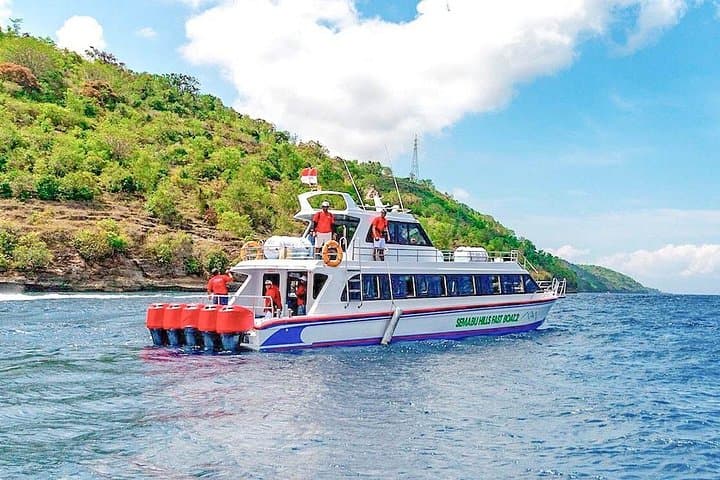

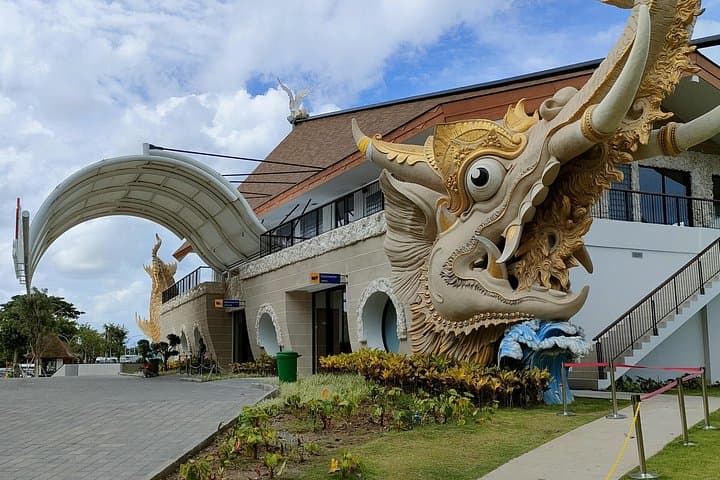
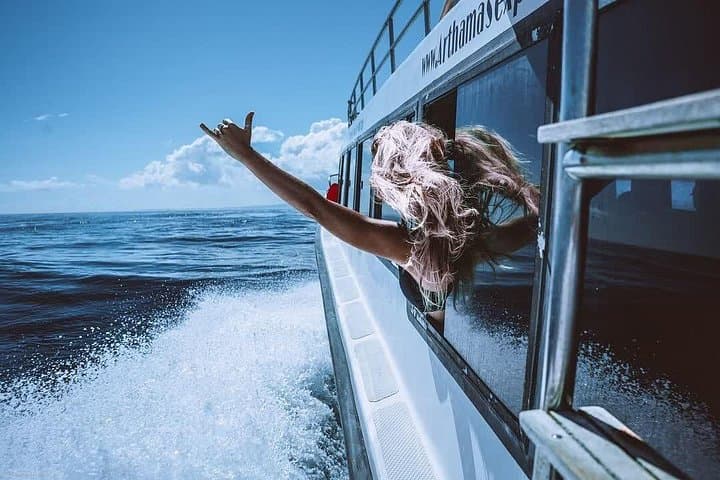
The hull cuts through early-morning glass as Sanur slips behind you and Nusa Penida's sheer limestone cliffs grow larger on the horizon. Salt spray marks the edge of the island; sea birds wheel as the skipper eyes swell and wind. In forty minutes you trade Bali's beaches for an island where coral terraces tumble into deep water and villages cling to narrow coastal roads.
The hull cuts through early-morning glass as Sanur slips behind you and Nusa Penida's sheer limestone cliffs grow larger on the horizon. Salt spray marks the edge of the island; sea birds wheel as the skipper eyes swell and wind. In forty minutes you trade Bali's beaches for an island where coral terraces tumble into deep water and villages cling to narrow coastal roads.
Geologically, Nusa Penida is an uplifted coral and volcanic outcrop — cliffs are raw, cliffsides scarred by erosion and reef flats that support manta rays and colorful reefs. Culturally the island remains quietly Balinese: small temples, offerings on roadside shrines, and communities whose livelihoods still revolve around fishing and small-scale tourism. Recent years have brought more visitors, so arrival logistics and responsible behavior matter.
Practically, fast boats typically run from Sanur and take roughly 40 minutes each way; check return schedules and expect changes if the swell picks up. Life jackets and basic luggage transfer (up to 25 kg) are usually included; bring a small dry bag for valuables. If you’re prone to seasickness, take medication before boarding — the channel can push and pull depending on weather. Arrive at the meeting point early, carry local currency for port fees or snacks, and plan ground transport in advance — taxis and motorbike rentals fill quickly.
This transfer is straightforward but weather-dependent: when the sea is calm, it’s a sharp, scenic hop; when the swell builds, boats and schedules adjust, reminding you that the ocean still sets the terms.