THE ADVENTURE COLLECTIVE® · Independent discovery and booking for outdoor travel

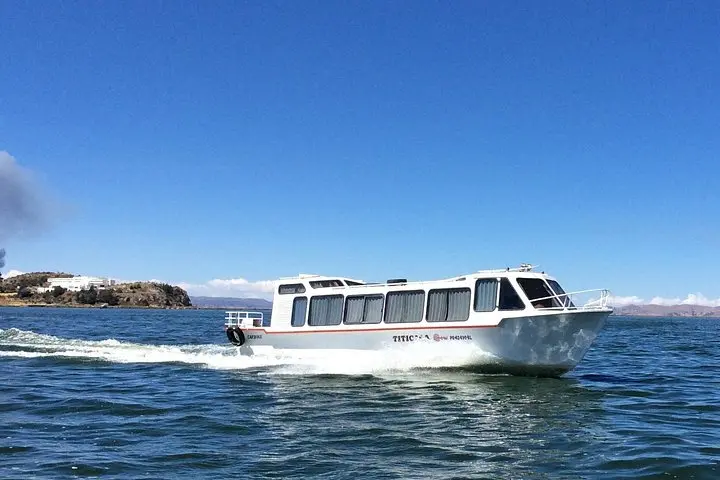
Cut across Lake Titicaca by fast boat to reach the floating Uros islands and the textile terraces of Taquile. This full-day tour maximizes island time—expect guided cultural demonstrations, a lakeside lunch, and short hikes.
Cut across Lake Titicaca by fast boat to reach the floating Uros islands and the textile terraces of Taquile. This full-day tour maximizes island time—expect guided cultural demonstrations, a lakeside lunch, and short hikes.
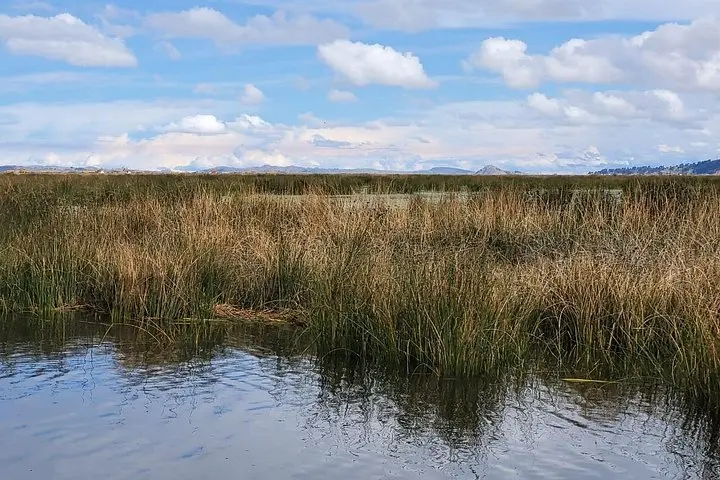
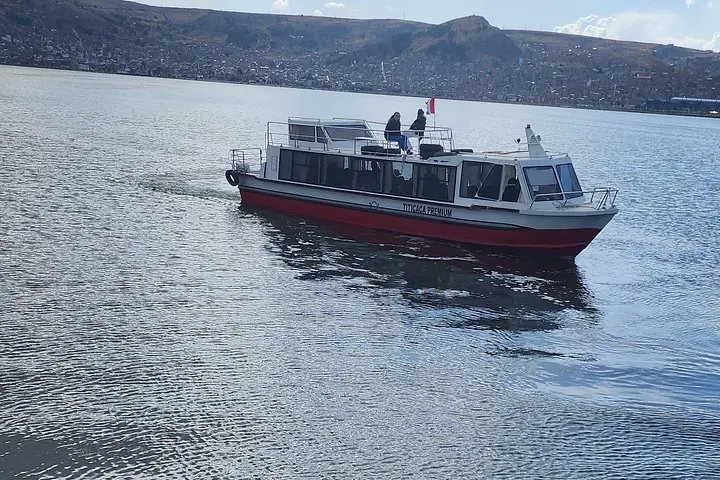
You step onto the pier in Puno as a cold wind off Lake Titicaca tugs at your jacket; the boat’s engine cuts through the morning glass and the lake answers with a wide, bracing sweep. After about 20 minutes of open-water speed you arrive at the reed islands of Uros, where floating platforms of woven totora rise and sink with every small swell and local artisans invite you to see how boats and houses are lashed together.
Verified experiences and guided adventures in the surrounding area.
Operated by Titicaca Travel Peru · Puno, Puno
You step onto the pier in Puno as a cold wind off Lake Titicaca tugs at your jacket; the boat’s engine cuts through the morning glass and the lake answers with a wide, bracing sweep. After about 20 minutes of open-water speed you arrive at the reed islands of Uros, where floating platforms of woven totora rise and sink with every small swell and local artisans invite you to see how boats and houses are lashed together.
The islands are older than the Inca—people of the Uru built these floating homes using totora reed for centuries as a practical response to a high-altitude lake that shaped livelihoods. Further out, Taquile sits like a green knob on the water; its terraced slopes reveal a Quechua-speaking community with a living textile tradition recognized by UNESCO.
Geologically, Titicaca is a high plateau lake formed in Andean basins; the thin air and strong afternoon sun define how visitors plan their day. Culture here is tactile—hand-spun alpaca, vegetable dyes, reed weaving—and the bilingual guide accompanying the fast-boat tour frames both technique and history.
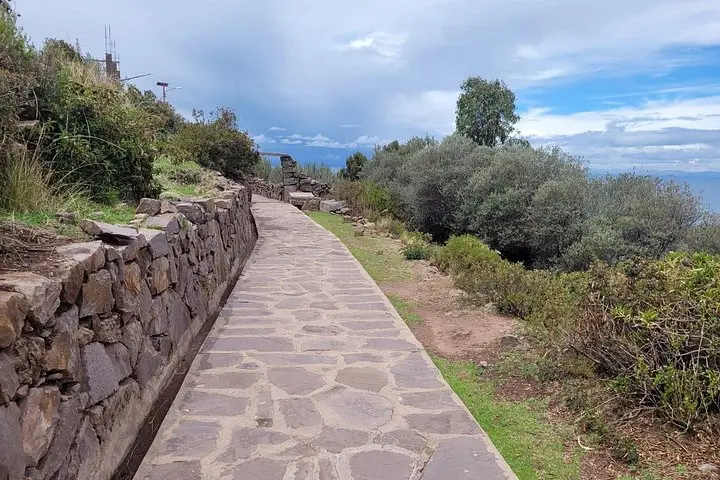
Practically: expect an 8-hour day with two main stops (about 2 hours at Uros, 3–4 hours at Taquile), short hikes on uneven stone and terraced trails, and a lakeside lunch included. Bring layers for wind and sun, sturdy shoes for uneven paths, and cash for handicraft purchases. The islands reward curiosity—listen, learn, and leave the reeds and traditions intact.
The tour runs about 8 hours total: roughly 1–2 hours at Uros and 3–4 hours on Taquile, including boat transfers and lunch.
Titicaca sits around 3,800–3,900 m; mild altitude effects are common—drink water, avoid heavy exertion on arrival, and consult a doctor if you have cardiovascular concerns.
Basic restroom facilities and a lakeside lunch are provided on Taquile; Uros offers simple facilities and small snack options from local vendors.
Yes—both Uros and Taquile sell handicrafts; buy directly to support communities and carry small bills for purchases.
Titicaca Travel Peru operates guided outdoor trips and adventures with an emphasis on safety, stewardship, and memorable experiences.
You step onto the pier in Puno as a cold wind off Lake Titicaca tugs at your jacket; the boat’s engine cuts through the morning glass and the lake answers with a wide, bracing sweep. After about 20 minutes of open-water speed you arrive at the reed islands of Uros, where floating platforms of woven totora rise and sink with every small swell and local artisans invite you to see how boats and houses are lashed together.
You step onto the pier in Puno as a cold wind off Lake Titicaca tugs at your jacket; the boat’s engine cuts through the morning glass and the lake answers with a wide, bracing sweep. After about 20 minutes of open-water speed you arrive at the reed islands of Uros, where floating platforms of woven totora rise and sink with every small swell and local artisans invite you to see how boats and houses are lashed together.
The islands are older than the Inca—people of the Uru built these floating homes using totora reed for centuries as a practical response to a high-altitude lake that shaped livelihoods. Further out, Taquile sits like a green knob on the water; its terraced slopes reveal a Quechua-speaking community with a living textile tradition recognized by UNESCO.
Geologically, Titicaca is a high plateau lake formed in Andean basins; the thin air and strong afternoon sun define how visitors plan their day. Culture here is tactile—hand-spun alpaca, vegetable dyes, reed weaving—and the bilingual guide accompanying the fast-boat tour frames both technique and history.
Practically: expect an 8-hour day with two main stops (about 2 hours at Uros, 3–4 hours at Taquile), short hikes on uneven stone and terraced trails, and a lakeside lunch included. Bring layers for wind and sun, sturdy shoes for uneven paths, and cash for handicraft purchases. The islands reward curiosity—listen, learn, and leave the reeds and traditions intact.