THE ADVENTURE COLLECTIVE® · Independent discovery and booking for outdoor travel

Skip the crowded ferry and reach Elephanta Island in 20 minutes by private speedboat. Explore UNESCO-listed rock-cut caves with a government-licensed guide, coastal views, and time-saving luxury.
Skip the crowded ferry and reach Elephanta Island in 20 minutes by private speedboat. Explore UNESCO-listed rock-cut caves with a government-licensed guide, coastal views, and time-saving luxury.
The engine hums beneath your feet as Mumbai’s skyline pulls away, the Arabian Sea spreading a bright, restless sheet around the hull. In twenty minutes the island appears—jagged basalt cliffs rising from the water, palm trees leaning into the breeze—and you step ashore into a place where stone speaks.
Verified experiences and guided adventures in the surrounding area.
Operated by Passport Lifestyles · Mumbai, Maharashtra
The engine hums beneath your feet as Mumbai’s skyline pulls away, the Arabian Sea spreading a bright, restless sheet around the hull. In twenty minutes the island appears—jagged basalt cliffs rising from the water, palm trees leaning into the breeze—and you step ashore into a place where stone speaks.
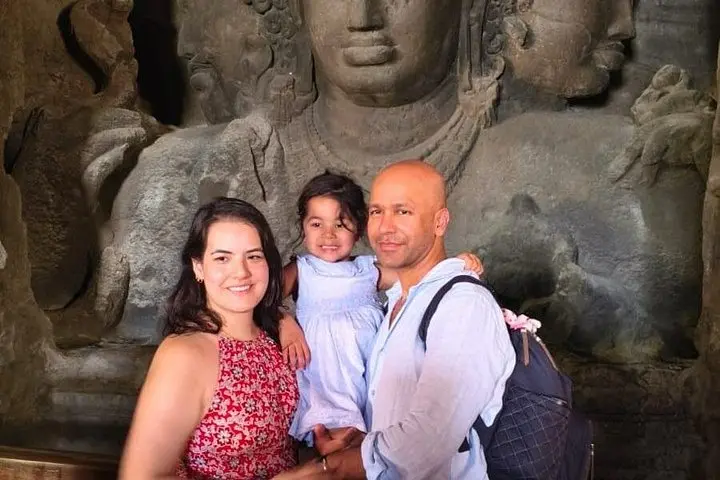
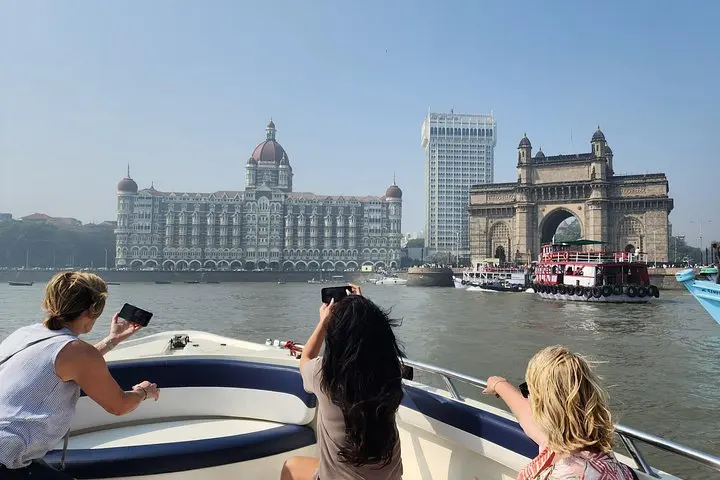
Carved from volcanic basalt between the 5th and 8th centuries, the Elephanta Caves preserve large rock-cut temples and high-relief panels dedicated primarily to Shiva. The site sits on Gharapuri (Elephanta Island), a short harbor ride from the Gateway of India; centuries of tides and salt air have smoothed edges and left frescoes and sculptures with a raw, weathered presence. Local guides will connect the sculptures to classical Hindu myth, colonial-era shipping routes, and the island’s changing role from sacred enclave to UNESCO World Heritage Site.
Expect uneven stone steps, open-air platforms with sweeping bay views, and the occasional macaque watching visitors with blunt curiosity. Temperatures and humidity climb in summer and dip pleasantly in winter; the monsoon brings dramatic surf and can close the harbor entirely.
Practical preparation pays: sturdy shoes with grip for basalt steps, sun protection, and a moderate fitness level for walking and inclines. Photography is rewarding but avoid touching the carvings; guides can point out less obvious reliefs and quieter viewpoints. The private speedboat saves time and avoids ferry crowds—ideal for travelers short on schedule who still want a substantive cultural-and-nature outing from Mumbai.
The private speedboat crosses the harbor in about 20 minutes, compared with roughly 75–90 minutes on the public ferry and transfer waits.
This tour includes entrance fees and a government-licensed guide; confirm specifics at booking if you require multilingual guides.
Yes—infants are allowed but must sit on an adult’s lap; notify the operator during booking for safety arrangements.
Access is limited—stone steps and uneven rock mean the main cave complex is not fully wheelchair accessible; contact the operator about alternative viewing options.
Passport Lifestyles operates guided outdoor trips and adventures with an emphasis on safety, stewardship, and memorable experiences.
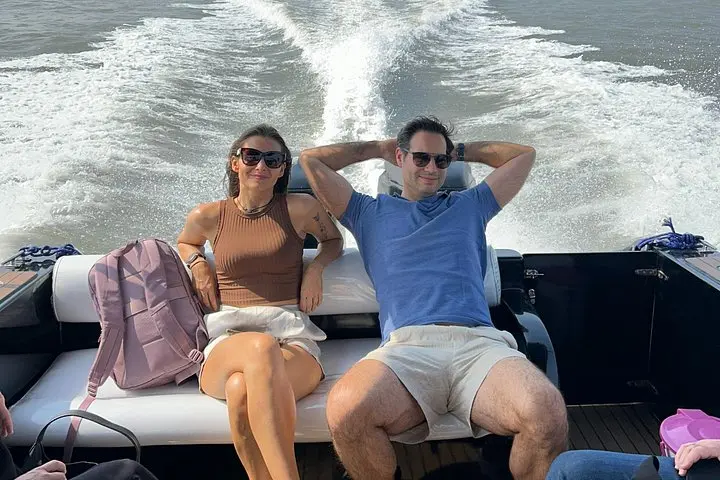
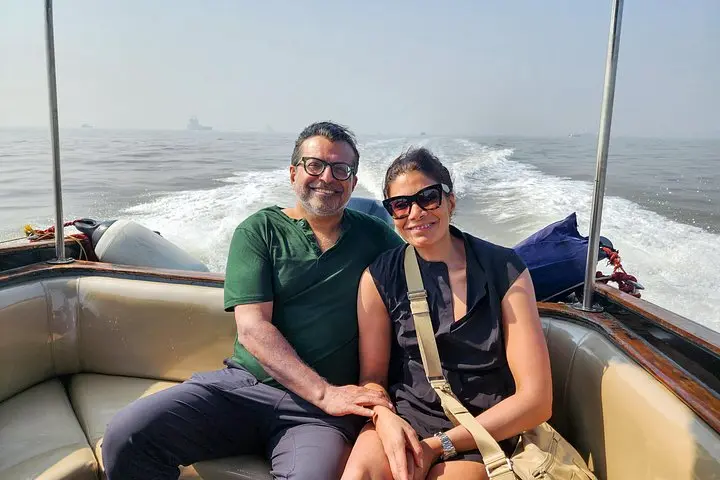
The engine hums beneath your feet as Mumbai’s skyline pulls away, the Arabian Sea spreading a bright, restless sheet around the hull. In twenty minutes the island appears—jagged basalt cliffs rising from the water, palm trees leaning into the breeze—and you step ashore into a place where stone speaks.
The engine hums beneath your feet as Mumbai’s skyline pulls away, the Arabian Sea spreading a bright, restless sheet around the hull. In twenty minutes the island appears—jagged basalt cliffs rising from the water, palm trees leaning into the breeze—and you step ashore into a place where stone speaks.
Carved from volcanic basalt between the 5th and 8th centuries, the Elephanta Caves preserve large rock-cut temples and high-relief panels dedicated primarily to Shiva. The site sits on Gharapuri (Elephanta Island), a short harbor ride from the Gateway of India; centuries of tides and salt air have smoothed edges and left frescoes and sculptures with a raw, weathered presence. Local guides will connect the sculptures to classical Hindu myth, colonial-era shipping routes, and the island’s changing role from sacred enclave to UNESCO World Heritage Site.
Expect uneven stone steps, open-air platforms with sweeping bay views, and the occasional macaque watching visitors with blunt curiosity. Temperatures and humidity climb in summer and dip pleasantly in winter; the monsoon brings dramatic surf and can close the harbor entirely.
Practical preparation pays: sturdy shoes with grip for basalt steps, sun protection, and a moderate fitness level for walking and inclines. Photography is rewarding but avoid touching the carvings; guides can point out less obvious reliefs and quieter viewpoints. The private speedboat saves time and avoids ferry crowds—ideal for travelers short on schedule who still want a substantive cultural-and-nature outing from Mumbai.